

1. Critical Design Standards for High‑Voltage PCBs
For products exported to European and American markets, high‑voltage PCBs must comply with core international standards to pass testing and certification smoothly:
IEC 60950‑1 / IEC 62477‑1: The core safety standard for power electronic equipment, specifying the minimum clearance and creepage distance for 400V‑800V circuits, which is the basic requirement for CE‑LVD certification.
UL 61800‑5‑1: Mandatory standard for North American market access, focusing on long‑term insulation stability and fire resistance of high‑voltage boards.
RoHS 2.0: Restricts hazardous substances in raw materials, a must‑have certification for electronic circuit board exports.
For 400V industrial PCBs, the most critical parameter is safety distance: the air clearance between high‑voltage traces must be ≥4mm, and the creepage distance must be ≥6mm. High‑quality manufacturers will strictly reserve safety margins in layout to avoid hidden dangers in high‑temperature and high‑humidity working environments.
2. Material Selection for High‑Voltage PCBs
Insulation performance directly determines the reliability of high‑voltage PCBs. We usually recommend:
FR‑4 high‑Tg high‑insulation material: With a heat‑resistant temperature above 130℃, it resists aging and breakdown, suitable for long‑term industrial use.
Thick copper PCB design: For high‑current power modules, 2oz‑4oz thick copper circuit boards are adopted to reduce heating and voltage drop.
Special insulation coating: Conformal coating can improve moisture‑proof and pollution‑proof performance for outdoor and new‑energy equipment scenarios.
3. PCBA One‑Stop Service for Cross‑Border Buyers
Most overseas industrial customers, electronic engineers, and small‑batch project purchasers need not only bare PCBs but also one‑stop PCBA services: component procurement, SMT patch soldering, functional testing, and pre‑delivery compliance inspection.
Professional PCB&PCBA manufacturers can provide:
Fast prototype sampling within 24‑48 hours
Small‑batch customized production support
Complete certification reports: CE, LVD, EMC, RoHS, UL
Technical support for high‑voltage scheme optimization
4. Why Choose Professional High‑Voltage PCB Suppliers
Many small factories lack experience in high‑voltage design and certification matching, which may cause customers to fail overseas customs clearance and testing. Reliable suppliers can pre‑evaluate compliance requirements at the design stage, optimize PCB layout, and avoid rework costs, greatly shortening the product launch cycle for overseas buyers.
Factory Direct Delivery High‑Voltage PCB Design: Key Standards & Compliance Tips for Industrial Applications
- blog
Posted by Hechengda On May 21 2026
Featured Blogs
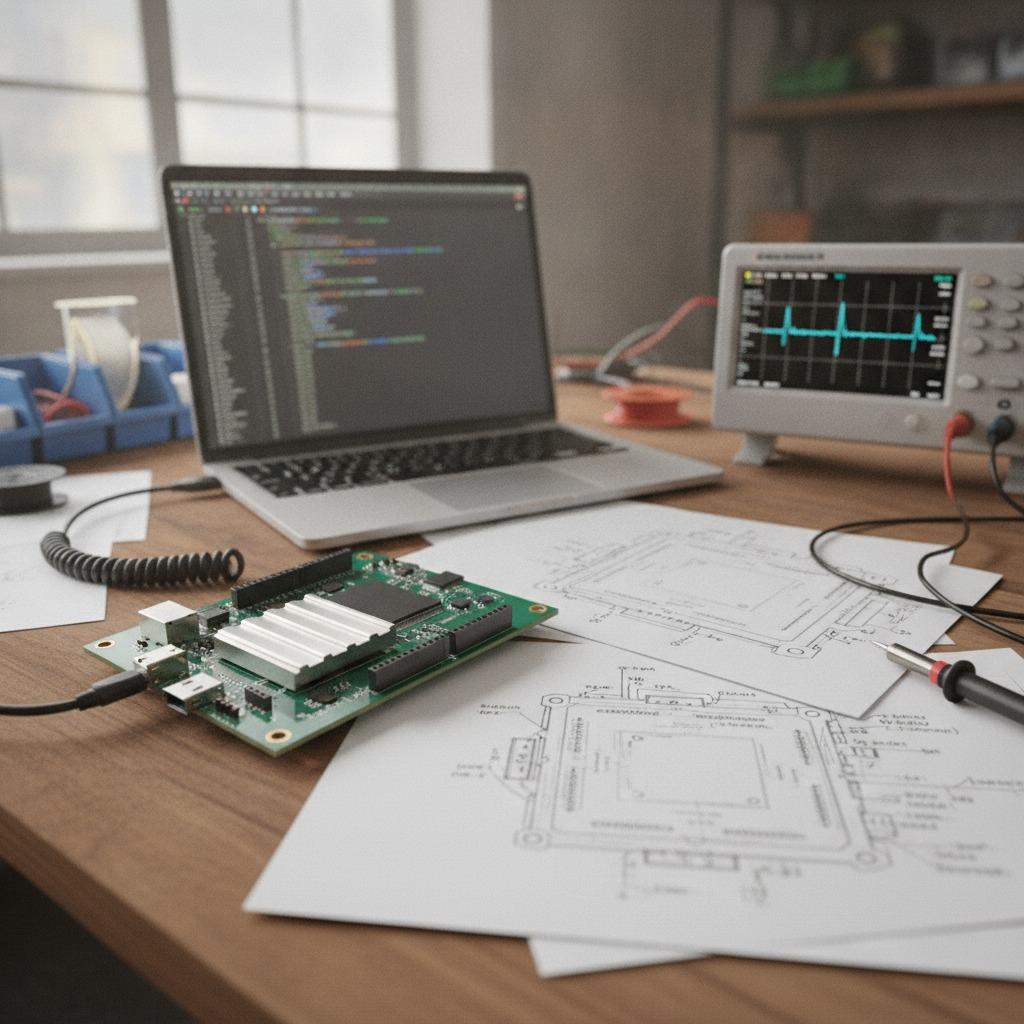
ESP32-S3 Development Board: Choosing the Right Platform for Display Prototypes
1. Why the ESP32-S3 development board matters for product teams 2. What this class of board is good at 3. When a display board is the better choice 4. Selection criteria that save time later 5. Common mistakes teams make with display-focused prototypes 6. How hcdpcba fits into the development path 7. Practical buyer advice before you place the order 8. FAQ 9. Next step
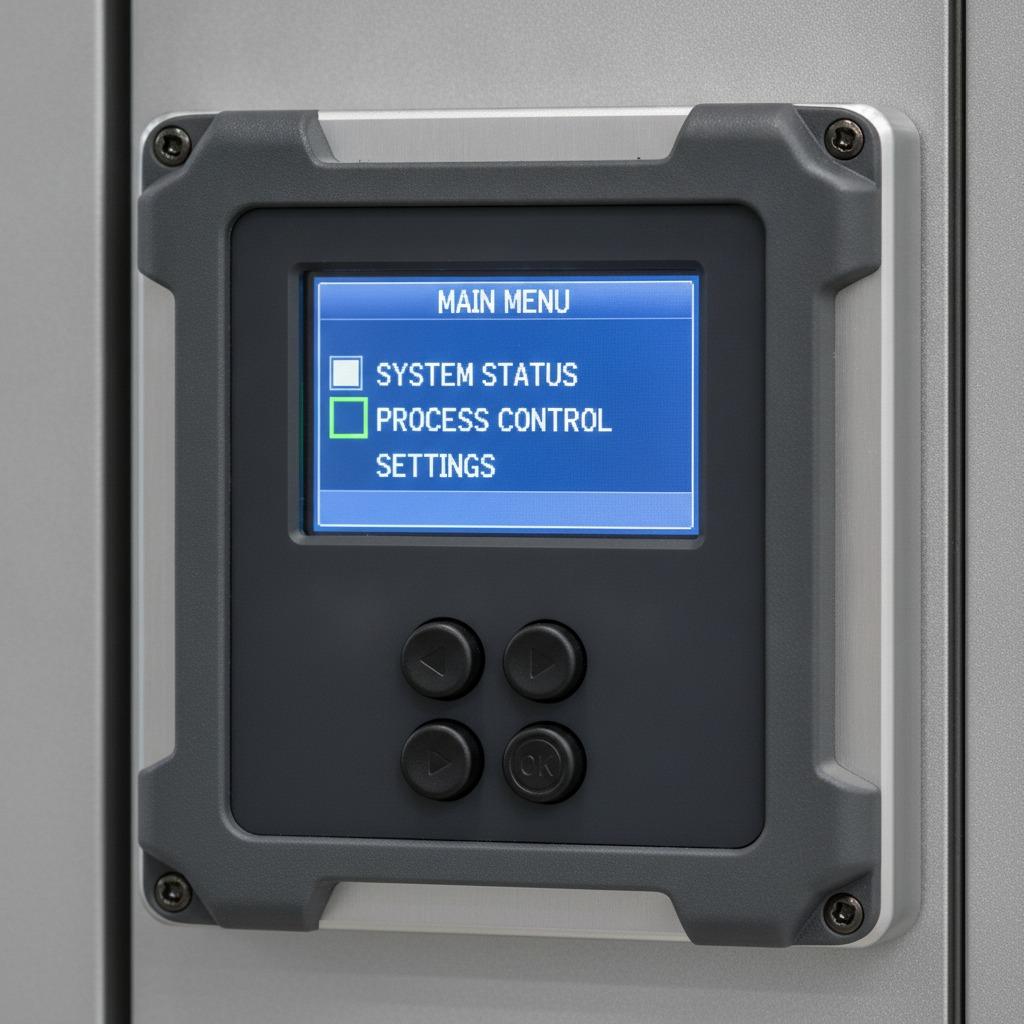
How to Select a 2.8 Inch TFT LCD for Embedded Equipment
1. Why the Display Decision Matters 2. Quick Selection Guide 3. Key Technical Factors 4. Power Design for Portable Products 5. Manufacturing and Integration Questions 6. Common Buyer Mistakes 7. Buyer FAQ 8. Next Step
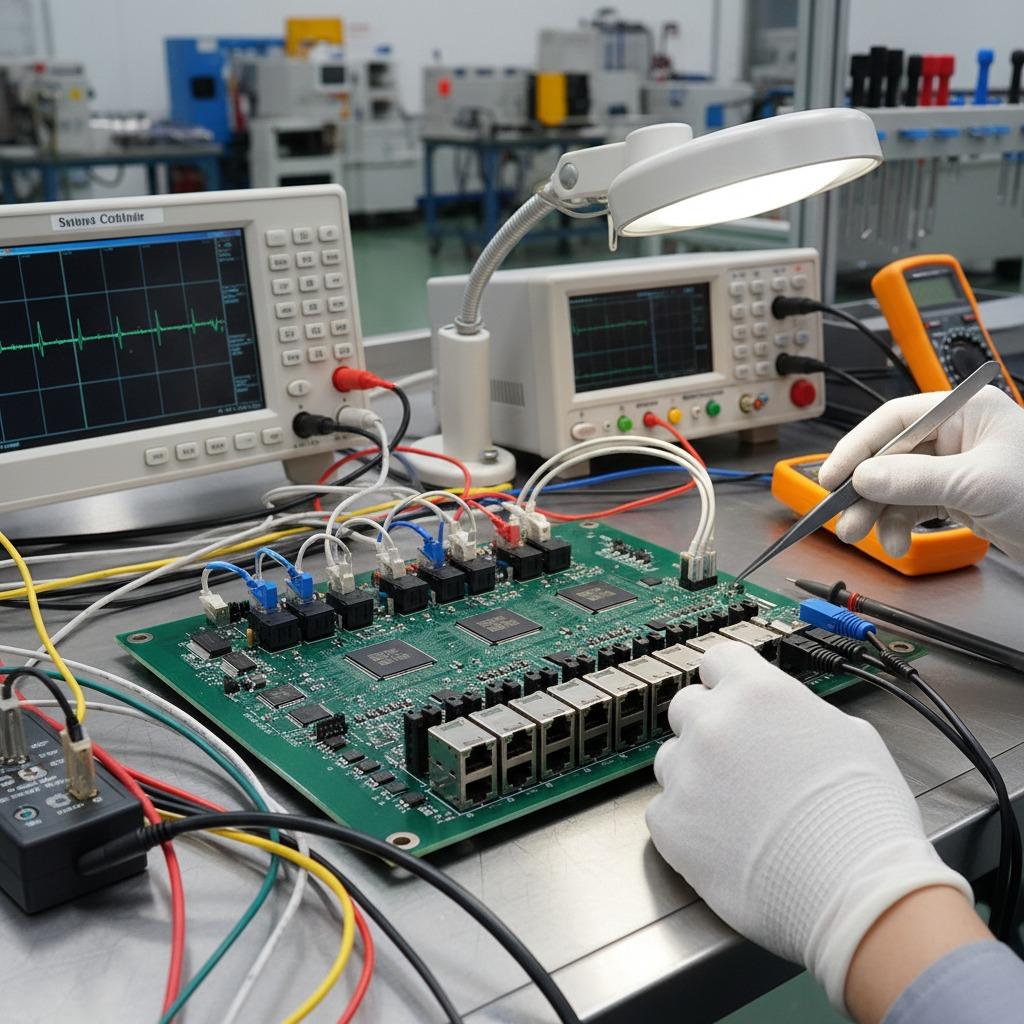
How to Evaluate a Multi-port RJ45 CCU Controller Board
1. How to Evaluate a Multi-port RJ45 CCU Controller Board 2. Quick Reference: What Matters Most 3. Understanding the Board’s Role in an Industrial System 4. Key Design Areas 5. What to Request From a Manufacturing Partner 6. Common Purchasing Mistakes 7. FAQ 8. Next Step for Buyers
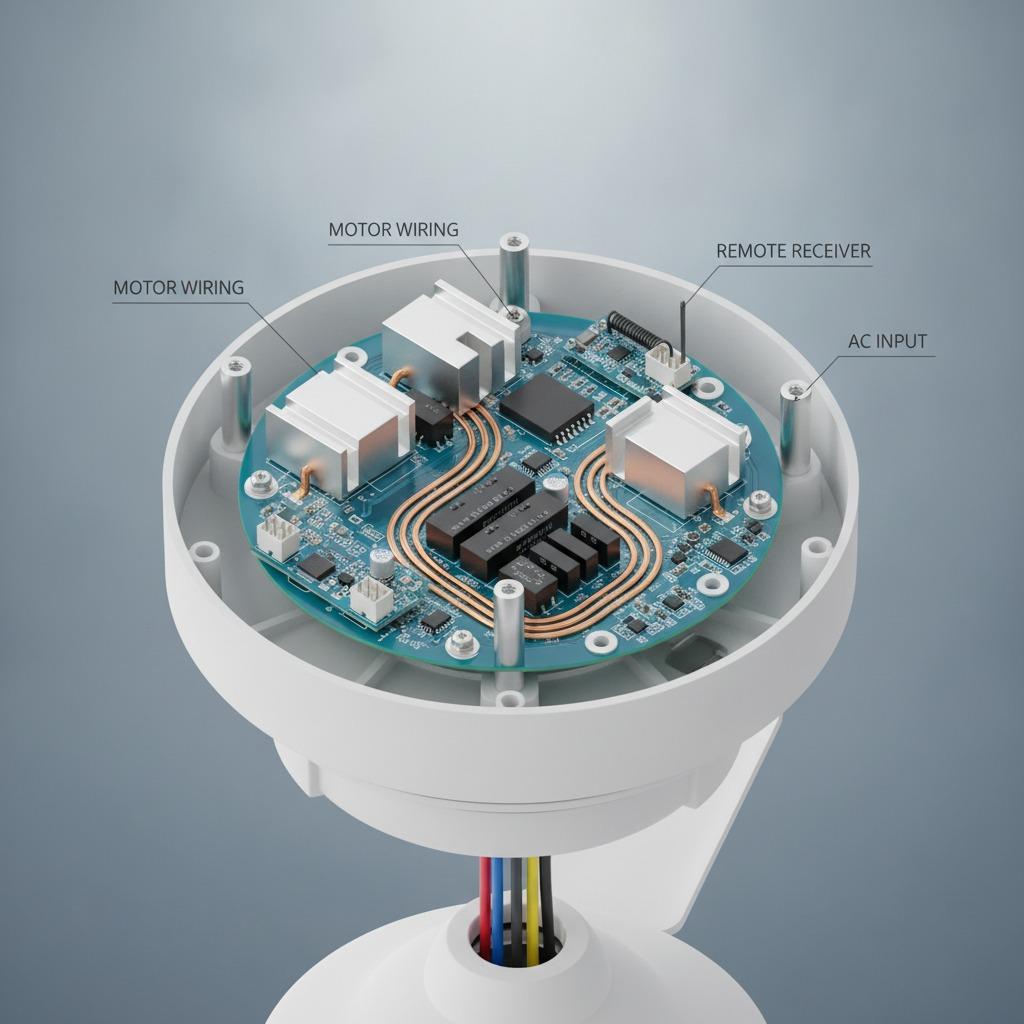
BLDC Ceiling Fan PCB: What Buyers and Engineers Should Know
1. What a BLDC ceiling fan PCB is really responsible for 2. Why this board matters to product decisions 3. Quick comparison: what buyers usually evaluate 4. Key design points for a BLDC fan driver PCB 5. Common mistakes in fan PCB sourcing 6. What to ask before placing a build order 7. Practical buyer advice 8. Next step for engineering and sourcing teams
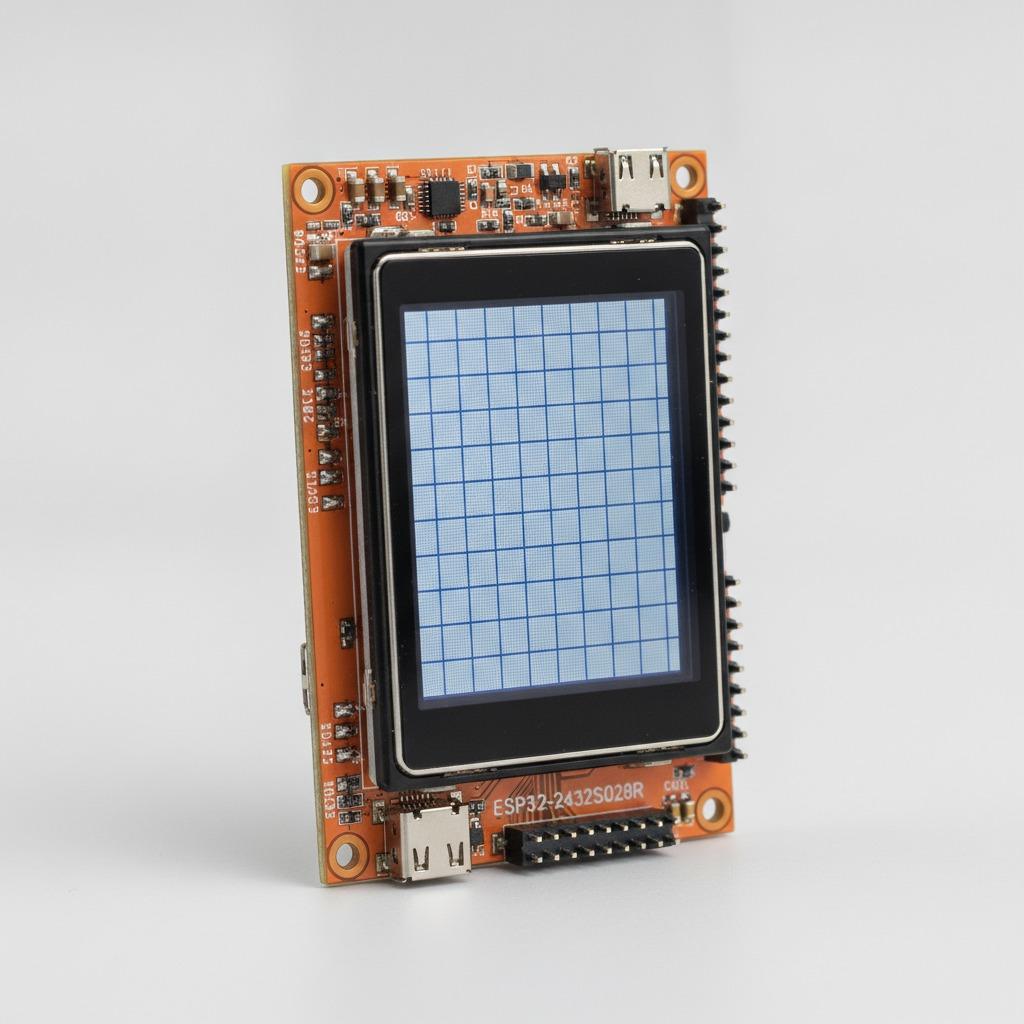
ESP32-2432S028R Resistive Touch TFT Board: Buyer Guide
1. What is visible on the board 2. Why this type of module is popular in embedded products 3. Quick buyer comparison: when this format fits and when it does not 4. Resistive touch versus other input methods 5. Manufacturing and assembly considerations 6. Common mistakes buyers make 7. Practical selection advice for engineers and sourcing teams 8. What to do next
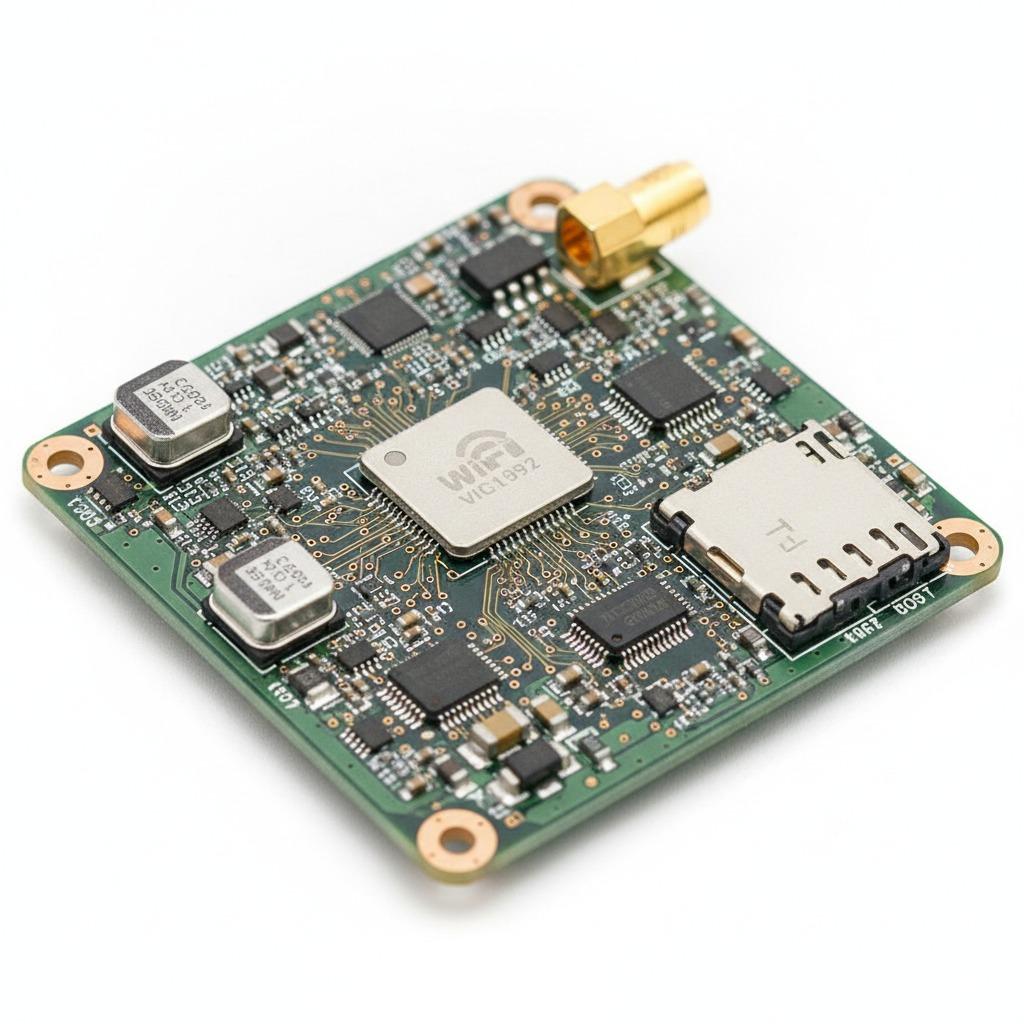
WiFi CCTV Mainboard Guide for Security Camera Design
1. What a WiFi CCTV mainboard has to do that a simple camera board does not 2. Common functions found on modern security camera boards 3. Why board selection affects the final camera product 4. Selection criteria that deserve more attention than usual 5. What manufacturing teams should ask before release 6. Common mistakes in camera board sourcing 7. When a custom PCBA partner makes sense 8. FAQ 9. Next step for buyers and product teams