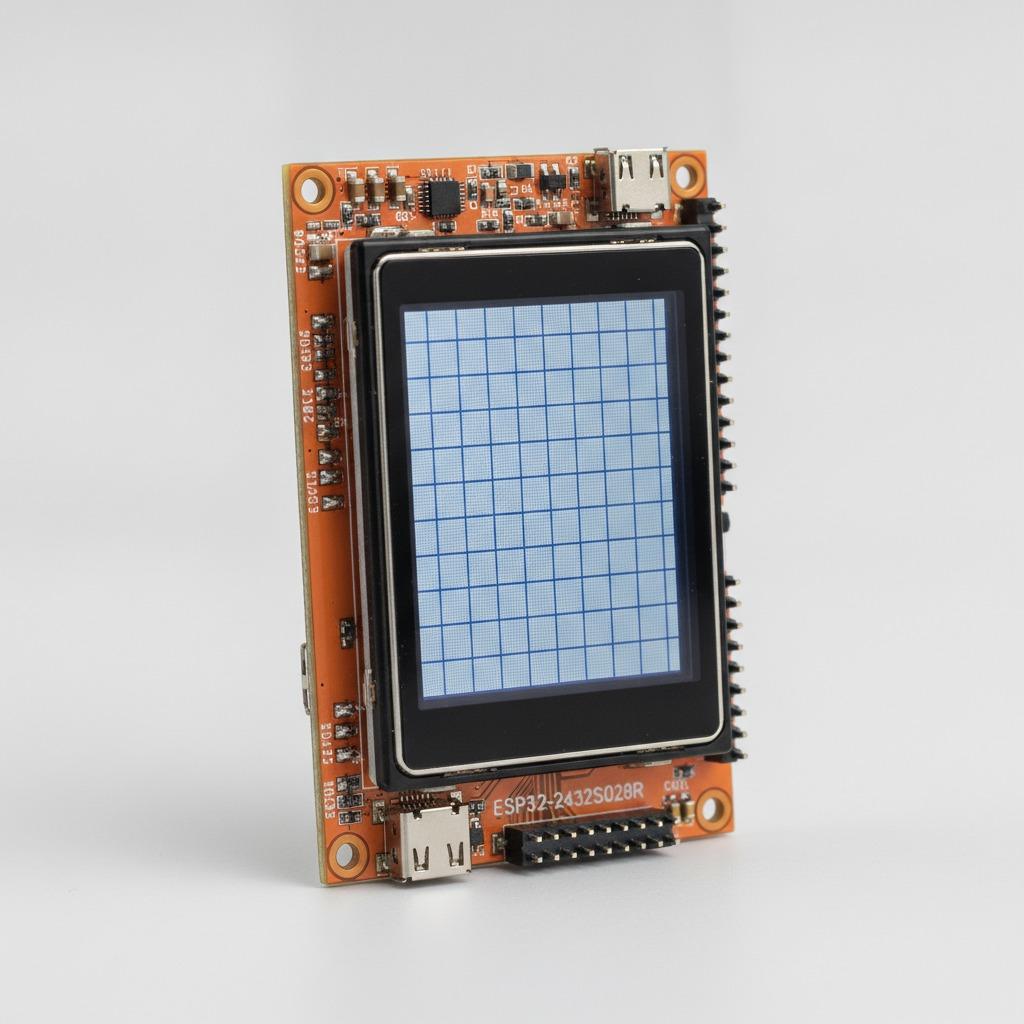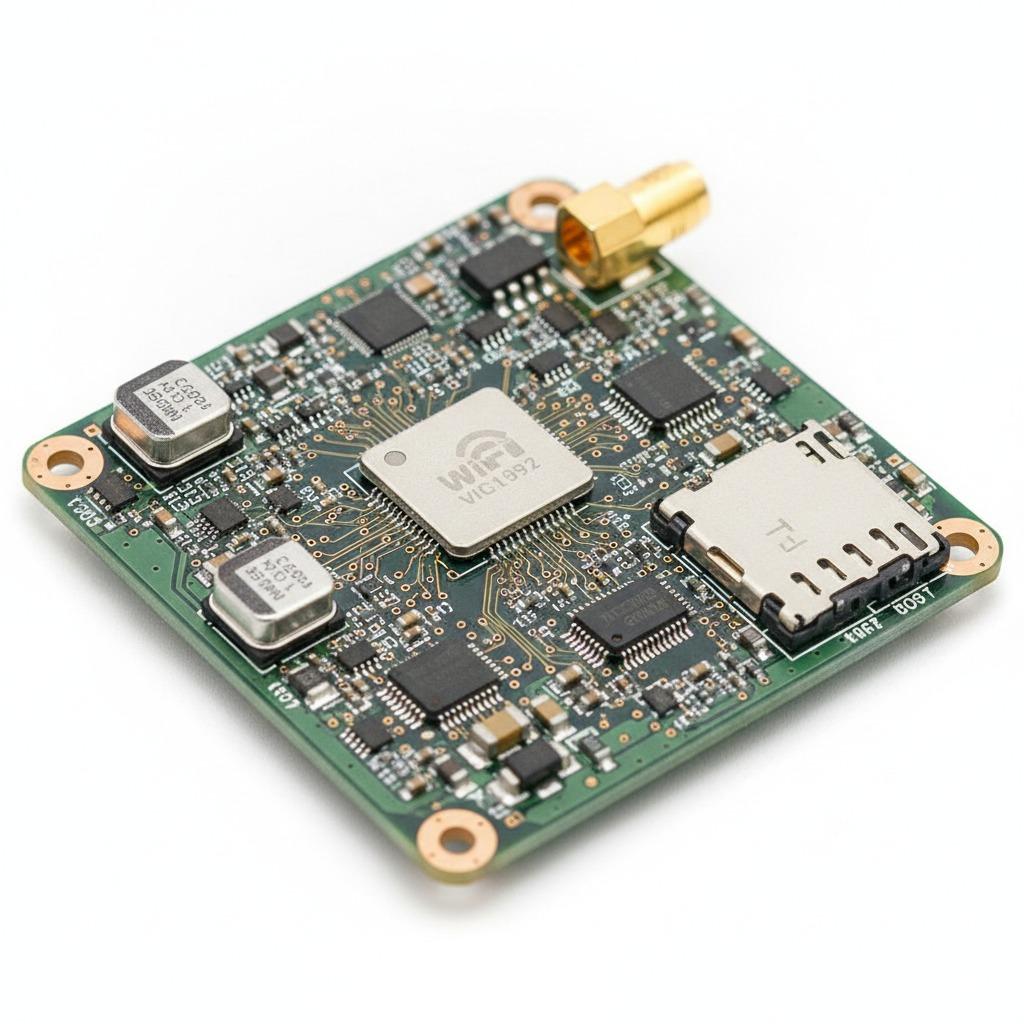
Face Recognition Camera Module Supplier: High-Accuracy Imaging for Biometric Systems
Face recognition devices rely on consistent clarity, stable exposure, and NIR-optimized imaging to analyze facial structures with confidence.
A specialized face recognition camera module supplier builds modules tailored for biometric devices, ensuring the camera captures accurate facial data under varied lighting conditions, angles, and distances.
As biometric authentication expands across access control systems, payment terminals, smart home devices, industrial attendance systems, and AI-powered equipment, the demand for high-reliability imaging modules continues to rise.
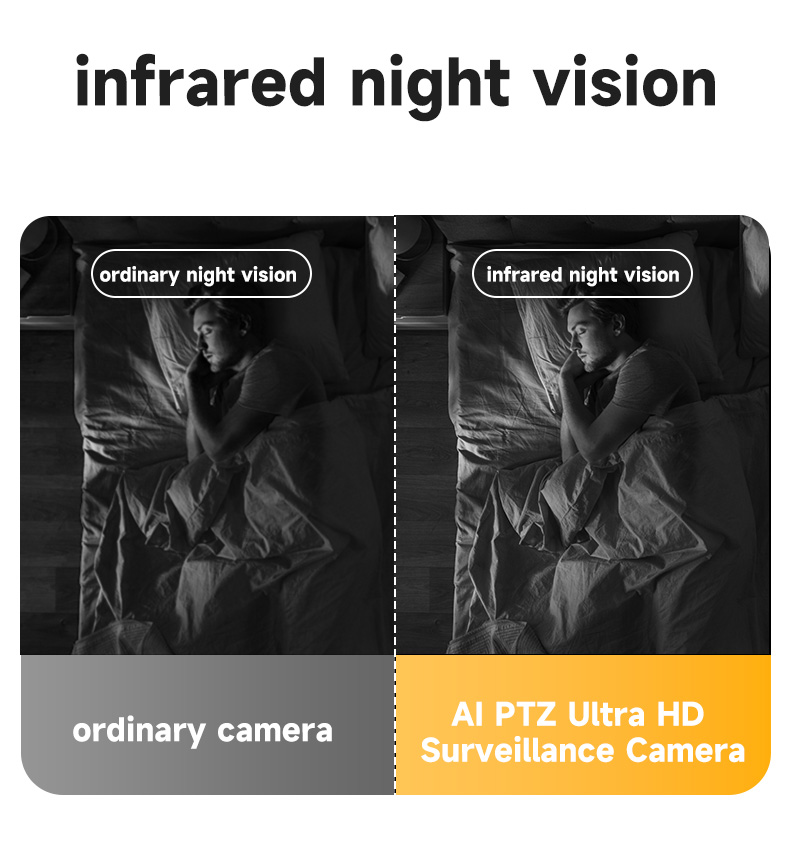
1. Imaging Architecture Designed for Facial Feature Precision
Face recognition is sensitive to small deviations in lighting, distance, and distortion.
To maintain consistent feature data, suppliers use optimized CMOS sensors paired with stable PCBA and tightly controlled optics.
Core imaging characteristics include:
-
NIR-enhanced CMOS sensors (850–940 nm) for consistent face detection
-
Global or rolling shutter options depending on motion requirements
-
High dynamic range (HDR) to avoid overexposure at bright entrances
-
High SNR (Signal-to-Noise Ratio) for clean data in dim rooms
-
ISP noise suppression and skin-tone optimization
These elements deliver the consistent facial texture and contour data required for facial matching engines.

2. Optics Built for Biometric Consistency
Facial imaging modules must capture uniform and undistorted facial data.
Typical OEM optical features include:
-
Low-distortion lenses preserving facial proportions
-
Wide—but controlled—FOV (65°–90°) allowing full-face capture without warping
-
NIR-corrected lens coatings ensuring accurate results during infrared illumination
-
Glass lens stacks for stability across temperature changes
-
Precise optical alignment for symmetry across the full image frame
Unlike standard camera modules, biometric lenses prioritize proportional accuracy over wide-angle coverage.
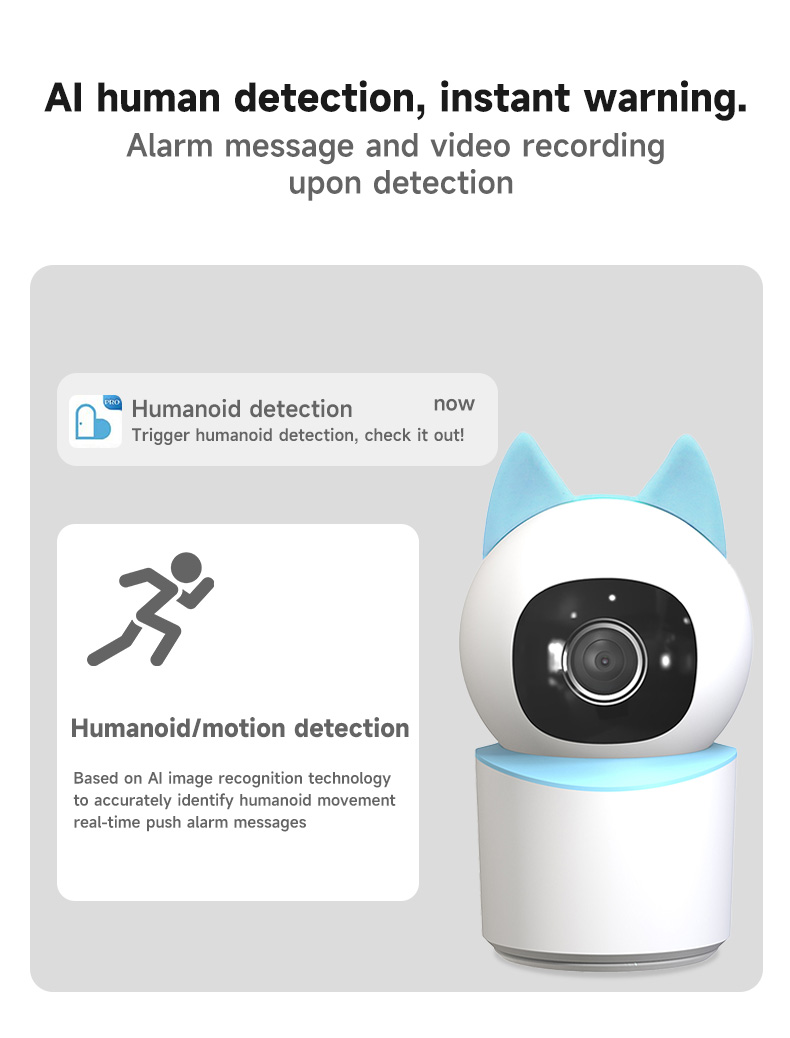
3. NIR Illumination Integration: A Key to Accurate Face Recognition
Modern face recognition devices rely heavily on Near Infrared (NIR) imaging.
A proper NIR-supported module ensures:
-
Reliable facial detection in dim environments
-
Resistance to environmental light variations
-
Consistent highlight and shadow patterns
-
Stronger contrast for facial feature extraction
Suppliers coordinate the camera module with IR LED systems to achieve:
-
Uniform IR projection
-
Reduced halo or flare
-
No overexposure at close distances
This synergy between optics and IR illumination determines biometric accuracy.
4. PCBA Architecture for High-Speed Data Processing
Because face recognition devices require quick response times, suppliers design PCBAs optimized for:
-
Low-latency sensor readout over MIPI or parallel interfaces
-
Stable power regulation for consistent exposure and NIR response
-
EMI protection for environments with heavy RF noise (Wi-Fi, Bluetooth, motors)
-
Thermal control layers allowing long-duration operation in kiosks or terminals
A high-quality PCBA ensures that image data remains clean, synchronized, and suitable for real-time AI processing.
5. Algorithm Alignment: Preparing Imaging for AI Recognition Engines
The accuracy of face recognition depends on how well the camera module cooperates with AI processing models.
Suppliers tune modules for:
-
Clear eye, nose, and mouth contour capture
-
Uniform lighting for skin-tone balance
-
Anti-ghosting for fast or moving subjects
-
Color and NIR exposure tuning
-
Noise suppression for indoor low-light scenarios
Modules are validated using facial datasets to ensure compatibility with:
-
AI access control systems
-
Embedded SoCs
-
Cloud-based matching engines
-
Hybrid recognition models
The goal is consistent feature vector extraction — the foundation of biometric accuracy.
6. Reliability and Certification for Biometric Deployments
Face recognition hardware often operates in public or commercial installations.
A supplier must guarantee stability, safety, and consistent imaging performance.
| Test Type | Purpose | Typical Requirement |
|---|---|---|
| HDR exposure test | Ensures clarity in entrance/exit areas | ≥ 100 dB WDR/HDR |
| NIR sensitivity test | Evaluates performance with 850–940 nm light | Pass/fail by range |
| Aging test | Confirms 24/7 operational stability | 72–120 hours |
| Thermal test | Validates stability under kiosk conditions | -20°C to +70°C |
| Distortion profile test | Ensures accurate facial geometry | <1.5% distortion |
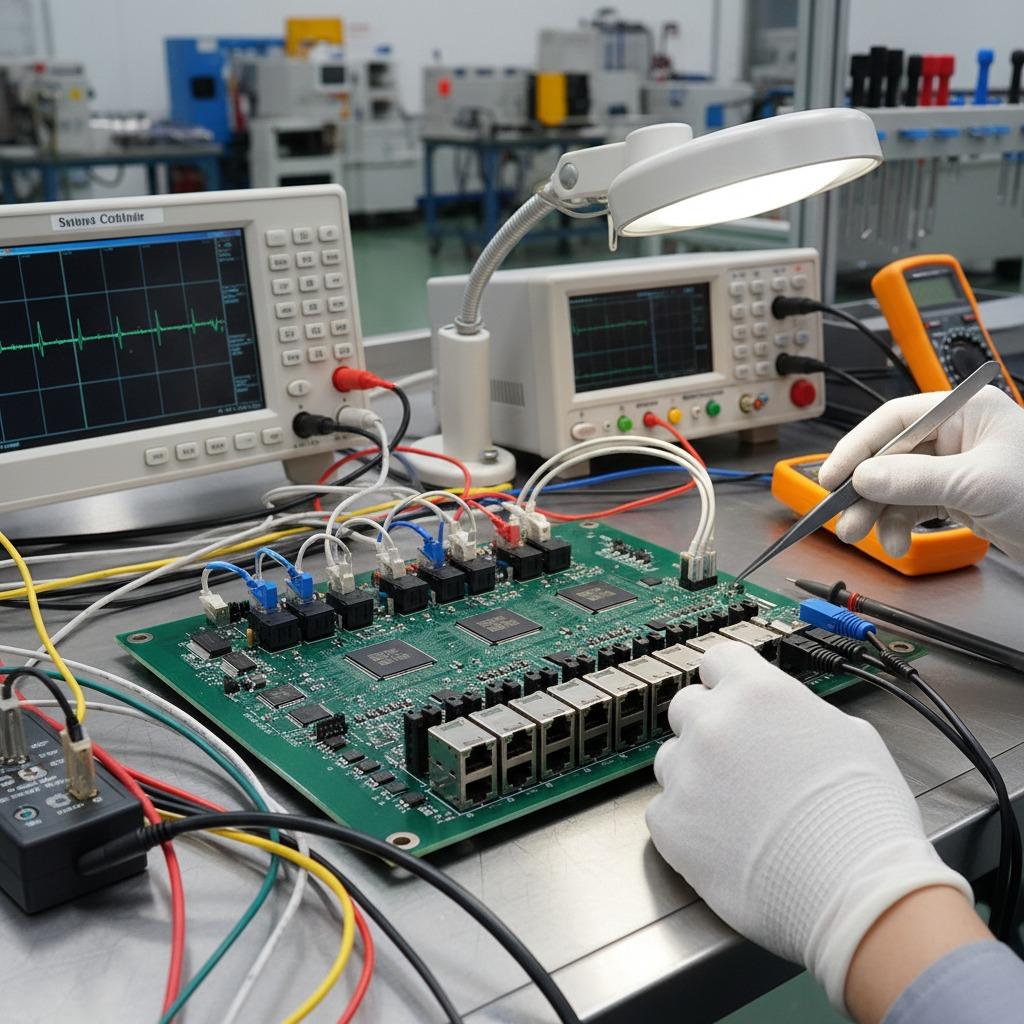
| EMI/ESD testing | Required for commercial safety compliance | IEC 61000 level |
Such strict testing ensures the module remains accurate and stable throughout its deployment lifecycle.
7. Key Advantages of Working With a Professional Face Recognition Camera Module Supplier
A high-quality supplier provides:
-
NIR-ready imaging modules optimized for biometric authentication
-
Custom FOV, lens stack, and PCBA layout for different terminal sizes
-
Tight production tolerance ensuring consistency across batches
-
OEM/ODM services for enclosure, connector, and firmware requirements
-
Support for global recognition standards and application scenarios
This combination enables device makers to reduce integration challenges and accelerate product development cycles.
Accurate Recognition Starts With Reliable Imaging
A facial recognition system is only as accurate as the images it collects.
A professional face recognition camera module supplier ensures that every capture — from indoor access control terminals to outdoor authentication systems — is clear, well-exposed, and algorithm-ready.
For OEM or custom face recognition modules tailored to your device design, visit www.hcdpcba.com or contact us through the official inquiry page for professional recommendations.