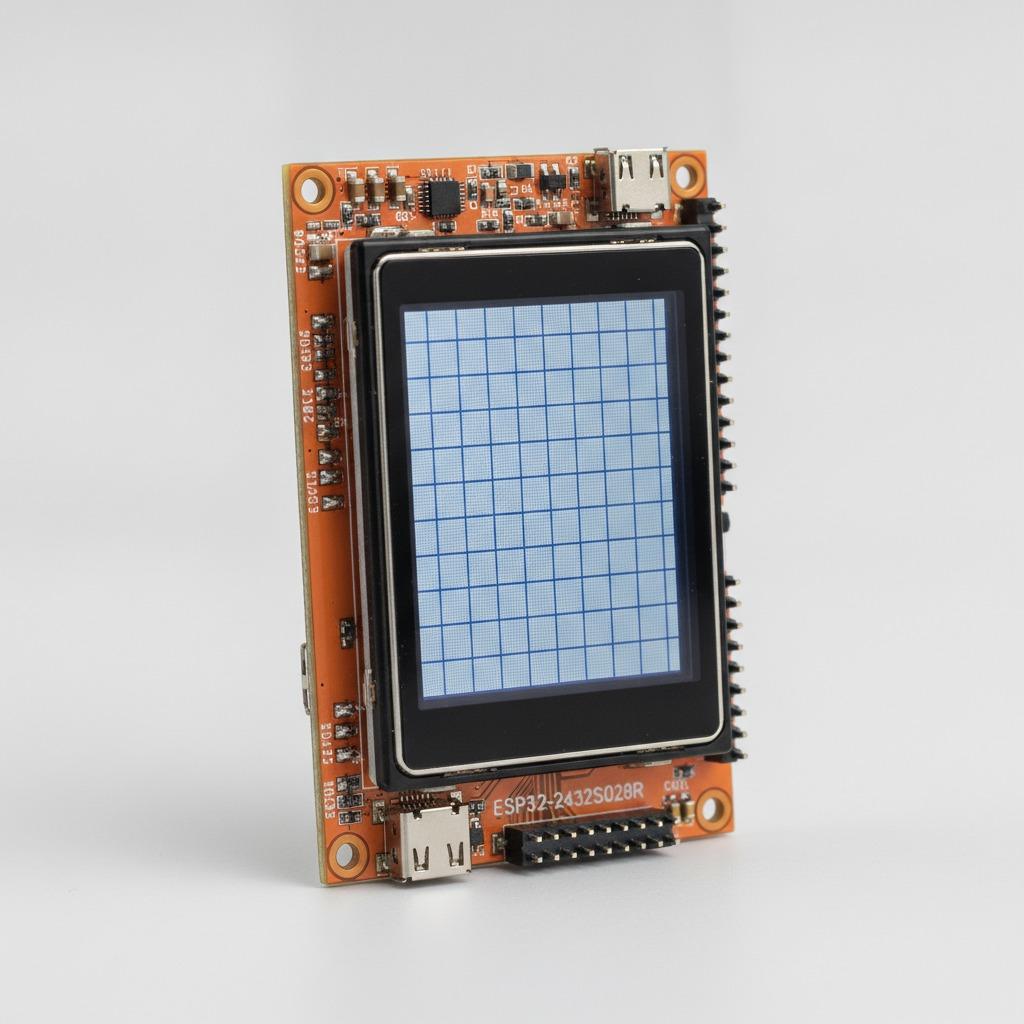
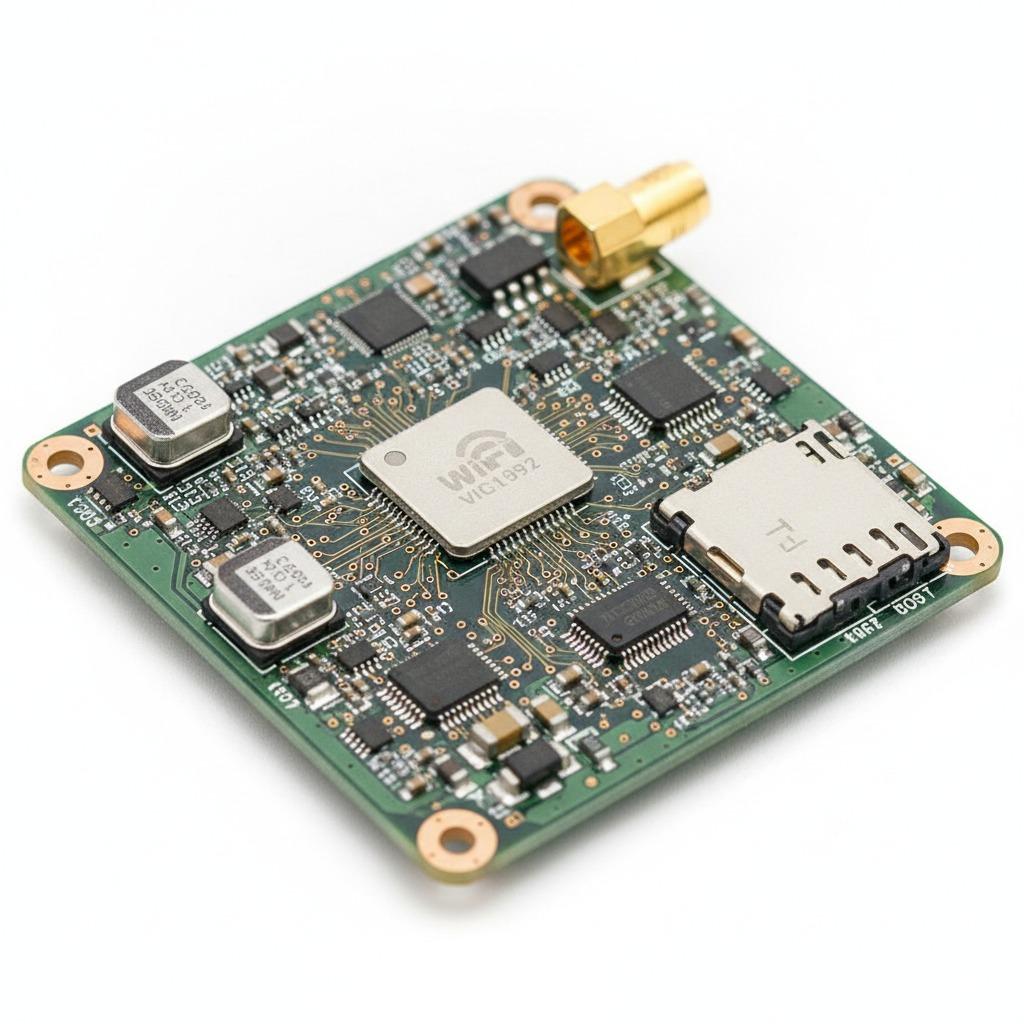
Why energy storage boards deserve more design attention than they usually get
An Energy Storage PCB is not just another board tucked behind a battery pack. In a storage system, the PCB becomes part of the decision-making layer: it routes power, reads signals, protects the pack, and helps the whole assembly behave in a controlled way when charge, discharge, heat, or load conditions change. For engineers and sourcing teams, that makes the choice of an Storage Controller PCB or Energy Storage Circuit Board less of a commodity purchase and more of a reliability decision.
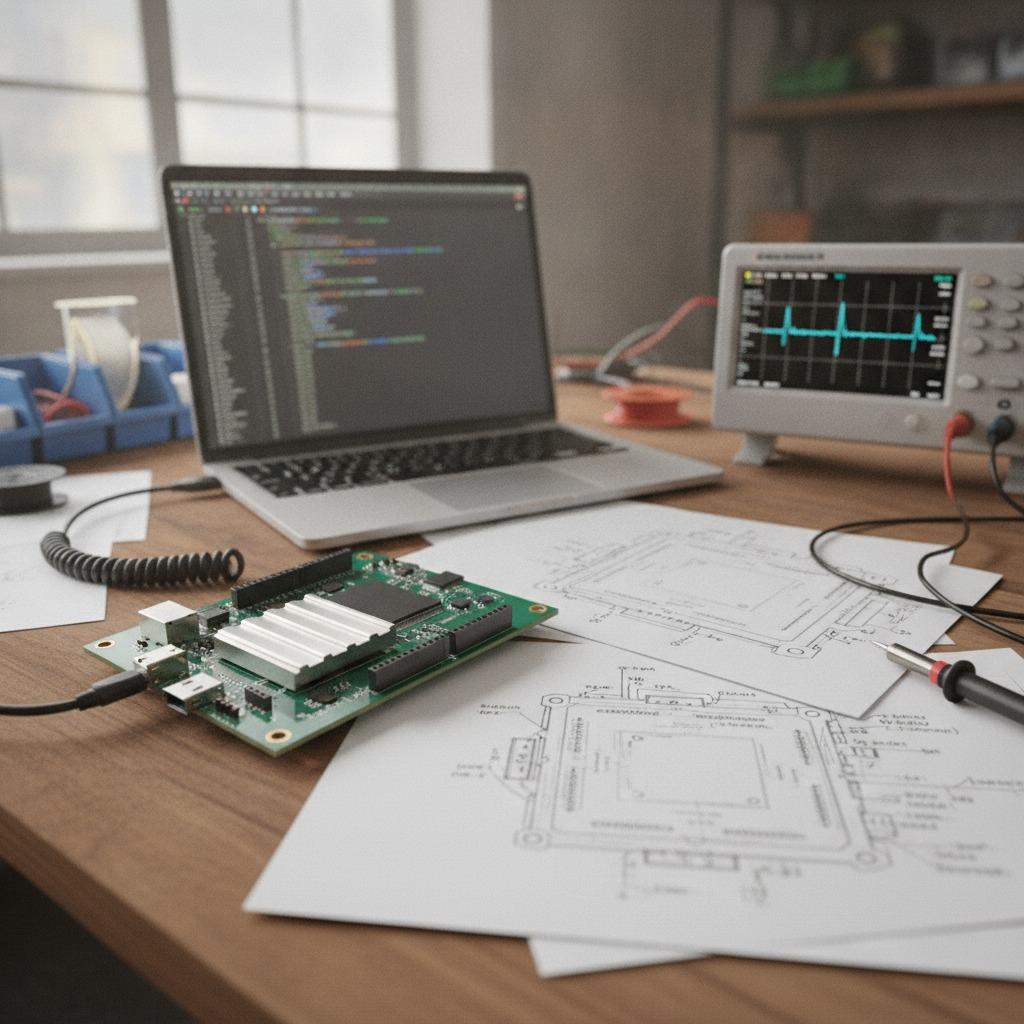
That matters because energy storage hardware tends to sit in places where failure is inconvenient at best and expensive at worst. Solar cabinets, industrial backup systems, and battery modules all ask for stable operation over long service life. A board that looks simple on paper can still create field headaches if its layout, assembly quality, or test coverage is weak. The first job is not to make it fancy. It is to make it robust, inspectable, and appropriate for the enclosure, current path, and control logic it must live with.
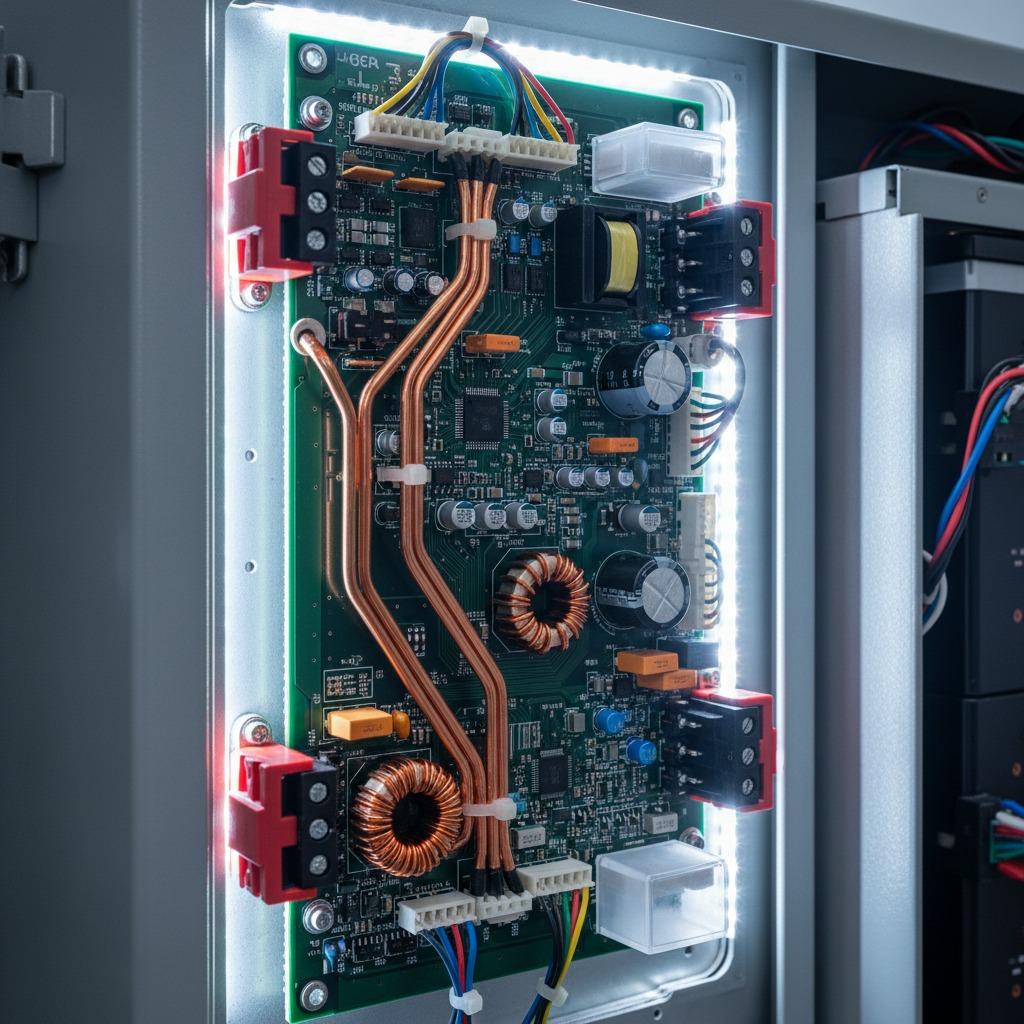
What this board typically does inside a storage system
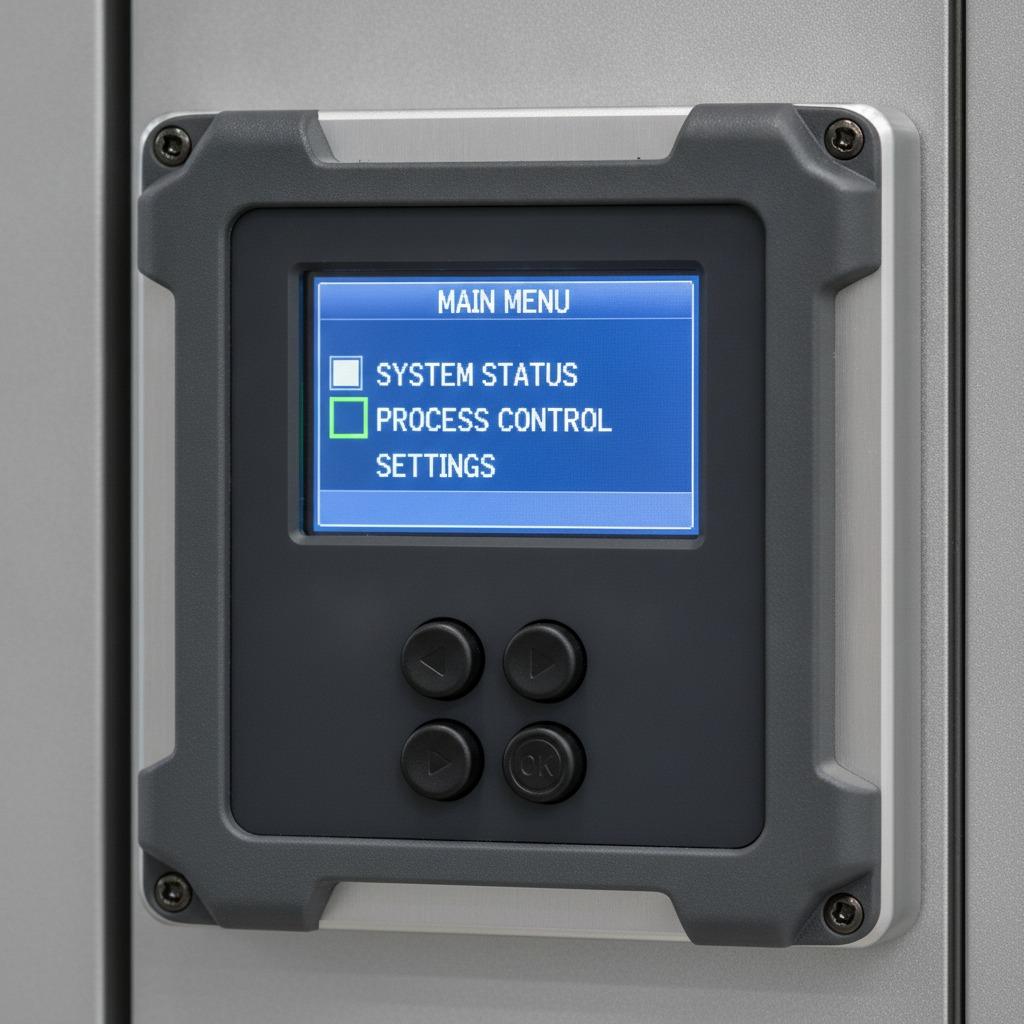
In practical terms, the board may handle sensing, control coordination, communication, or power distribution. Depending on the architecture, it can also support the battery management function, interface with external controls, or act as part of a supervisory layer for charging and discharging. In some designs, the board sits close to the battery pack and needs to tolerate electrical noise, thermal buildup, and cramped mechanical conditions. In others, it is part of a larger control stack and must integrate cleanly with an industrial controller.
That is why terms like Battery Management PCB and Industrial Control PCB often overlap in buyer discussions. The exact function varies, but the design priorities are similar: signal integrity, stable power handling, thermal awareness, and assembly consistency. If the system is solar-linked, a Solar Storage PCB may also need to support charging behavior that is less predictable than a standard bench supply. Solar input swings, seasonal usage patterns, and remote deployment all add stress.
Quick comparison: what buyers should look at first
Before comparing quotes, buyers usually benefit from a short checklist rather than a long spec sheet duel. The most useful questions are often plain ones: What voltage and current conditions will the board face? How dense is the layout? Will it use multilayer construction? Does it need HDI features, high-frequency sections, or mixed-signal routing? Is the assembly destined for a small pilot run or a larger production line?
For many programs, a Custom PCB Board makes more sense than forcing a near-fit standard design into a storage enclosure. That is especially true when mechanical space is tight or when the control logic must match a proprietary battery architecture. A custom approach also gives designers more room to separate noisy power paths from sensitive sensing circuits, which can save a lot of quiet troubleshooting later.
Design and manufacturing details that affect real-world performance
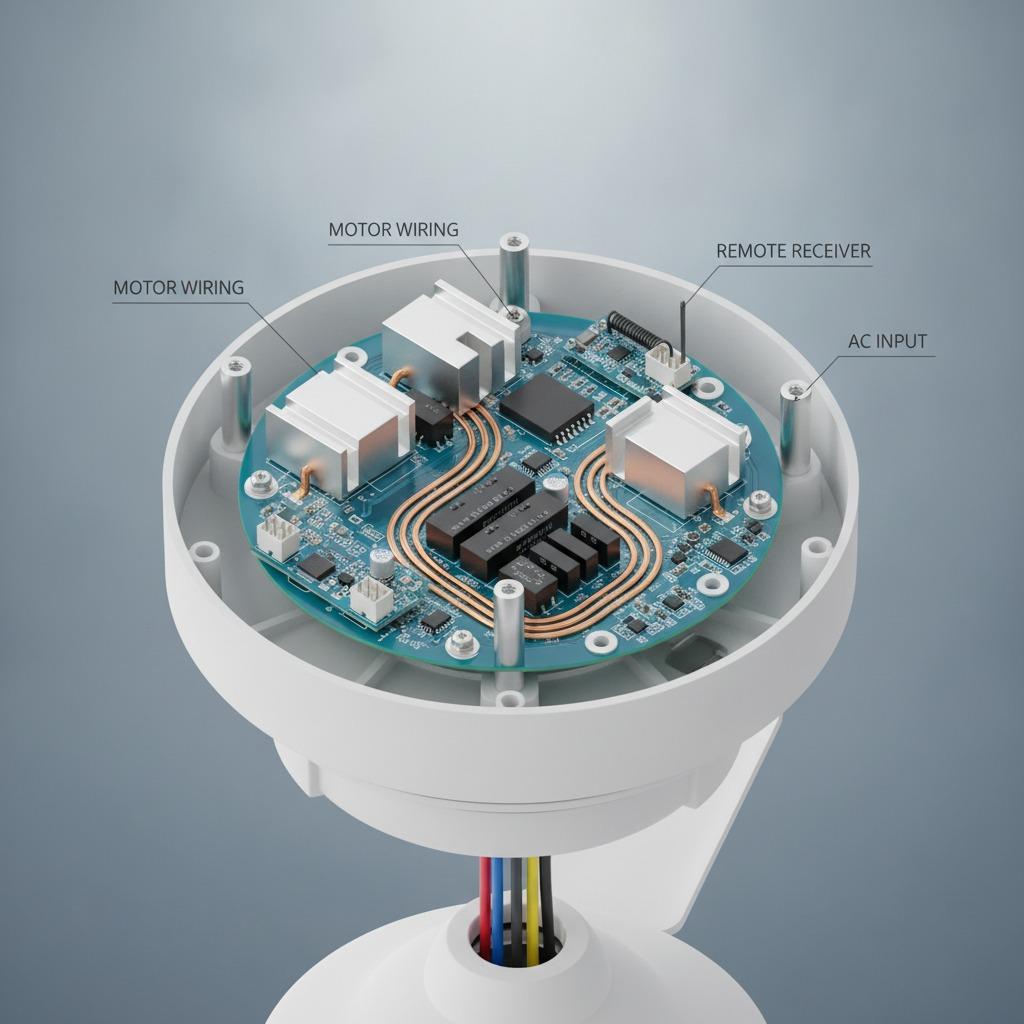
Storage boards often benefit from careful multilayer planning. Even when the function seems straightforward, the board may carry power traces, monitoring lines, communication paths, and protection circuitry in one compact footprint. Dense routing increases the risk of heat concentration and coupling between traces, so board stack-up and component placement deserve attention early, not after prototype failure.
hcdpcba’s capability set is relevant here because the company supports PCB prototyping, SMT assembly, and PCBA production for multilayer boards, HDI boards, and high-frequency boards. That mix fits the kind of storage-control work where layout complexity and assembly discipline matter together. The company also offers component sourcing, assembly, testing, and DFMA support, which can help reduce the usual back-and-forth between design intent and manufacturability. That last piece is worth saying plainly: a board can look elegant in CAD and still be awkward to assemble, rework, or test on the factory floor.
Where DFMA helps more than buyers expect
DFMA reviews are often treated as a formality, but in energy storage hardware they can expose very practical issues: connector placement that blocks probe access, component spacing that complicates reflow, or a thermal-sensitive part sitting too close to a power component. These are not glamorous problems, but they are the ones that slow programs down. A good manufacturing review can catch them before the first build becomes an expensive lesson.
Common mistakes in energy storage board sourcing
One frequent mistake is assuming that all control boards in battery-related systems are interchangeable. They are not. Different storage chemistries, enclosure designs, and operating environments can change everything from trace width to test strategy. Another mistake is underestimating how much the assembly process affects final reliability. SMT placement quality, solder joint consistency, and inspection discipline can matter as much as the circuit idea itself.
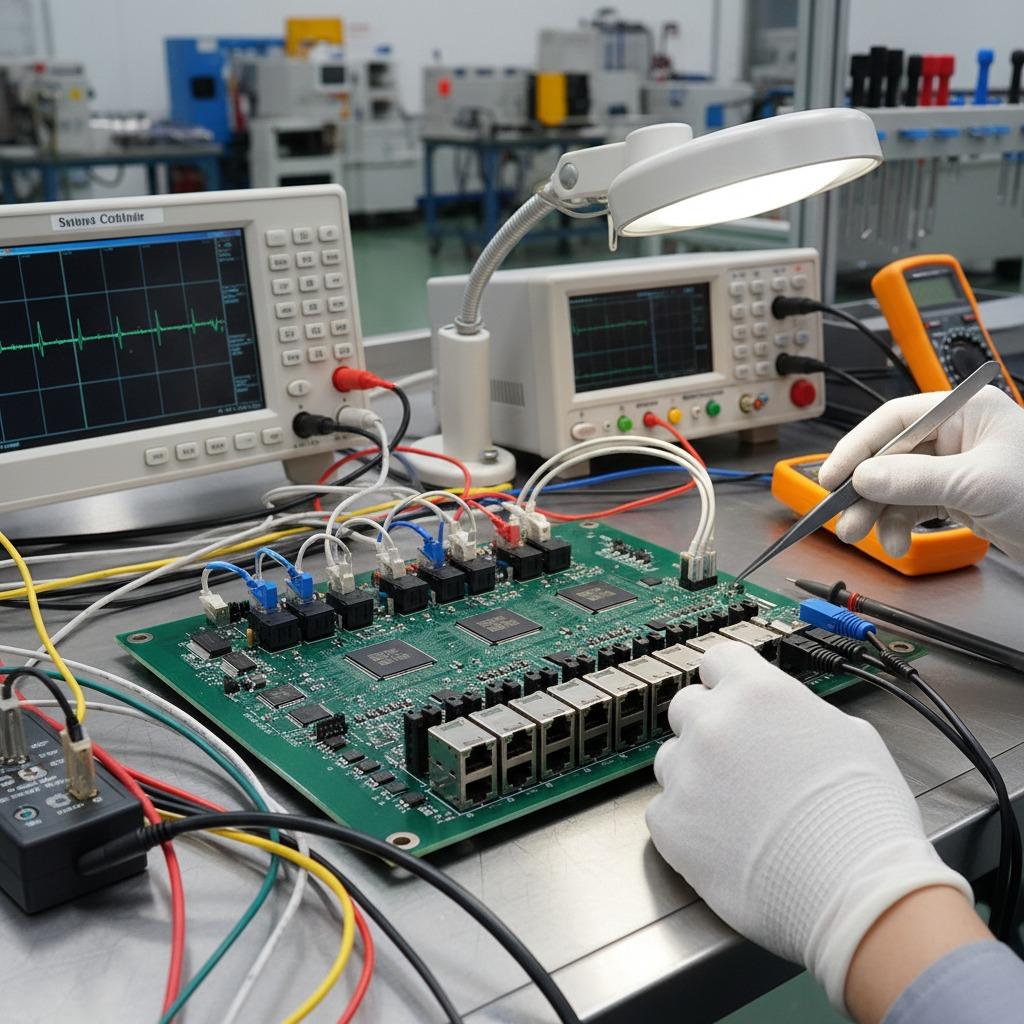
A third problem is skipping test planning until late in the project. For storage hardware, test should not be an afterthought. If the board is meant for industrial or energy applications, the buyer should think about how it will be validated in production and what failures need to be screened out. Even a well-designed board can become a weak point if the test points are hard to access or the acceptance criteria are vague.
Buyer advice: how to narrow the supplier field
When sourcing an Energy Storage Circuit Board, ask for evidence of process discipline, not just promises. Look for a supplier that can handle prototype builds and scale-up without changing the communication style halfway through the project. For teams in a hurry, rapid quoting matters, but it should not replace engineering review. A supplier that can support OEM or ODM work is often useful when the project needs more than bare fabrication.
hcdpcba’s service mix is worth noting for buyers who want fewer handoffs. PCB prototyping, SMT贴片, component sourcing, assembly, testing, and OEM/ODM support can be combined into one flow. The company also mentions fast response, strict quality control, cost optimization, and confidentiality measures. Those are broad claims, of course, but they align with what many sourcing managers want from a manufacturing partner: fewer surprises, clearer communication, and a process that does not fall apart when the schedule gets tight.
FAQ: a few questions that come up repeatedly
Is an Energy Storage PCB always the same as a battery management board?
Not always. The board may include battery management functions, but it can also handle control, communication, or power distribution depending on the system architecture.
Do solar-linked systems need special attention?
Usually yes. A Solar Storage PCB may face fluctuating input conditions and longer service expectations, so layout and protection strategy matter.
What is the safest way to start a new project?
Begin with the electrical requirements, mechanical constraints, and test plan. Then review manufacturability before freezing the design.
What to do next
If your project involves a Storage Controller PCB or a custom board for energy storage, the smartest next step is a manufacturing review before the design is locked. That is where problems are cheapest to fix. For teams that need prototype support, SMT assembly, component sourcing, testing, and DFMA input in one place, hcdpcba can be a practical starting point for discussion. The phone contact provided is +86 18924624188.