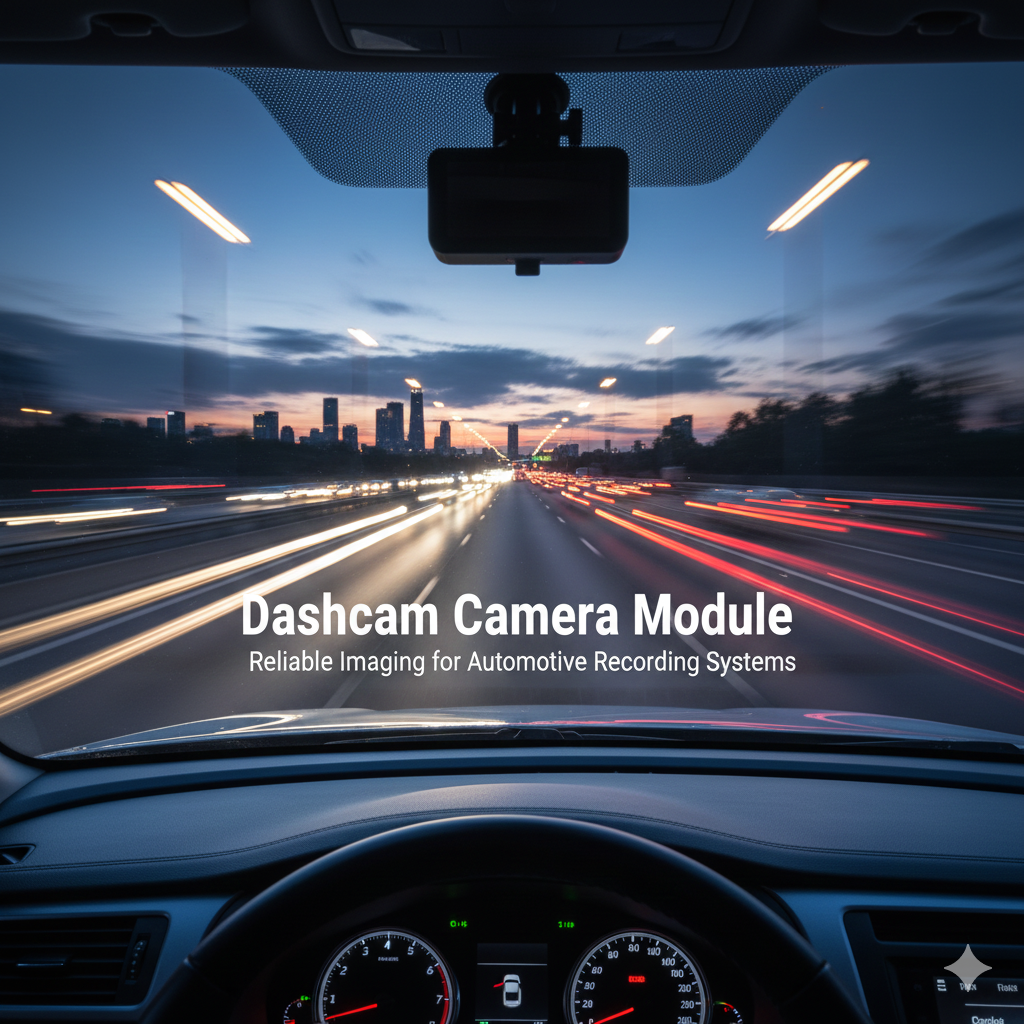
Dashcam Camera Module: Reliable Imaging for Automotive Recording Systems
A dashcam depends on a camera module that can record clearly at any moment — under bright sunlight, at night, during fast motion, or through sudden vibration. Unlike typical consumer cameras, automotive modules must withstand heat, cold, continuous power cycles, and bumpy roads while still producing stable footage.
A purpose-built dashcam camera module combines specialized optics, automotive-grade PCBA design, and robust ISP tuning to handle these unpredictable conditions. This ensures reliable performance in both personal vehicles and commercial fleets.
1. Imaging Architecture Tailored for Automotive Conditions
Dashcam modules are designed for scenarios where lighting and motion change instantly.
Key imaging characteristics include:
-
Wide Dynamic Range (WDR / HDR) to balance bright skies and dark interiors
-
High-sensitivity CMOS sensors to maintain clarity during nighttime driving
-
Fast exposure adaptation for tunnels and highway lighting
-
Low noise levels to stabilize footage under dim roadside illumination
-
High frame rates (30–60 fps) for smooth motion capture
Combined, these features ensure that license plates, road markings, and vehicles remain identifiable in both day and night conditions.
2. Optics Built for Durability and Outdoor Lighting
Dashcam optics must remain stable even after thousands of hours of vibration and temperature fluctuation.
A typical dashcam optical system includes:
-
Glass lens elements offering better heat resistance
-
Wide aperture (F1.6–F2.0) improving low-light performance
-
120°–170° Field of View for full-lane coverage
-
Anti-glare coatings reducing reflections from streetlights and headlights
-
IR-cut filters for accurate daytime color
These lenses maintain clarity even when exposed to direct sunlight, rapid heating from cabin temperatures, or cold morning starts.
3. Automotive-Grade PCBA Supporting Continuous Recording
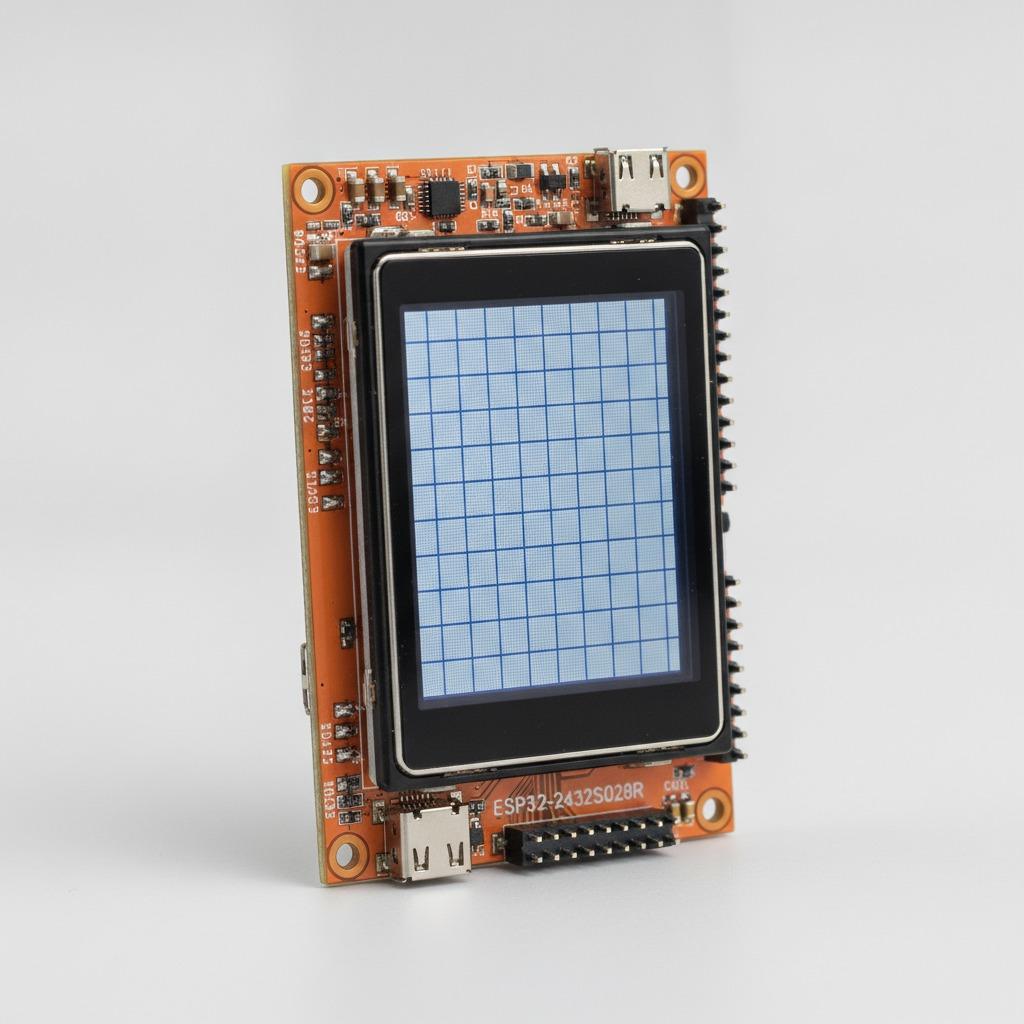
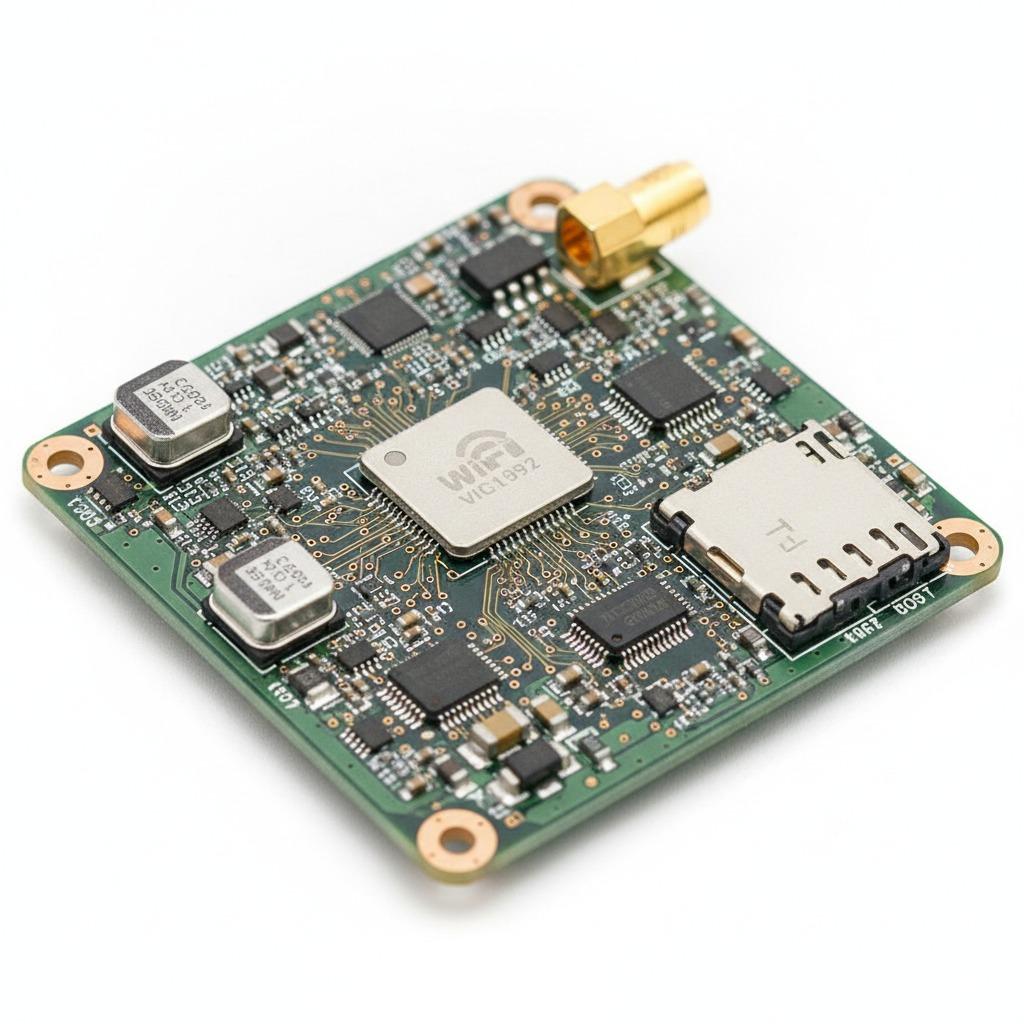
The camera module’s PCBA is engineered for electrical stability and resistance to automotive noise.
Key PCBA features include:
-
Stable power conditioning to handle vehicle voltage fluctuations
-
High-speed MIPI or DVP routing for clean video transmission
-
Compact EMI shielding against interference from the powertrain and infotainment systems
-
Thermal pathways designed for enclosed dashcam housings
-
Durable SMT soldering suitable for vibration-prone environments
The module must remain functional even under harsh conditions — rapid temperature changes, ignition cycles, or prolonged hours of operation.
4. ISP Tuning for Real-World Driving Footage
Image processing plays a critical role in converting raw sensor data into usable video.
Dashcam-specific ISP optimizations include:
-
WDR blending for scenes with strong contrast
-
Motion-adaptive noise reduction for nighttime road vibrations
-
Highlight control to prevent glare from headlights
-
Color tuning for weather and seasonal changes
-
Sharpness preservation for license plate readability
These adjustments ensure the captured footage remains clear enough for insurers, fleet managers, and drivers.
5. Reliability Testing for Automotive Use Cases
Dashcam modules undergo strict reliability tests to confirm long-term stability in vehicles.
| Test Type | Purpose | Typical Requirements |
|---|---|---|
| Vibration test | Confirm resistance to continuous road shock | Automotive-grade profiles |
| Thermal cycling | Validate cold start and hot cabin performance | -30°C to +85°C |
| Low-light test | Ensure clarity during nighttime driving | <0.01 lux |
| Lens drift test | Verify optical stability | High-temperature exposure |
| Aging test | Confirm performance over long-duration operation | 72–168 hours |
| Humidity tolerance | Prevent fogging or condensation | 60°C / 90% RH |
This testing ensures that the module performs reliably for years in real driving environments.
6. Application Scenarios: More Than Just Dashcams
Dashcam camera modules also support other automotive and mobility applications:
-
Taxi and ride-share fleet cameras
-
Commercial truck and logistics monitoring systems
-
Two-wheeler and e-bike recorders
-
AI-assisted driving behavior analysis cameras
-
Ride-recording solutions for rental vehicles
Each scenario demands consistent imaging quality regardless of weather, lighting, or road conditions.
7. Why Partner With a Professional Dashcam Camera Module Manufacturer
Manufacturers specializing in automotive imaging offer several key advantages:
-
Automotive-grade components and assembly processes
-
Customizable optical setups (FOV, aperture, lens structure)
-
Stable, low-noise PCBA layouts supporting long-duration recording
-
WDR and night vision tuning optimized for road environments
-
Reliable supply chain for large-volume OEM production
These strengths help dashcam brands accelerate product development and maintain consistent quality across batches.
Designed for the Road: Consistent Imaging When It Matters Most
A dashcam camera module must capture the road clearly — whether under midday sun, streetlights, rain, or sudden vibration. High-quality optics, a durable PCBA, and carefully tuned ISP algorithms make this possible.
To explore dashcam modules or discuss automotive imaging designs, visit www.hcdpcba.com or connect with our team through the contact page for tailored recommendations.