Why Cloud Camera OEM Manufacturing Matters More in 2026
The security camera industry is moving beyond traditional video recording systems toward connected smart devices that require reliable hardware, flexible customization, and scalable manufacturing.
A professional cloud camera OEM manufacturer helps security brands, distributors, and technology companies transform product concepts into production-ready camera devices by supporting:
- camera hardware development
- PCB and PCBA manufacturing
- electronic component sourcing
- SMT assembly
- product testing
- prototype production
- mass manufacturing
For companies entering the smart security market, building an internal manufacturing system requires significant investment in:
- engineering teams
- production equipment
- supplier networks
- quality management
- testing infrastructure
Working with an experienced OEM partner allows brands to focus on:
- product positioning
- software platforms
- customer acquisition
- market expansion
while the manufacturing partner manages hardware production and supply-chain execution.
HCDPCBA provides PCB prototyping, PCBA manufacturing, SMT assembly, component sourcing, DFMA, testing, and OEM/ODM support. The company also has a dedicated Camera Series covering camera-related products and electronics applications. (hcdpcba.com)
Who Needs a Cloud Camera OEM Manufacturer?
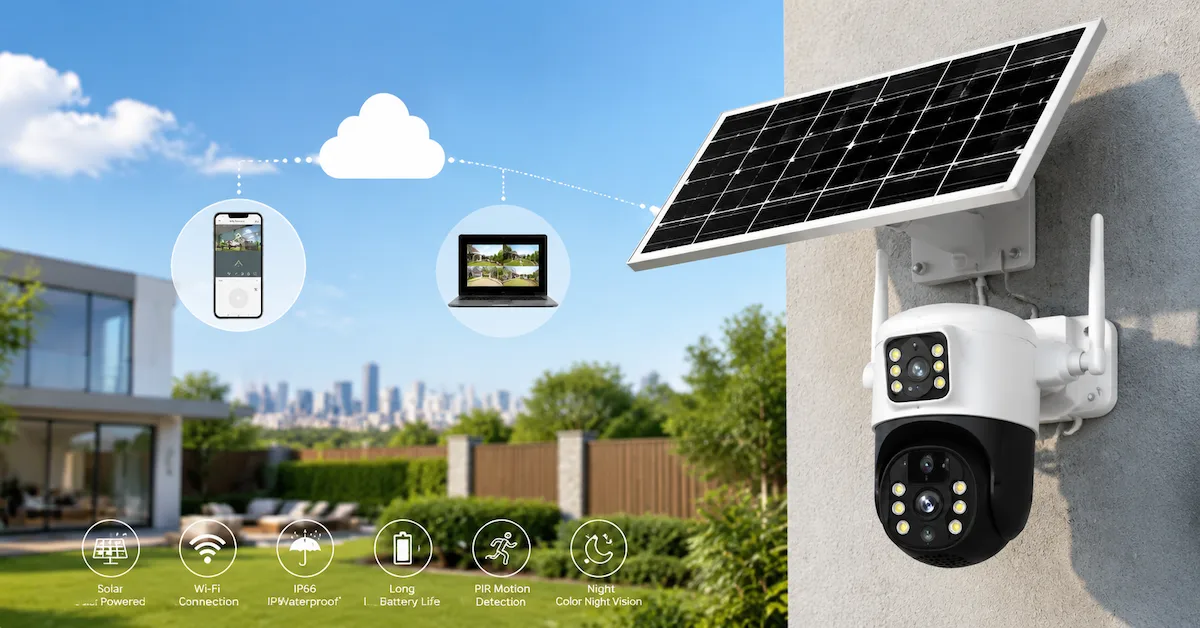
Cloud-connected camera products are used across many industries. Different buyers have different manufacturing requirements.
Security Camera Brands
Established security brands often need manufacturing partners that can support:
- customized camera designs
- stable component supply
- production consistency
- quality control
- long-term product lifecycle
Their main concern is not only manufacturing cost, but whether the supplier can maintain consistent quality across thousands of units.
Smart Home Companies
Smart home brands increasingly develop connected devices including:
- indoor cameras
- outdoor cameras
- baby monitors
- pet cameras
- home security devices
These products require cooperation between:
- camera hardware
- wireless connectivity
- mobile applications
- cloud services
- user experience
A reliable OEM manufacturer helps ensure that the hardware foundation remains stable as product features expand.
IoT Product Developers
IoT companies often require customized camera solutions for specific applications.
Examples include:
- smart monitoring devices
- industrial cameras
- connected sensors
- intelligent terminals
- embedded vision products
These projects usually require more flexibility than standard CCTV products.
Distributors and Private Label Brands
Private-label companies often need:
- customized appearance
- branded packaging
- product configuration options
- stable supply
- manufacturing support
An OEM partner allows distributors to launch products without building their own production infrastructure.
Hardware Startups
For startups, manufacturing resources are often limited.
A cloud camera OEM manufacturer can help reduce barriers by providing:
- prototype support
- engineering feedback
- component sourcing
- production guidance
This allows startups to move from concept validation to commercial production faster.
OEM vs ODM: Which Manufacturing Model Is Better for Cloud Cameras?
When selecting a camera manufacturing partner, buyers often need to decide between OEM and ODM.
Both models can support product development, but the level of supplier involvement is different.
| Item | OEM Manufacturing | ODM Solution |
|---|---|---|
| Product design | Customer provides design | Supplier can support development |
| Hardware customization | High | High |
| Engineering involvement | Limited | More extensive |
| Development responsibility | Mainly customer | Shared with manufacturer |
| Time to market | Depends on customer readiness | Often faster |
| Best for | Brands with existing designs | Companies needing product support |
What Is Cloud Camera OEM Manufacturing?
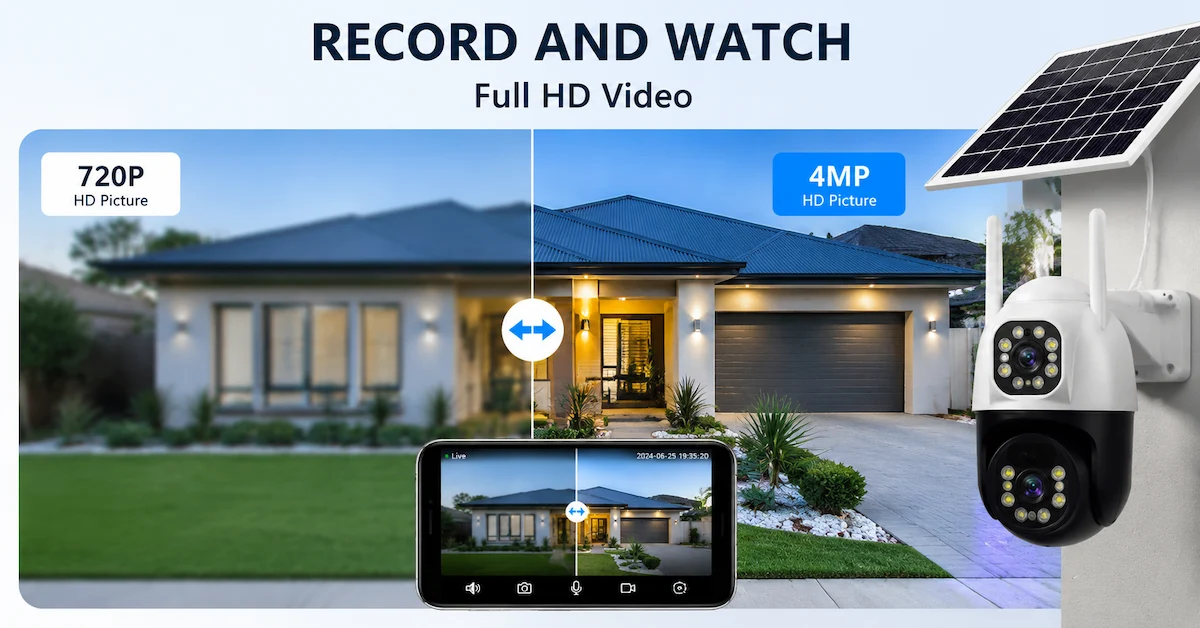
OEM manufacturing means the customer owns the product concept, design requirements, specifications, or branding while the manufacturer produces the hardware according to those requirements.
Typical OEM support includes:
- PCB manufacturing
- PCBA assembly
- component sourcing
- production testing
- final assembly support
For companies that already have:
- hardware designs
- camera specifications
- product requirements
OEM manufacturing provides production capability without owning a factory.
What Is Cloud Camera ODM Development?
ODM goes further by involving the manufacturer earlier in product development.
An ODM partner may support:
- hardware optimization
- manufacturing suggestions
- component selection
- design improvement
- prototype validation
For companies without strong hardware engineering resources, ODM can reduce development complexity.
However, the exact ODM scope depends on the supplier's actual engineering capabilities.
Core Hardware Components of Cloud Camera Products
A cloud camera is not only a camera sensor.
A complete hardware system usually includes multiple electronic components working together.
| Component | Function |
|---|---|
| Image Sensor | Captures visual information |
| Lens System | Determines viewing angle and image quality |
| Main Processor | Controls processing functions |
| Memory | Supports system operation |
| Storage | Saves configuration or recordings |
| Wireless Module | Enables network communication |
| Power System | Provides stable operation |
| PCB Assembly | Connects electronic components |
| Interface Components | Supports external connections |
| Housing Structure | Protects internal electronics |
The final configuration depends on the target application.
A home security camera may prioritize:
- compact size
- wireless connection
- low power consumption
while an industrial camera may prioritize:
- reliability
- continuous operation
- environmental resistance
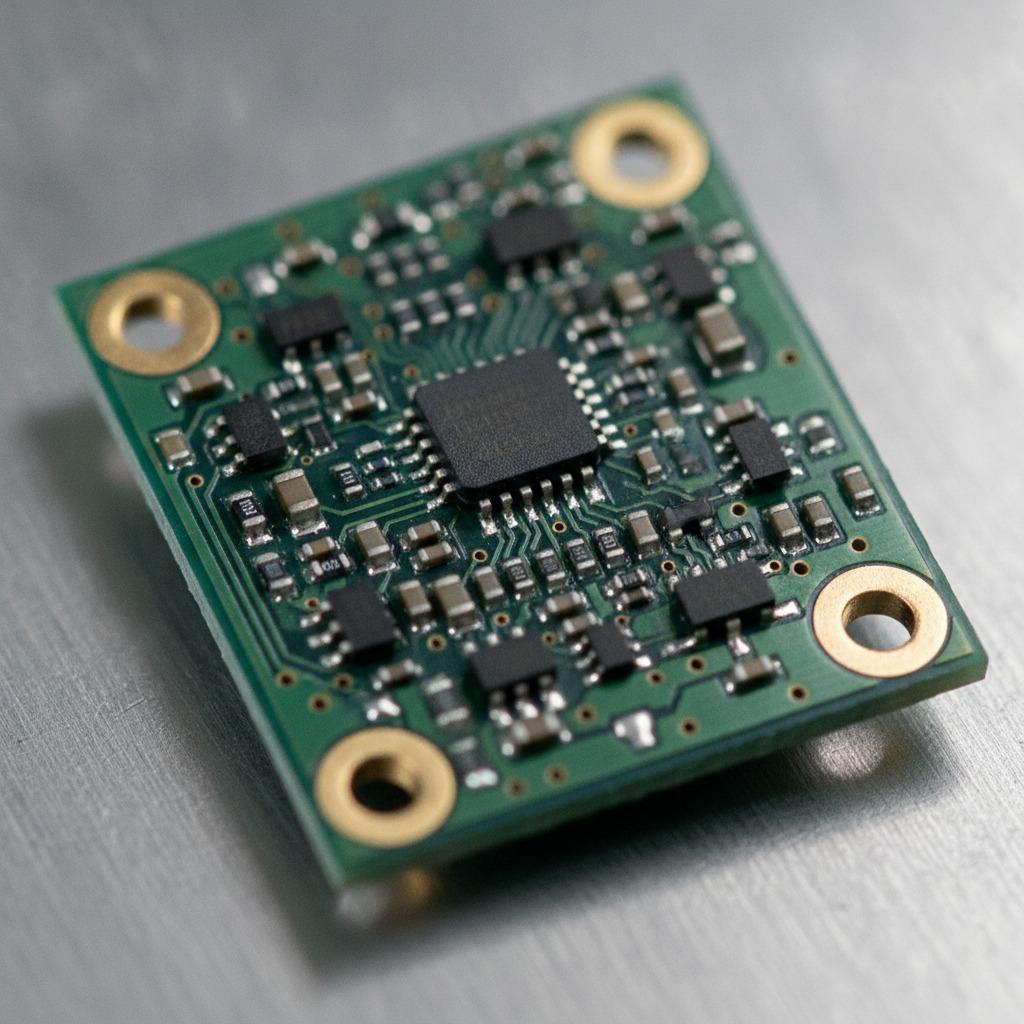
Why PCBA Capability Matters for Cloud Camera Manufacturing
The PCB assembly process directly affects product reliability.
A cloud camera PCBA must coordinate:
- image processing
- wireless communication
- power management
- sensor connection
- storage interface
- external ports
Poor PCB design or assembly quality may result in:
- unstable operation
- communication failures
- overheating
- product returns
- production delays
A capable camera PCBA manufacturer should understand:
- component placement
- SMT process requirements
- signal integrity
- thermal considerations
- testing requirements
HCDPCBA provides PCBA manufacturing services including PCB prototyping, SMT assembly, component sourcing, inspection, testing, and OEM/ODM support. (hcdpcba.com)
SMT Assembly Requirements for Cloud Camera Products
Modern cloud cameras often use compact PCB designs with high component density.
SMT manufacturing quality directly affects:
- product stability
- production yield
- long-term reliability
Important SMT considerations include:
Component Placement
Camera boards often contain:
- processors
- memory chips
- wireless modules
- connectors
- power components
Proper placement helps improve:
- signal performance
- thermal management
- manufacturing efficiency
Fine-Pitch Components
Compact camera designs may use:
- QFN packages
- BGA packages
- high-density components
These require controlled manufacturing processes and appropriate inspection methods.
Assembly Consistency
For mass production, consistency matters more than one successful prototype.
Manufacturers need to control:
- solder quality
- component accuracy
- process parameters
- inspection procedures
Cloud Camera OEM Manufacturing Process From Prototype to Mass Production
Selecting a cloud camera OEM manufacturer is not only about finding a factory that can assemble products. A reliable manufacturing partner should understand the complete transition process from initial product requirements to stable mass production.
A professional development process normally includes:
- Product requirement analysis
- Engineering review
- Prototype manufacturing
- Hardware validation
- Pilot production
- Quality verification
- Mass production
Each stage reduces potential risks before large-scale manufacturing.
Stage 1: Product Requirement and Technical Review
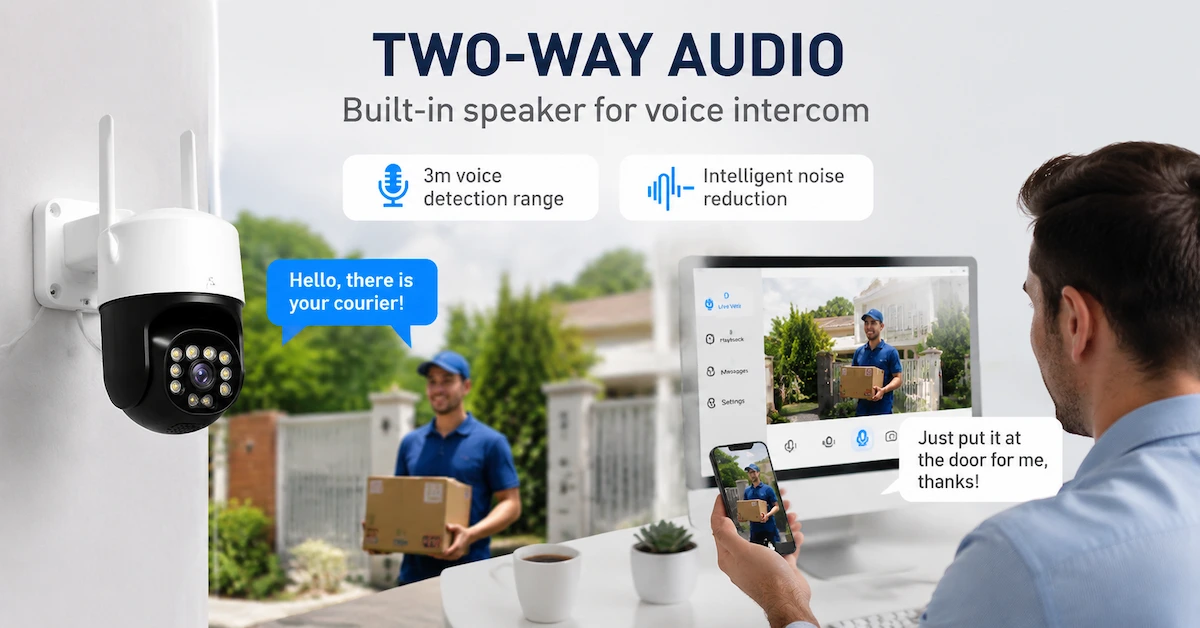
Before manufacturing begins, OEM buyers should define the complete product requirements.
A detailed project review should include:
Camera Requirements
- Target resolution
- Lens specification
- Viewing angle
- Indoor or outdoor application
- Day/night operation
- Image quality requirements
Connectivity Requirements
- Wi-Fi
- Ethernet
- Cellular communication
- Bluetooth
- Other wireless requirements
Product Function Requirements
- Local storage
- Cloud connection
- Mobile application support
- Recording functions
- Remote monitoring
Manufacturing Requirements
- Target quantity
- Production schedule
- Packaging requirements
- Certification requirements
- Cost target
A clear requirement document helps the manufacturer evaluate:
- component selection
- PCB complexity
- assembly requirements
- testing requirements
- production feasibility
Stage 2: Hardware Engineering and DFMA Review
Before mass production, a professional OEM partner should review whether the product design is suitable for manufacturing.
DFMA (Design for Manufacturing and Assembly) is especially important for cloud cameras because products usually combine:
- compact PCB design
- camera modules
- wireless communication
- power systems
- mechanical structures
A DFMA review may focus on:
PCB Design
- component placement
- PCB layer structure
- routing requirements
- power distribution
- connector positioning
- thermal areas
Camera Integration
- sensor connection
- lens positioning
- mechanical tolerance
- module mounting
Manufacturing Feasibility
- SMT process
- component availability
- assembly difficulty
- testing requirements
Early engineering review helps reduce:
- redesign costs
- production delays
- unstable manufacturing results
HCDPCBA lists DFMA, PCB prototyping, SMT assembly, component sourcing, and testing as part of its electronics manufacturing services. (hcdpcba.com)
Stage 3: Prototype Cloud Camera Production
Prototype manufacturing allows brands to verify whether the product concept works before investing in larger production quantities.
Prototype testing should evaluate:
Camera Performance
- image clarity
- focus quality
- viewing angle
- low-light performance
- image stability
Electronics Performance
- startup process
- wireless connection
- communication stability
- power consumption
Mechanical Performance
- component fit
- housing assembly
- connector alignment
- thermal behavior
Software Interaction
- device communication
- firmware compatibility
- configuration process
A prototype is not only a sample for demonstration.
It is a tool for discovering problems before mass production.
Stage 4: Pilot Production Validation
After prototype approval, pilot production verifies whether the product can be manufactured consistently.
Pilot production focuses on:
- production process optimization
- assembly repeatability
- supplier stability
- testing procedure validation
- manufacturing yield
During pilot production, companies can identify issues such as:
- component shortages
- assembly problems
- inconsistent performance
- unclear testing standards
Solving these issues before mass production can significantly reduce future costs.
Stage 5: Mass Production and Continuous Quality Control
Once the product enters mass production, consistency becomes the primary goal.
A reliable cloud camera OEM manufacturer should maintain control over:
- incoming materials
- PCB quality
- SMT process
- assembly process
- inspection
- functional testing
- packaging
Production stability is especially important for security products because customers expect:
- long operating hours
- reliable connectivity
- consistent image performance
- low failure rates
Quality Control Requirements for Cloud Camera Manufacturing
Quality control is one of the most important factors when selecting a camera manufacturing partner.
A complete quality process may include:
Incoming Material Inspection
Before production:
- PCB materials
- electronic components
- camera modules
- connectors
- mechanical parts
should be verified.
This helps prevent:
- incorrect components
- damaged materials
- supply-chain quality problems
SMT Inspection
During PCB assembly, inspection helps identify:
- component placement errors
- solder defects
- missing components
- polarity mistakes
AOI Inspection
Automatic Optical Inspection (AOI) is commonly used to detect visible assembly problems.
AOI can help check:
- component position
- solder appearance
- missing components
- assembly consistency
X-Ray Inspection
For hidden solder joints, especially certain high-density packages, X-Ray inspection can provide additional verification.
Examples include:
- BGA packages
- hidden solder connections
- internal solder quality
HCDPCBA lists AOI and X-Ray inspection among its quality capabilities. (hcdpcba.com)
Functional Testing
Visual inspection alone cannot confirm whether a cloud camera works correctly.
Functional testing may verify:
| Test Area | Purpose |
|---|---|
| Power Test | Verify stable startup |
| Camera Test | Confirm image output |
| Network Test | Check connectivity |
| Storage Test | Verify recording functions |
| Interface Test | Confirm ports and communication |
| Long-Term Test | Evaluate operating stability |
The exact testing plan should be customized according to the customer's product requirements.
Component Sourcing Challenges for Cloud Camera OEM Projects
A professional cloud camera OEM manufacturer should understand that supply-chain management directly affects product success.
Cloud cameras often include:
- processors
- image sensors
- memory
- wireless modules
- power components
- connectors
- passive components
Potential sourcing risks include:
Component Availability
Electronic components may experience:
- shortage
- lifecycle changes
- price fluctuations
Uncontrolled Substitutions
Replacing components without approval can affect:
- performance
- firmware compatibility
- product reliability
Quality Risk
Poor-quality components may cause:
- early failures
- unstable operation
- customer complaints
OEM buyers should confirm:
- approved suppliers
- component traceability
- substitution approval process
- inventory planning
HCDPCBA states that its PCBA services include component sourcing through supplier networks and component verification support. (hcdpcba.com)
Cost Factors of Cloud Camera OEM Manufacturing
The cost of a cloud camera product depends on many technical and commercial factors.
Hardware Configuration
Important cost drivers include:
- camera sensor
- processor
- memory
- storage
- wireless module
- power system
PCB and Assembly Complexity
Costs increase with:
- higher component density
- multi-layer PCB requirements
- fine-pitch components
- additional assembly processes
Testing Requirements
More advanced testing may increase cost but can reduce product failure risk.
Examples:
- functional testing
- aging testing
- communication testing
- environmental validation
Production Quantity
Prototype, small batch, and mass production have different cost structures.
Higher volume production usually provides better unit economics because:
- setup costs are distributed
- material purchasing becomes more efficient
- manufacturing processes become optimized
Customization Level
OEM and ODM projects with more customization may require additional engineering resources.
Examples:
- customized PCB
- unique enclosure
- special interfaces
- product-specific testing
How to Choose a Cloud Camera OEM Manufacturer in 2026
Choosing the right supplier requires evaluating more than manufacturing price.
1. Manufacturing Capability
Check whether the supplier can support:
- PCB production
- SMT assembly
- testing
- production scaling
2. Engineering Support
A strong partner should help identify:
- manufacturing risks
- component issues
- design improvements
3. Quality Management
Evaluate:
- inspection process
- testing capability
- production control
4. Supply Chain Capability
Confirm:
- component sourcing ability
- supplier management
- lifecycle support
5. Prototype-to-Production Ability
The ideal supplier should support:
- prototype
- pilot production
- mass manufacturing
rather than only one production stage.
6. Confidentiality and IP Protection
Security camera products often involve:
- hardware designs
- PCB files
- firmware information
- product concepts
OEM buyers should confirm how suppliers protect confidential information.
Cloud Camera OEM vs Traditional Camera Supplier
| Factor | Traditional Camera Supplier | Cloud Camera OEM Manufacturer |
|---|---|---|
| Hardware Production | Yes | Yes |
| PCB Customization | Limited | More flexible |
| PCBA Manufacturing | Depends | Integrated |
| Component Sourcing | Depends | Supported |
| Product Customization | Limited | Stronger |
| Prototype Support | Varies | Available |
| ODM Development | Limited | More extensive |
| Manufacturing Optimization | Basic | Engineering-driven |
For brands building differentiated products, an OEM partner with electronics manufacturing capability can provide more value than a simple product reseller.
Why Brands Work With Cloud Camera OEM Manufacturers
Working with an OEM manufacturer allows companies to avoid building their own production infrastructure.
Benefits include:
Lower Investment
Companies do not need to establish:
- PCB factories
- SMT lines
- testing systems
- supplier networks
Faster Product Launch
Experienced manufacturers can shorten development cycles through:
- engineering support
- manufacturing experience
- production processes
Better Scalability
OEM partners can support growth from:
- prototype quantities
- small batches
- commercial production
Reduced Manufacturing Risk
Professional suppliers help manage:
- component sourcing
- production quality
- testing procedures
HCDPCBA as a Cloud Camera Electronics Manufacturing Partner
HCDPCBA provides electronics manufacturing services including:
- PCB prototyping
- PCBA assembly
- SMT manufacturing
- component sourcing
- DFMA
- inspection
- testing
- OEM/ODM support
The company also provides camera-related products through its Camera Series and offers broader PCBA Manufacturing Services. (hcdpcba.com)
For companies developing cloud-connected cameras, HCDPCBA can support the electronics manufacturing side of projects, including:
- camera PCBA production
- electronic assembly
- component management
- prototype manufacturing
- production preparation
The exact camera sensor, cloud platform, software system, certifications, and final product functions should be confirmed separately according to each project requirement.
Frequently Asked Questions
What does a cloud camera OEM manufacturer do?
A cloud camera OEM manufacturer produces customized camera hardware according to customer requirements, including PCB assembly, component sourcing, testing, and production support.
What is the difference between OEM and ODM for cloud cameras?
OEM focuses on manufacturing according to customer specifications, while ODM involves deeper supplier participation in product development and engineering optimization.
Can a cloud camera OEM manufacturer customize PCB boards?
Yes. Many cloud camera projects require customized PCB designs to support camera modules, processors, wireless communication, and product-specific functions.
What information is needed for a cloud camera quotation?
Typical requirements include:
- product specifications
- PCB files
- BOM
- camera requirements
- production quantity
- testing requirements
How does a manufacturer ensure cloud camera quality?
Quality control may include material inspection, SMT inspection, AOI, X-Ray inspection, and functional testing.
Can OEM manufacturers support prototype production?
Many OEM manufacturers support prototype and small-batch production before mass manufacturing. The exact capability depends on the supplier.
Why is component sourcing important for cloud cameras?
Cloud cameras rely on multiple electronic components. Stable sourcing helps reduce shortages, substitutions, and production interruptions.
How long does cloud camera development take?
Development time depends on product complexity, customization requirements, testing cycles, and production preparation.
Can HCDPCBA support cloud camera OEM projects?
HCDPCBA provides PCB, PCBA, SMT, component sourcing, testing, and OEM/ODM manufacturing support for electronics projects. Specific cloud camera requirements should be reviewed according to project specifications.
What should brands consider when selecting a cloud camera manufacturer?
Brands should evaluate manufacturing capability, engineering support, quality control, supply-chain management, customization ability, and long-term production support.
Conclusion
Choosing a cloud camera OEM manufacturer in 2026 is not only a purchasing decision but also a product development strategy.
The right manufacturing partner should help brands manage:
- hardware design requirements
- PCBA manufacturing
- component sourcing
- production quality
- testing processes
- prototype validation
- mass-production scalability
For security brands, IoT companies, and consumer electronics businesses, a capable OEM partner can reduce development complexity and improve the reliability of the final product.
HCDPCBA combines PCB manufacturing, PCBA assembly, SMT production, component sourcing, DFMA, testing, and OEM/ODM support to help companies develop customized electronics products.
Companies planning cloud camera products can prepare their product requirements, hardware specifications, BOM, and production goals, then contact HCDPCBA for technical evaluation and manufacturing discussion.