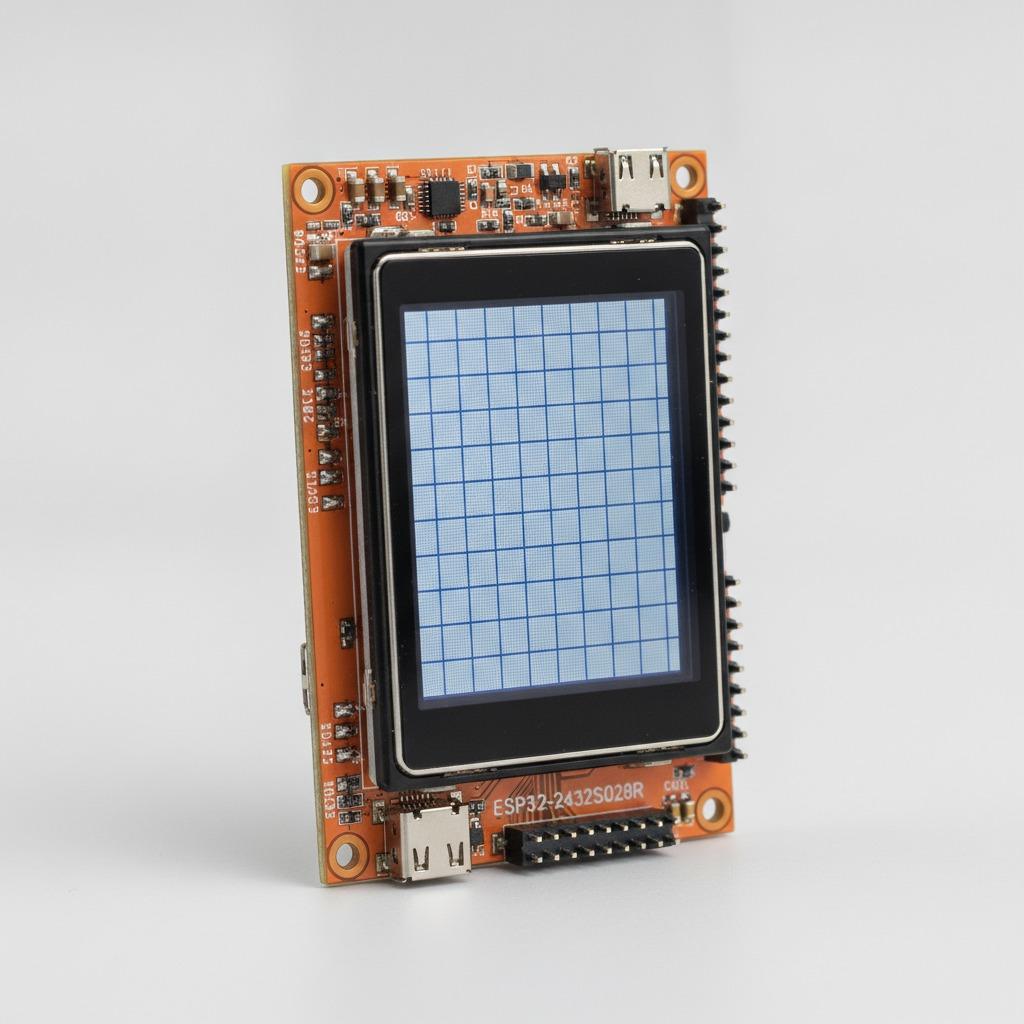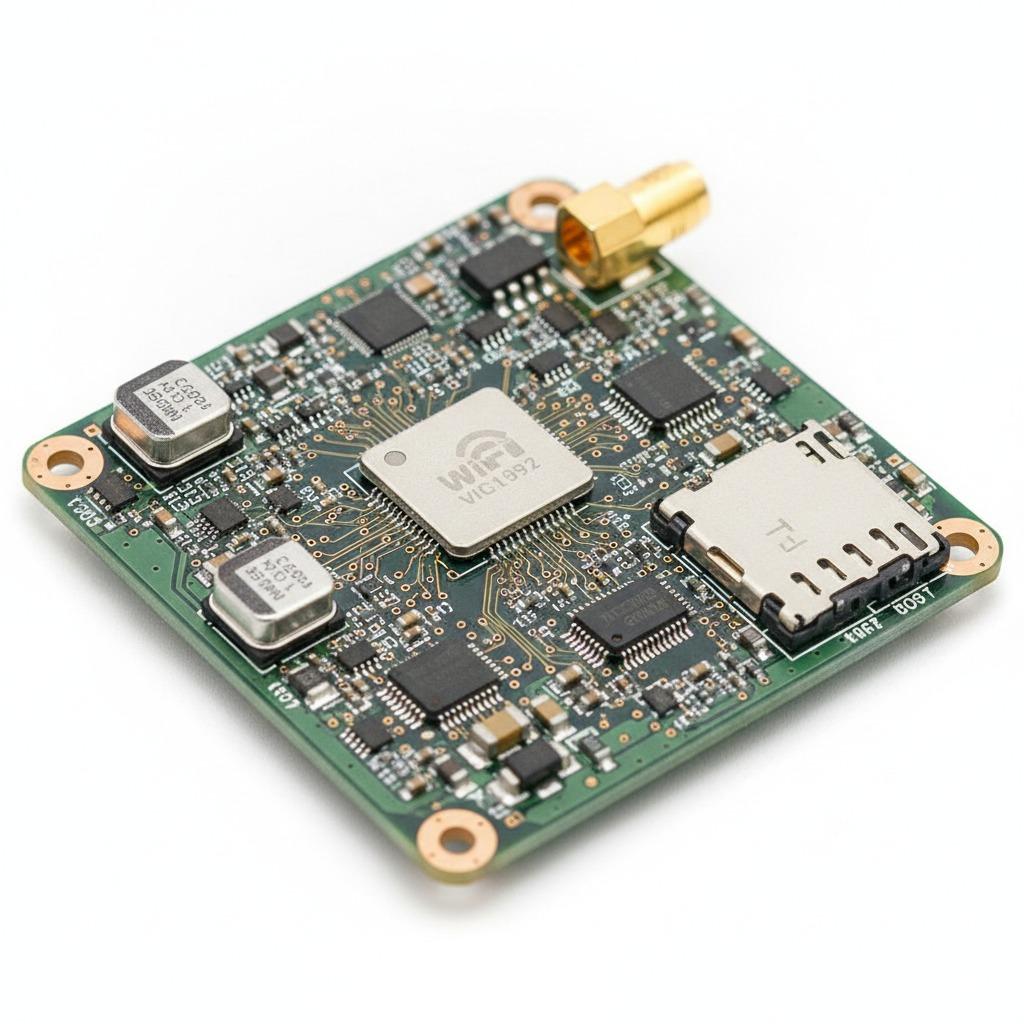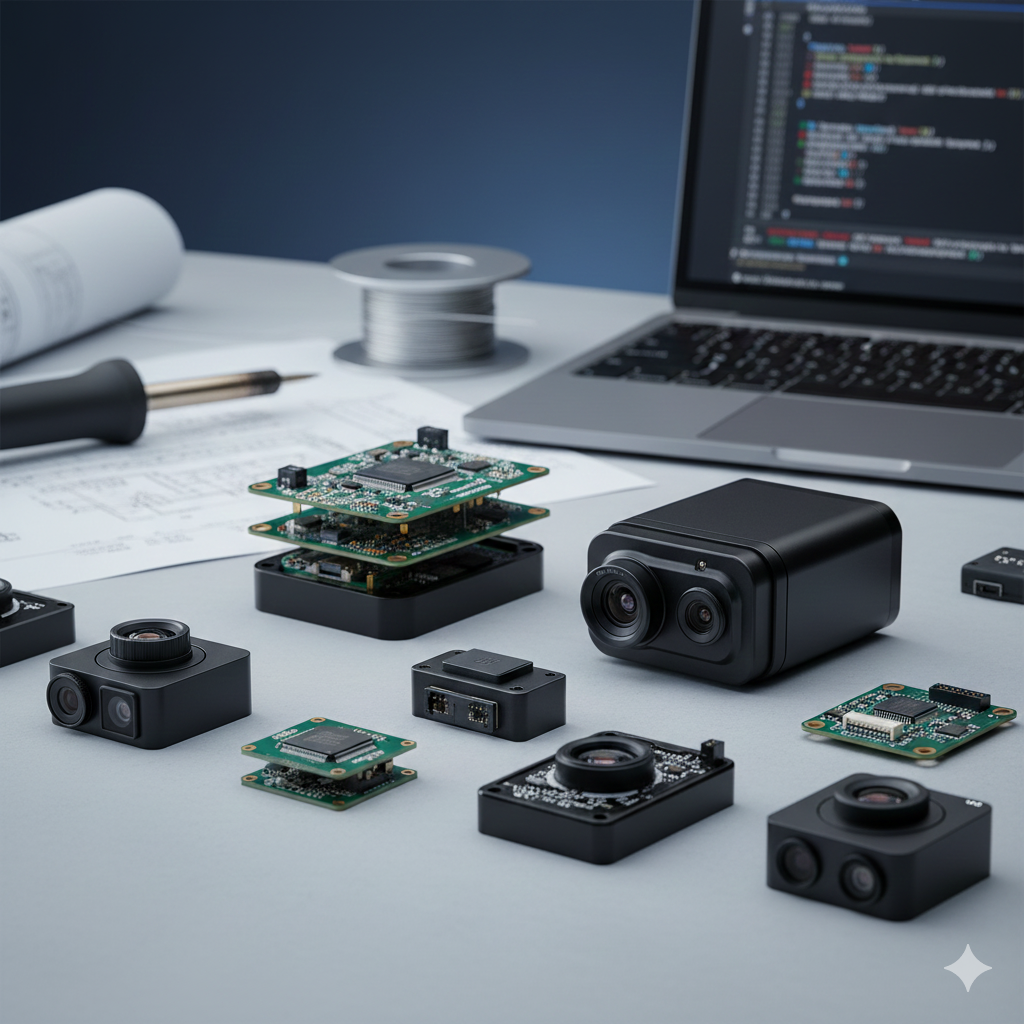
AI Camera Module Manufacturer: Building Intelligent Vision Systems for the Future
Vision has evolved — from capturing images to understanding them.
At the center of this evolution lies the AI camera module manufacturer, integrating sensors, processors, and AI computing capabilities into compact, high-efficiency modules that not only see but think.
These intelligent camera modules power everything from smart surveillance and retail analytics to autonomous vehicles and robotic inspection — redefining what cameras can do across industries.
The Architecture of an AI Camera Module
Unlike traditional cameras, an AI camera module combines imaging, computation, and communication in one platform.
| Core Component | Function | Manufacturing Focus |
|---|---|---|
| CMOS Sensor | Captures raw image data | Low noise, high dynamic range |
| Neural Processing Unit (NPU) | Executes AI algorithms at the edge | High-speed, low-power inference |
| Image Signal Processor (ISP) | Prepares data for AI analysis | Color correction, noise reduction |
| Driver PCBA | Manages data and power flow | Multi-layer routing, EMI control |
| Connectivity Module | Transmits results via Wi-Fi, Ethernet, or 5G | Stable signal integrity |
| Optical Lens Assembly | Captures light with precision | Wide FOV, low distortion |
This integrated architecture enables real-time AI inference directly on the device — eliminating the need for cloud processing while improving speed and privacy.
Edge AI Processing and Real-Time Inference
At the heart of every AI camera module lies an edge AI processor, capable of analyzing images locally using embedded deep learning models.
Professional factories design modules optimized for real-time decision-making by:
-
Embedding NPUs or TPUs (1–8 TOPS performance) directly onto the PCBA.
-
Using DDR4/LPDDR5 memory channels for high-speed model execution.
-
Employing on-chip AI accelerators for tasks like facial recognition and object tracking.
-
Integrating hardware-level encryption for secure model inference.
-
Calibrating thermal dissipation to maintain peak inference efficiency.
This allows devices to detect, classify, and respond instantly — from identifying people and objects to reading text or QR codes on the fly.
Smart Imaging PCBA: Precision at the Hardware Level
The intelligence of an AI vision system begins with its board design.
Manufacturers of smart imaging PCBA implement advanced techniques to ensure reliability under high computing loads:
-
8-layer PCB layout with dedicated power and signal planes.
-
Differential impedance control for high-speed camera interface lines (MIPI, LVDS).
-
Noise isolation zones separating analog sensor input and digital logic.
-
Copper-based thermal vias for effective heat transfer from NPUs.
-
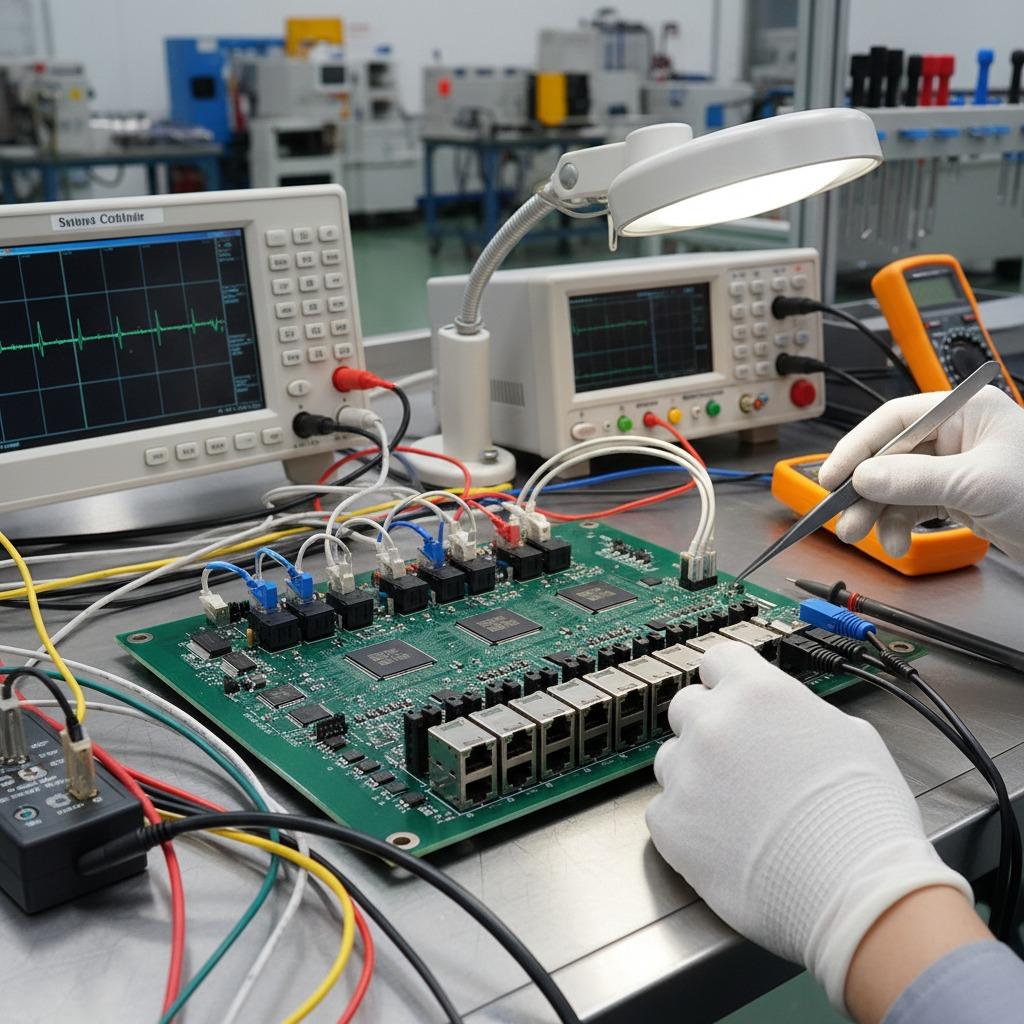
Automated optical inspection (AOI) and functional circuit testing (FCT) for quality assurance.
The result is a stable foundation capable of sustaining continuous AI workloads without frame drops or overheating — essential for industrial and surveillance applications.
Optical Precision and Sensor Calibration
AI-driven vision depends on optical integrity as much as on computing power.
Even the most advanced neural network can fail if the captured image is distorted or misaligned.
To prevent this, AI camera module factories employ:
-
Active optical alignment during sensor-to-lens assembly (accuracy ≤3µm).
-
Wide Dynamic Range (WDR) tuning for balanced lighting across scenes.
-
IR-cut filter integration for accurate color and night imaging.
-
Optical focus testing through laser-assisted calibration.
-
Color matrix calibration using AI-driven feedback loops for sensor tuning.
This ensures that every frame captured is optimized for downstream AI processing — producing cleaner, more reliable datasets for machine learning inference.
AI Algorithms Embedded at the Hardware Layer
Unlike software-based cameras, modern AI modules run algorithms directly at the hardware layer.
This approach drastically improves efficiency and responsiveness.
Typical on-device AI models include:
-
Facial Recognition and Counting – For access control or retail analytics.
-
Object Detection and Tracking – For autonomous navigation and robotics.
-
License Plate Recognition (ANPR) – For smart traffic management.
-
Anomaly Detection – For industrial inspection or safety monitoring.
-
Behavior Recognition – For intelligent surveillance and predictive alerts.
With pre-trained models integrated into firmware, cameras become plug-and-play intelligent systems — enabling immediate deployment without external computing.
Thermal Management and Long-Term Reliability
Continuous inference demands consistent performance.
AI camera modules must manage both high power density and temperature stability.
Factories implement:
-
High-Tg PCBs (≥170°C) for sustained operation.
-
Aluminum and copper heat sinks to disperse heat from AI chips.
-
Temperature sensors for real-time thermal monitoring.
-
Adaptive fan or passive cooling systems depending on deployment.
-
Aging tests (72–120h) under elevated temperatures for reliability certification.
These measures ensure stable operation even in high-temperature industrial or outdoor environments.
Advantages of Partnering with an AI Camera Module Manufacturer
Choosing a professional AI camera module manufacturer gives OEMs access to integrated capabilities:
-
AI + Optics + Electronics Integration – Unified control of image capture, analysis, and communication.
-
Edge AI Processing Expertise – Real-time data analysis without cloud dependency.
-
High-Speed Connectivity Options – Support for Wi-Fi 6, Gigabit Ethernet, and 5G modules.
-
Custom Firmware & SDK Development – For seamless integration into client ecosystems.
-
Scalable Production & Global Support – From prototyping to full-scale manufacturing.
These strengths accelerate time-to-market while ensuring hardware-level AI optimization tailored to application needs.
Applications Across Industries
AI camera modules are redefining how industries perceive and respond to the world:
-
Smart Cities – For traffic monitoring and public safety analytics.
-
Retail & Hospitality – For customer tracking and queue management.
-
Industrial Automation – For defect detection and quality control.
-
Healthcare – For patient monitoring and diagnostic imaging.
-
Robotics & Drones – For real-time navigation and obstacle avoidance.
Each application benefits from the fusion of visual intelligence and edge processing — bringing AI from the cloud directly to the device.
Empowering Vision Through Intelligence
The evolution of vision technology no longer ends at clarity — it extends to understanding.
A professional AI camera module manufacturer doesn’t just assemble sensors; it engineers perception, decision-making, and reliability into every frame.
To explore our AI-enabled imaging module solutions and discuss OEM customization, visit www.hcdpcba.com or reach our technical team via the contact page.
Because in the era of intelligent imaging, the real breakthrough isn’t what the camera sees — but what it understands.