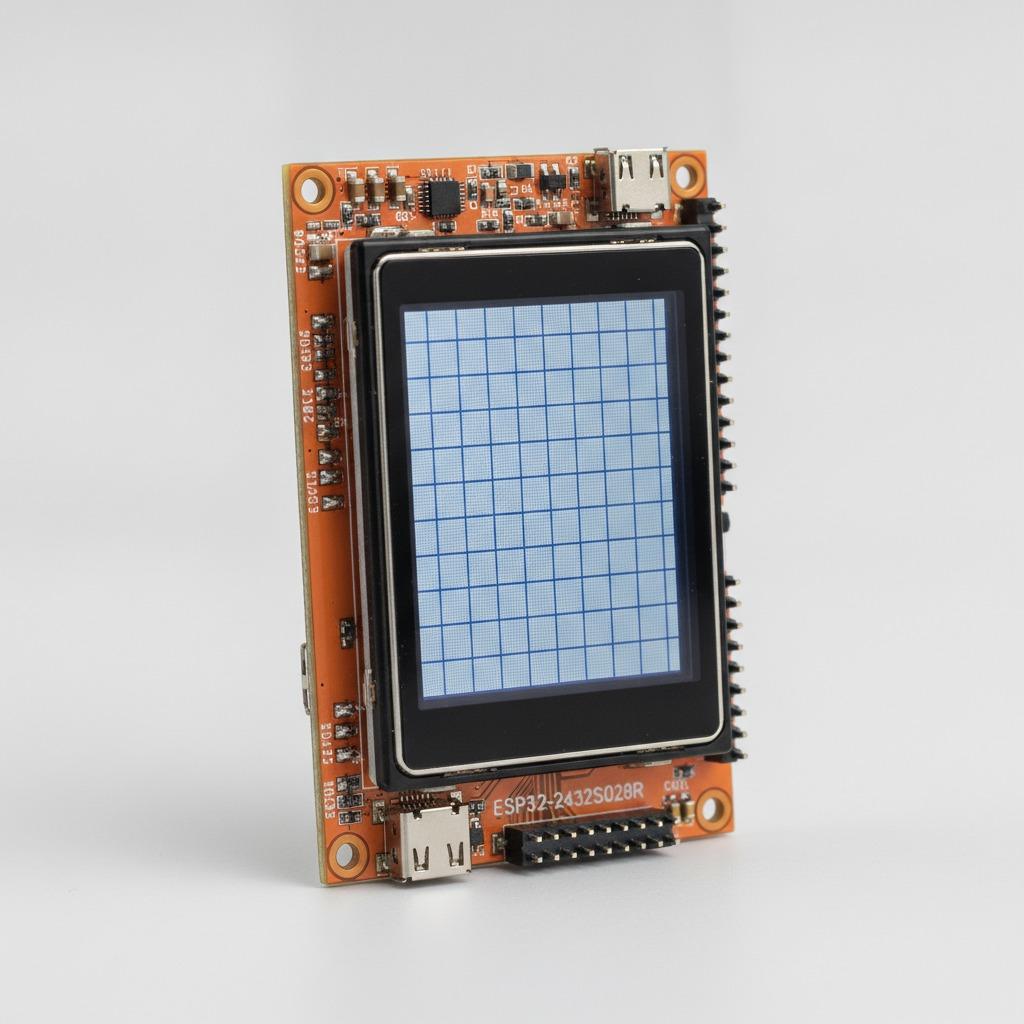
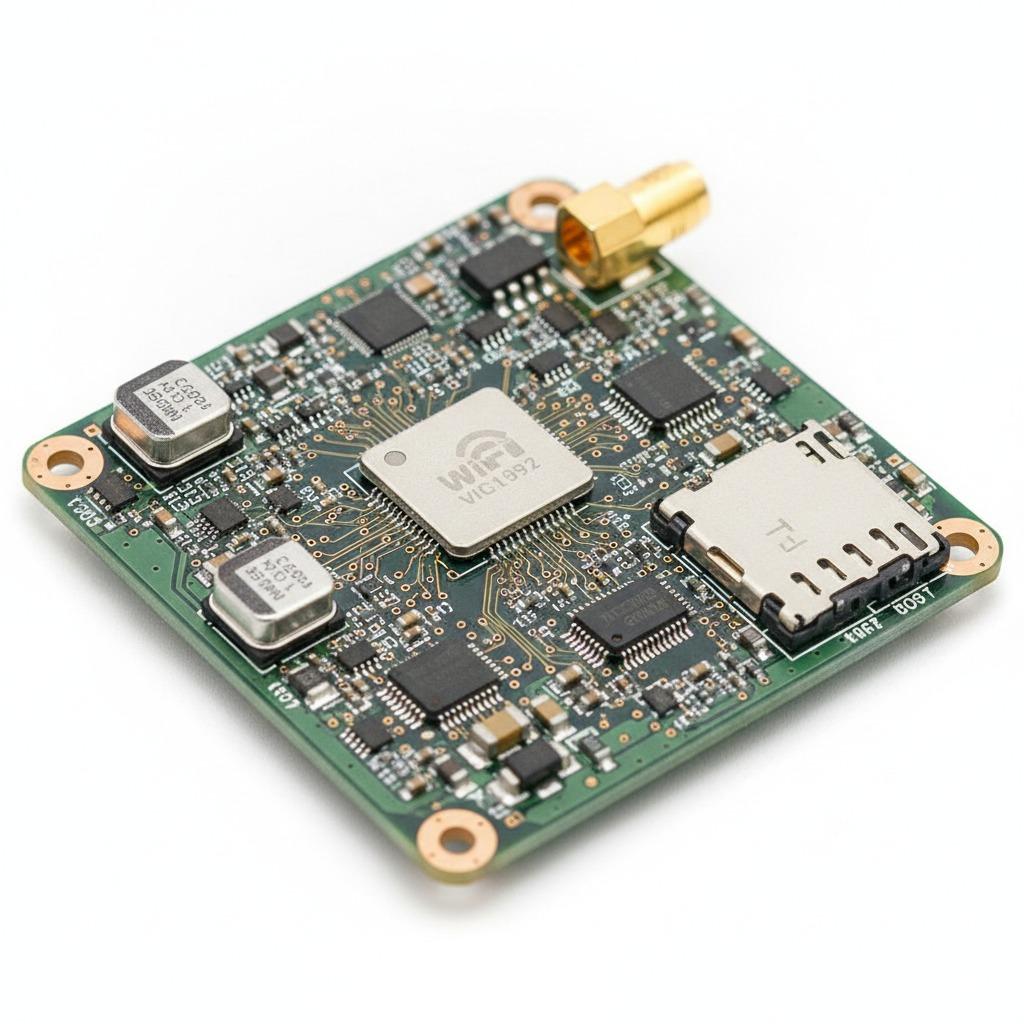
Why 4K and 5MP camera boards keep moving to the center of surveillance design
The demand for a 4K / 5MP High Resolution Camera PCBA is not just about sharper video. For engineering teams and sourcing managers, it is really about what that sharper image enables downstream: better identification at the edge of a scene, fewer blind spots in a fixed installation, and less ambiguity when video is reviewed after the fact. That matters whether the product is aimed at retail security, perimeter monitoring, industrial inspection, or a compact smart-home device.
In practice, a higher-resolution camera board also raises a few hard questions. Can the imaging chain actually support the sensor? Is the recorder or network path ready for the data load? Will night performance fall apart once the scene goes dark? Those are the decisions this article is meant to help with. The board itself is only one part of the system, but it is the part where a lot of failures start.
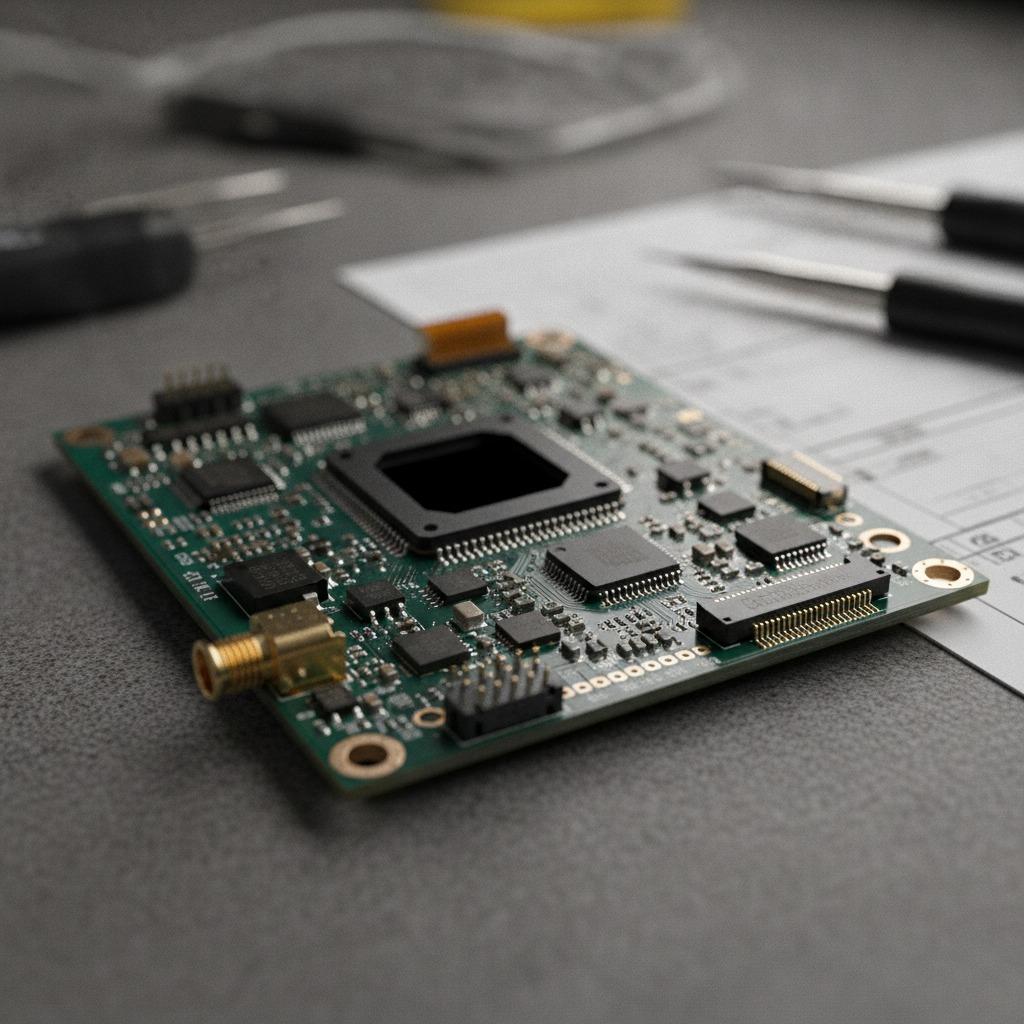
What a high-resolution camera PCBA has to do well
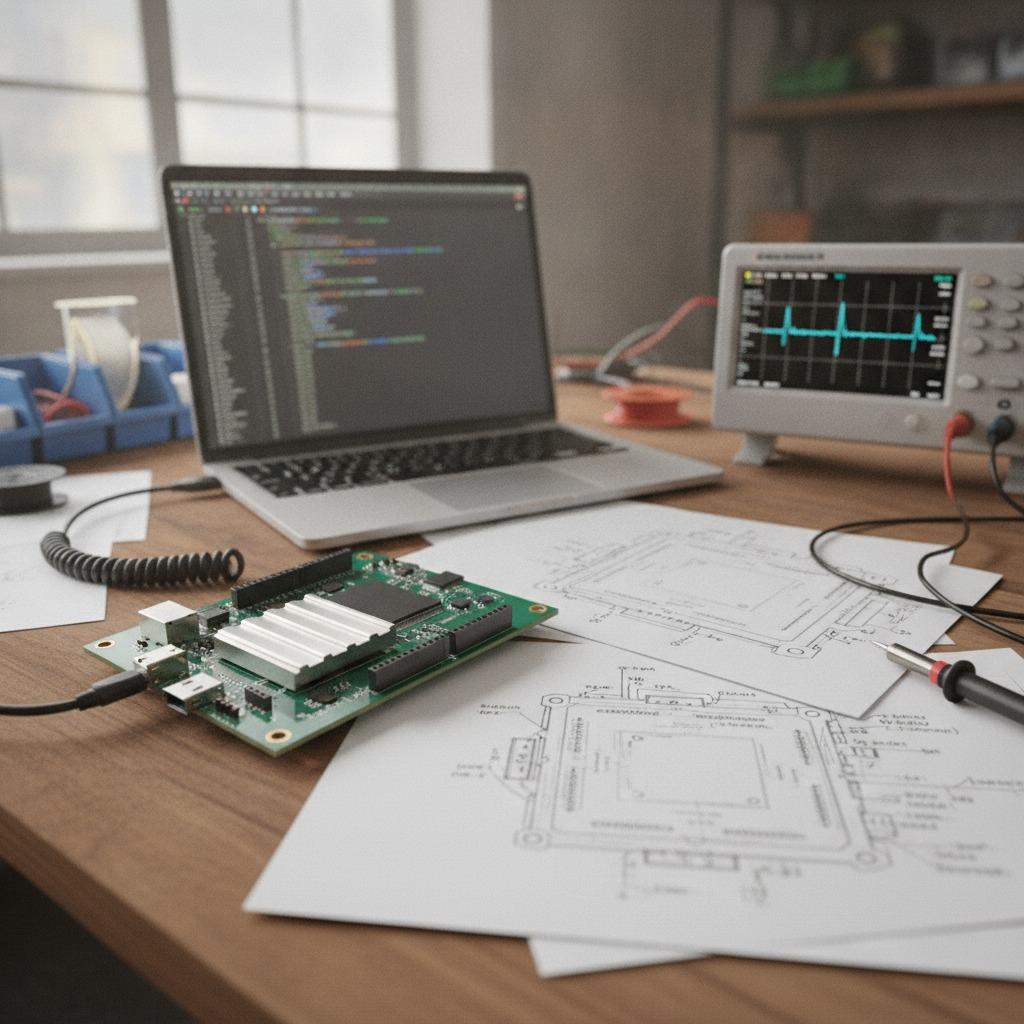
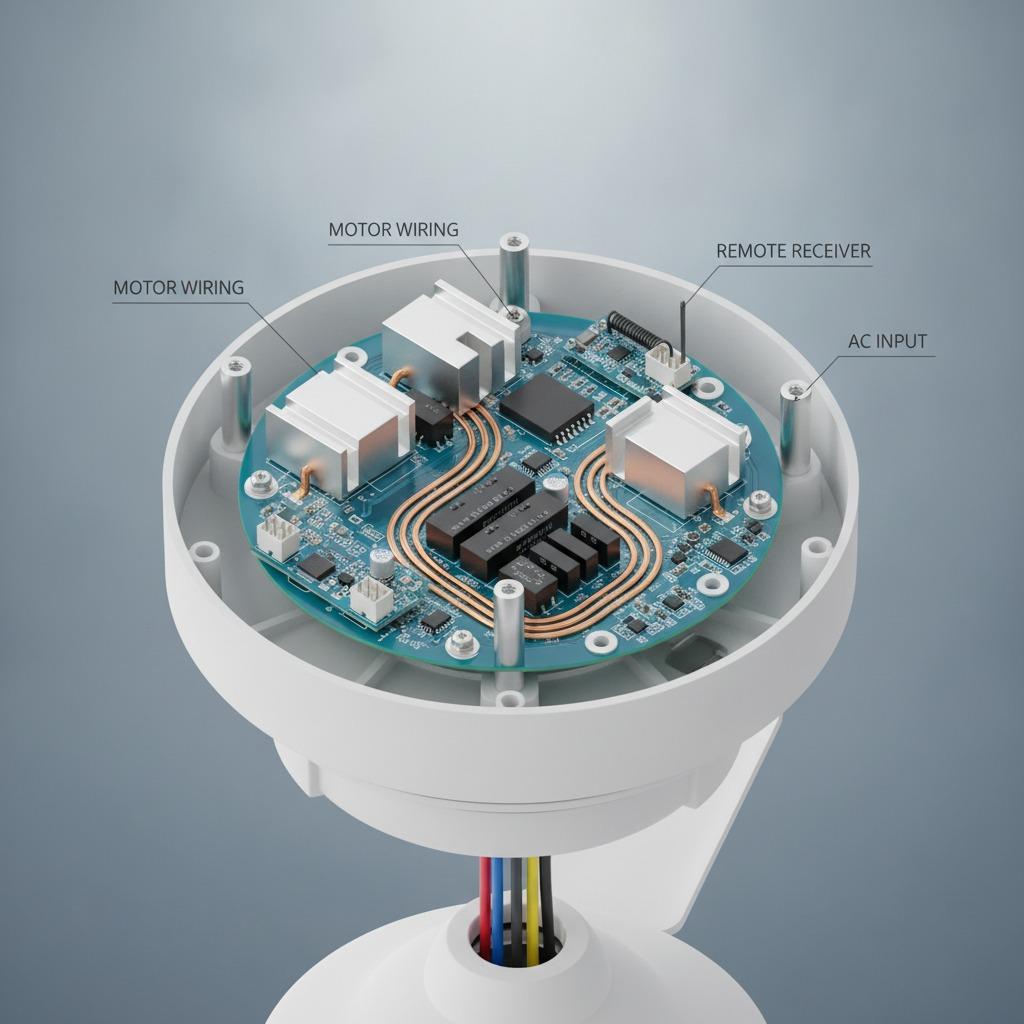
A modern camera board is a mixed-signal product, which is why it can be deceptively difficult to build. You are balancing image sensor performance, power delivery, signal integrity, thermal behavior, firmware compatibility, and mechanical fit in one assembly. For a 4K / 5MP platform, the margin for sloppy layout or loose component sourcing gets thinner than many buyers expect.
At a basic level, the board must move image data cleanly from the sensor through the processing chain and out to storage or transmission. If the product includes infrared illumination or low-light enhancement, then the design has to preserve usable detail after sunset, not just in a lab demo. That is where a Night Vision IR PCBA often becomes part of the discussion rather than an optional accessory.
Quick comparison: what buyers usually evaluate first
When teams compare a camera module design, they usually start with a few practical checkpoints rather than a full schematic review:
Resolution support and sensor fit matter first, because the board must be matched to the target image quality. Low-light and IR behavior come next, especially if the device must work around the clock. Then the recorder or network path needs to be checked, because a high-resolution board paired with weak storage hardware is a common mismatch. Finally, the assembly method and test flow decide whether the design can be built repeatably at production scale.
That is why buyers often look for an IP Camera Module PCBA partner who can handle the full chain, not just a single assembly step.
Where recorder and camera boards need to agree
A frequent oversight is treating the camera board and the recorder as separate purchasing problems. In reality, the DVR/NVR Recorder Motherboard and the camera PCBA should be developed with each other in mind. If the recorder cannot keep up with the bitrate, support the expected codec, or manage multiple channels reliably, the benefits of 4K or 5MP imaging shrink quickly.
For sourcing teams, this is a practical warning: do not approve a camera platform in isolation. Ask how it behaves in the full system, from capture to storage to retrieval. Even a well-built PCB can create problems if the system-level architecture is mismatched.
Design and assembly issues that matter more than people admit
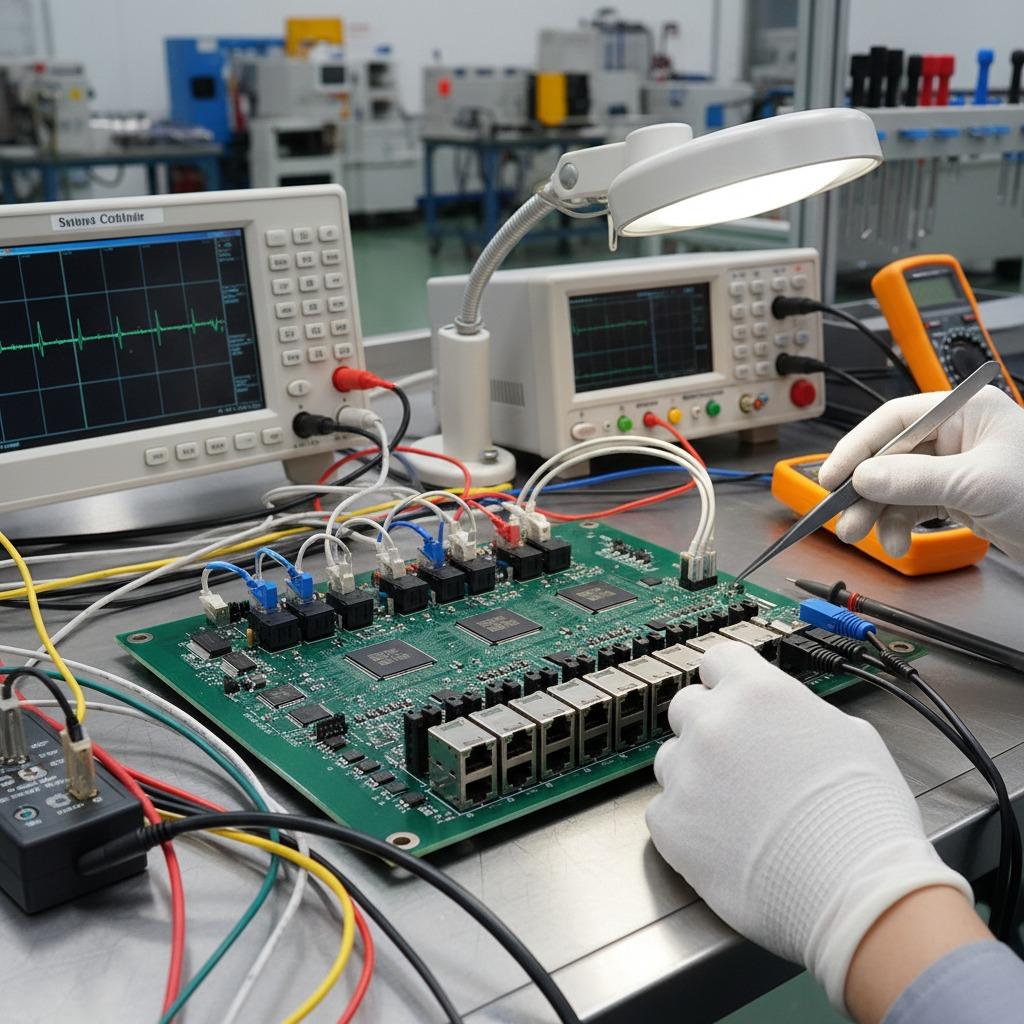
High-resolution surveillance products tend to expose weak manufacturing discipline. Fine-pitch parts, dense routing, power noise, and thermal concentration all place pressure on the assembly process. That is where a one-stop manufacturing flow helps, especially when the board needs PCB fabrication, SMT placement, parts sourcing, assembly, and testing under one roof.
hcdpcba describes support for SMT assembly, PCB prototyping, component sourcing, assembly, testing, and DFMA services. For buyers, the value of that kind of setup is not marketing polish; it is fewer handoffs. Fewer handoffs usually mean fewer misbuilds, cleaner traceability, and a better chance of catching design-for-manufacture issues before they become field failures.
There is also a straightforward commercial benefit. A team that can review design for manufacturability and assemblability early may reduce scrap, rework, and surprise delays. In electronics manufacturing, those surprises are rarely small.
Selection criteria for engineers and sourcing managers
If you are evaluating a supplier for a surveillance board program, the useful questions are usually concrete.
Can the factory support both small pilot runs and higher-volume production? Can it manage component procurement without compromising part authenticity or traceability? Does it offer testing that goes beyond a power-on check? And can it handle confidentiality if the product is still under development? hcdpcba states that it offers rapid response, quality control, cost-oriented production, and one-to-one service with confidentiality measures. Those are the kinds of capabilities that matter when a camera product is moving from prototype to market-ready hardware.
Another point worth checking is mechanical integration. Camera boards are often boxed into tight spaces, and the difference between a design that fits on paper and one that fits on the line is not trivial. Connector placement, sensor alignment, and thermal clearance can all create delays if they are handled too late.
Common mistakes in high-resolution surveillance board projects
The first mistake is overvaluing pixel count and undervaluing image usability. A 5MP output that smears motion or breaks down in low light is not a strong product. The second is ignoring the recorder, network, or storage path. The third is waiting too long to ask the assembly partner about DFMA, test strategy, and sourcing risks.
There is also a softer mistake: assuming that all camera boards are interchangeable because they “look similar.” In surveillance hardware, similarity can be misleading. A small change in sensor choice, power rail design, or IR support can alter the whole product experience.
When one-stop assembly becomes the sensible option
For many teams, especially those working on a product launch or a hardware refresh, a One-stop Surveillance PCB Assembly approach is the most practical route. It compresses procurement, assembly, and testing into a more manageable process. That does not remove engineering responsibility, of course, but it does make the supply chain easier to control.
hcdpcba’s service profile suggests exactly that kind of integrated support: SMT placement, custom PCBA for different board types, component procurement, assembly, testing, OEM/ODM support, and design-for-manufacture guidance. For product teams trying to bring a camera platform to market without losing months to avoidable manufacturing issues, that is the right category of supplier to investigate.
FAQ: short answers buyers usually need
Is 4K always better than 5MP?
Not automatically. The better choice depends on the scene, lens, storage limits, and processing budget. Some products gain more from a well-tuned 5MP design than from a poorly supported 4K one.
Does night vision require a separate board?
Not always, but IR support has to be designed into the system carefully. A Night Vision IR PCBA should be evaluated as part of the full optical and electrical design.
Should camera boards and recorder boards be sourced together?
When possible, yes. Camera and recorder compatibility is one of the easiest places for hidden integration problems to appear.
A practical next step
If you are specifying a new surveillance product or revising an existing one, start with the system architecture rather than the headline resolution. Confirm how the camera PCBA, IR features, recorder motherboard, assembly flow, and test plan fit together. Then ask the manufacturer to review the design for manufacturability before production freezes.
For teams that want a single partner for PCB fabrication, SMT assembly, sourcing, and testing, hcdpcba is positioned as a full-service manufacturing contact. In a category where details decide field performance, that kind of support is often the difference between a board that simply powers on and a product that holds up in real installations.