Resolution, lens, field of view, interface compatibility
Main Processor
Image processing capability, system performance
Memory
Operating system and application requirements
Wireless
Wi-Fi/Bluetooth connectivity
PCBA
Component placement, signal integrity, manufacturing
Power System
Voltage stability, power consumption
Thermal Design
Heat dissipation and operating temperature
Firmware
Camera control, display control, device functions
Testing
Functional validation and reliability
Projector + Camera Combined ODM Solution Comparison
When selecting an ODM partner, buyers should compare technical capability rather than only quotation price.
Evaluation Factor
Basic Electronics Supplier
Projector + Camera ODM Partner
PCB Assembly
✓
✓
SMT Manufacturing
✓
✓
Component Sourcing
Limited
Integrated support
DFMA Review
Limited
Engineering optimization
Camera Integration
May require external support
Product-level coordination
Projector Understanding
Limited
Optical/electronic collaboration
Prototype Support
Depends on supplier
Structured development process
Testing
Basic inspection
Customized functional testing
OEM/ODM Capability
Limited
Full project support
Mass Production Support
Depends on capacity
Production planning
For brands developing smart imaging products, the right supplier should reduce integration complexity instead of becoming another independent component vendor.
Cost Factors of Projector + Camera ODM Development
The cost of a combined projector and camera ODM solution depends on multiple technical and commercial factors.
Optical System Cost
Affected by:
projection technology
throw ratio
brightness requirement
resolution
optical precision
calibration requirements
Camera System Cost
Affected by:
sensor selection
lens specification
image-processing requirements
interface type
software requirements
Electronics Manufacturing Cost
Affected by:
PCB complexity
component quantity
SMT process
BGA/QFN packages
testing requirements
production volume
Development Cost
Affected by:
engineering involvement
prototype quantity
tooling requirements
firmware integration
validation cycles
OEM buyers should evaluate total project cost instead of only the unit price of one module.
A cheaper component may create additional costs if it causes:
redesign
supply problems
unstable production
poor product reliability
Common Risks in Projector + Camera ODM Projects
Risk 1: Optical and Mechanical Conflict
The camera and projector share limited internal space.
Solution:
complete mechanical planning early
validate module dimensions
perform prototype testing
Risk 2: Poor Camera Performance After Final Assembly
A camera module may perform well alone but differently after integration.
Possible causes:
enclosure reflection
lens position changes
heat influence
electromagnetic interference
Solution:
validate the complete product instead of individual components only
Risk 3: Component Supply Risk
Smart electronics products often rely on specialized components.
Potential problems:
chip shortages
lifecycle changes
unexpected substitutions
Solution:
define approved components
review alternatives
maintain supply-chain visibility
Risk 4: Manufacturing Quality Variation
Optical products are sensitive to assembly differences.
Important controls include:
process control
inspection
calibration
functional testing
production validation
Why OEM Brands Choose ODM Instead of Independent Development
Building a projector camera product internally requires expertise across:
optical engineering
electronic design
embedded systems
firmware
mechanical design
manufacturing
supply chain
quality control
For many brands, an ODM partnership provides:
faster product development
lower engineering burden
reduced manufacturing risk
easier supply-chain management
scalable production capability
The ODM model allows companies to focus more on:
product positioning
market development
customer relationships
while the manufacturing partner manages technical execution.
How HCDPCBA Supports Projector and Camera Electronics Projects
For projector and camera combined ODM projects, HCDPCBA can support the electronics manufacturing side, including PCB development, assembly, sourcing coordination, and production preparation.
However, the exact optical module, camera specification, processor platform, firmware requirements, and finished-product functions should be confirmed separately for each project.
Questions to Ask Before Choosing a Projector + Camera ODM Partner
What experience does the supplier have with projector-related electronics?
A supplier should understand the relationship between projector hardware, PCBA, power systems, interfaces, and testing requirements.
Can the supplier support prototype-to-mass production?
A strong partner should support multiple development stages instead of only final assembly.
Can the supplier handle BOM sourcing?
Component sourcing capability can reduce communication complexity and supply risks.
How does the supplier control manufacturing quality?
Ask about:
inspection process
testing methods
production control
traceability
Can the supplier support customized designs?
ODM projects often require customization of:
PCB
interfaces
mechanical structure
product functions
How does the supplier protect customer information?
OEM buyers should confirm how design files, BOM data, firmware, and project information are protected.
What information is needed for quotation?
Usually required:
product requirements
technical specifications
PCB files
BOM
prototype quantity
target production volume
testing requirements
Can projector and camera systems be customized together?
Yes, but successful integration requires coordination between optical, electronic, mechanical, and software requirements.
What is the difference between OEM and ODM projector development?
OEM usually focuses on manufacturing according to customer designs, while ODM includes deeper involvement in product development and engineering optimization.
How early should manufacturers be involved?
The earlier an ODM partner joins the project, the easier it is to identify manufacturing risks, optimize design, and control production costs.
FAQ
What is a projector + camera combined ODM solution?
It is a product development approach where an ODM partner helps integrate projection hardware, camera modules, electronics, manufacturing, and testing into a complete smart imaging device.
What products use projector and camera integration?
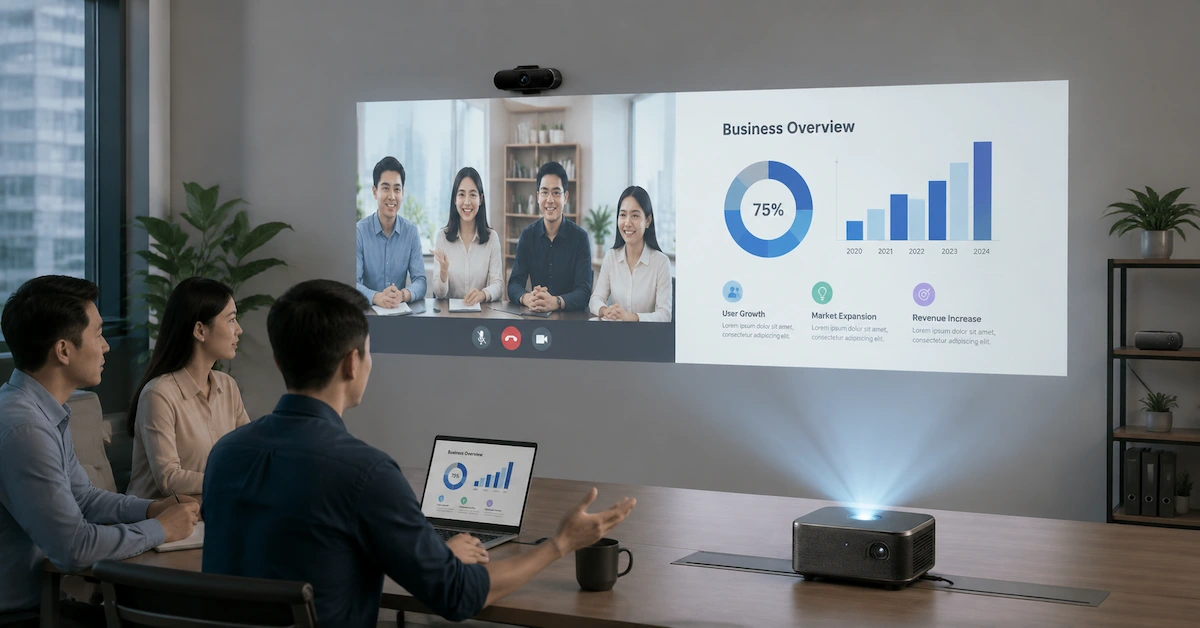
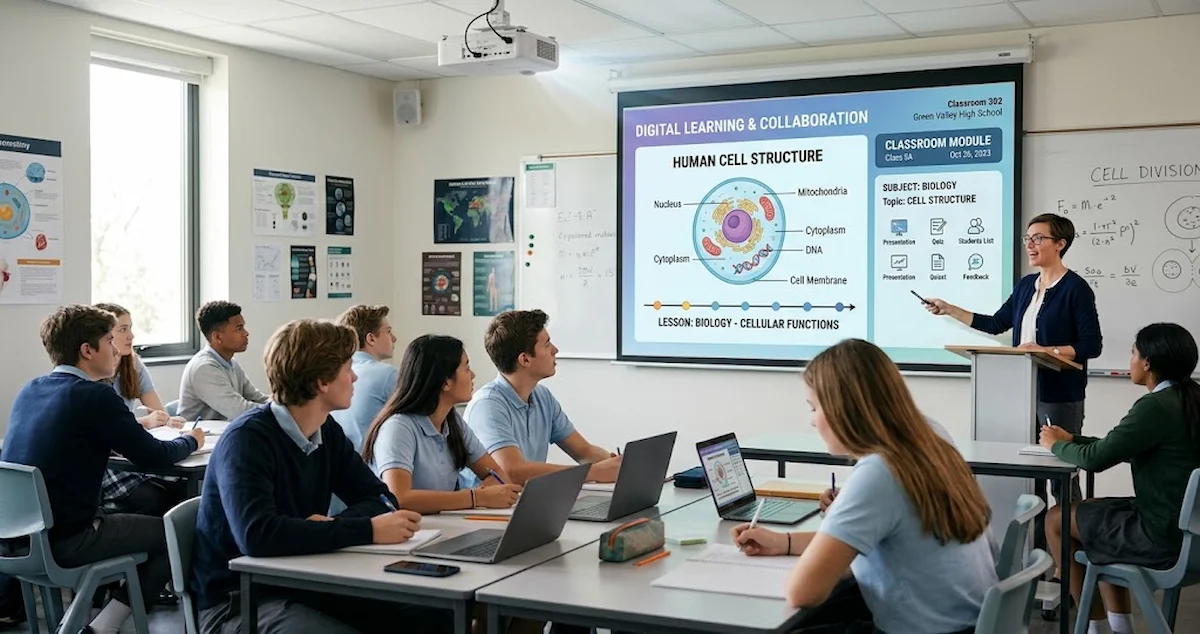
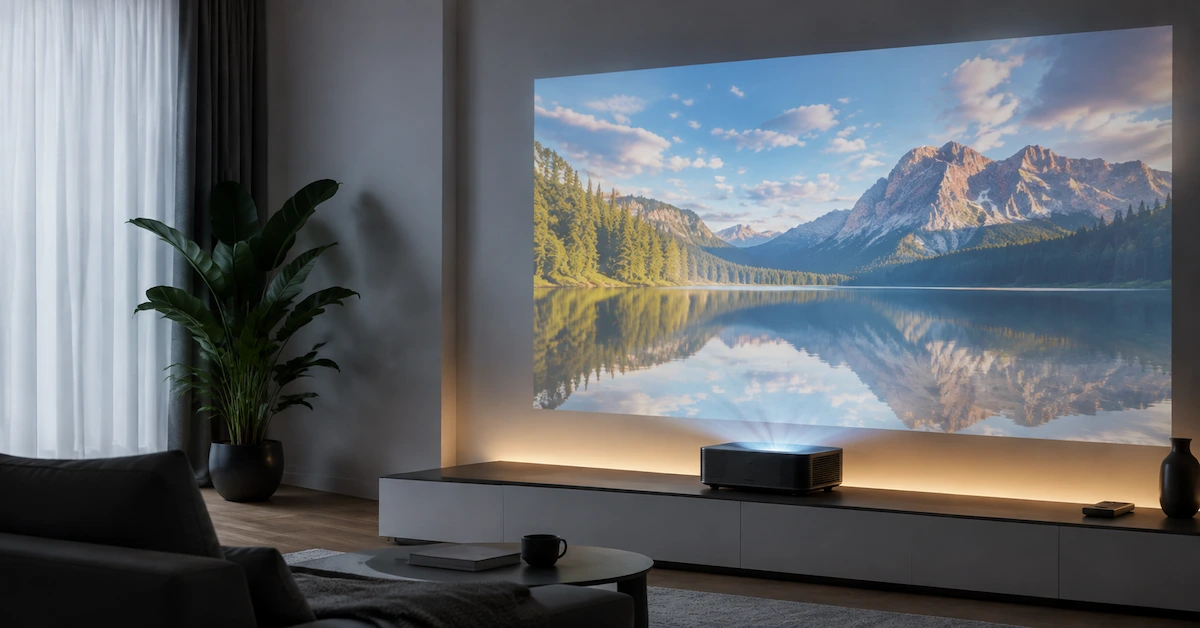
Common applications include interactive projectors, smart home projectors, education systems, business collaboration devices, and intelligent display products.
Why choose ODM instead of developing everything internally?
ODM reduces the need to manage multiple suppliers and allows brands to use existing manufacturing and engineering capabilities.
Does a projector camera product require custom PCBA?
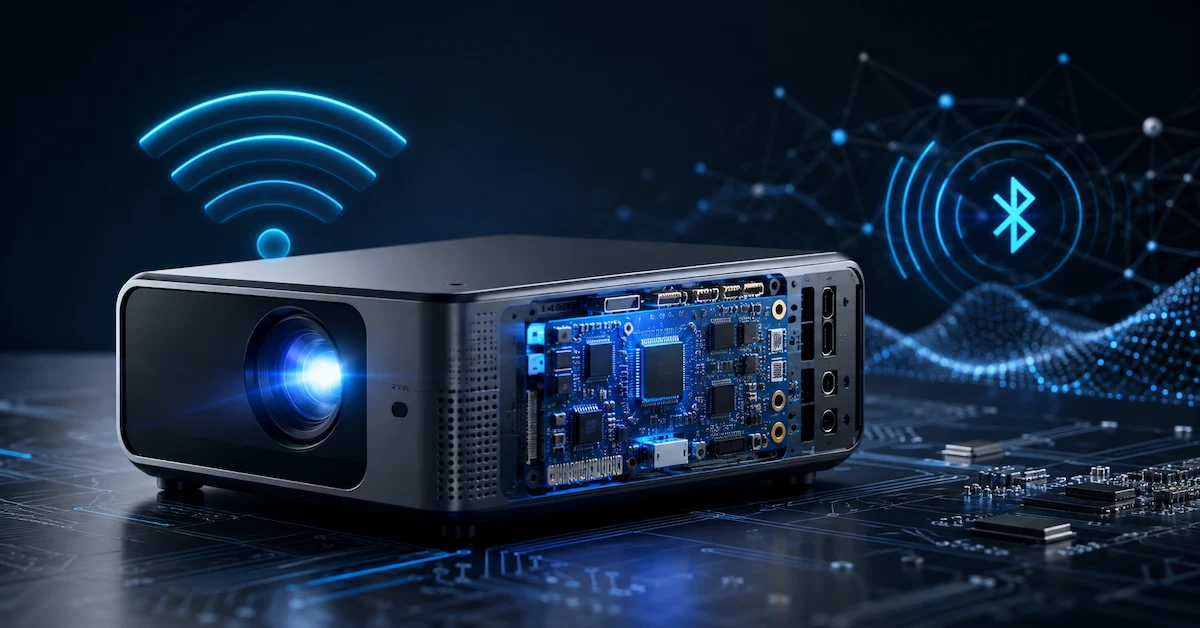
Many integrated products require customized PCBA because the board must coordinate the projector system, camera module, power supply, and communication functions.
What affects the cost of a projector camera ODM project?
Main factors include optical requirements, camera specification, PCB complexity, component selection, testing requirements, customization level, and production volume.
Can HCDPCBA provide complete projector camera products?
HCDPCBA provides electronics manufacturing, PCBA, SMT, testing, and OEM/ODM support. Specific complete product development requirements should be evaluated based on project specifications.
What files are required for an ODM quotation?
Typical information includes product requirements, technical specifications, BOM, PCB files, mechanical information, prototype quantity, and production expectations.
How can companies reduce development risks?
Early engineering review, DFMA, prototype validation, supplier evaluation, and production testing planning can reduce risks.
What industries need projector camera solutions?
Industries include education technology, consumer electronics, smart home, commercial display, and interactive equipment.
How long does projector camera ODM development take?
The timeline depends on product complexity, customization level, prototype requirements, testing cycles, and production planning.
Conclusion
A projector + camera combined ODM solution requires much more than combining a projector module with a camera module.
Successful products depend on coordination between:
optical design
camera integration
PCBA engineering
component sourcing
thermal management
firmware
testing
manufacturing scalability
For OEM brands, choosing the right ODM partner can significantly reduce development risks and improve the transition from prototype to mass production.
HCDPCBA provides PCB, PCBA, SMT, DFMA, component sourcing, testing, and OEM/ODM manufacturing support for electronics projects. Companies developing smart projectors, camera-enabled devices, or integrated imaging products can evaluate HCDPCBA as an electronics manufacturing partner.