AI视觉PCBA提供稳定的图像处理和实时数据性能

  • 博客
Posted by Hechengda On Mar 12 2026

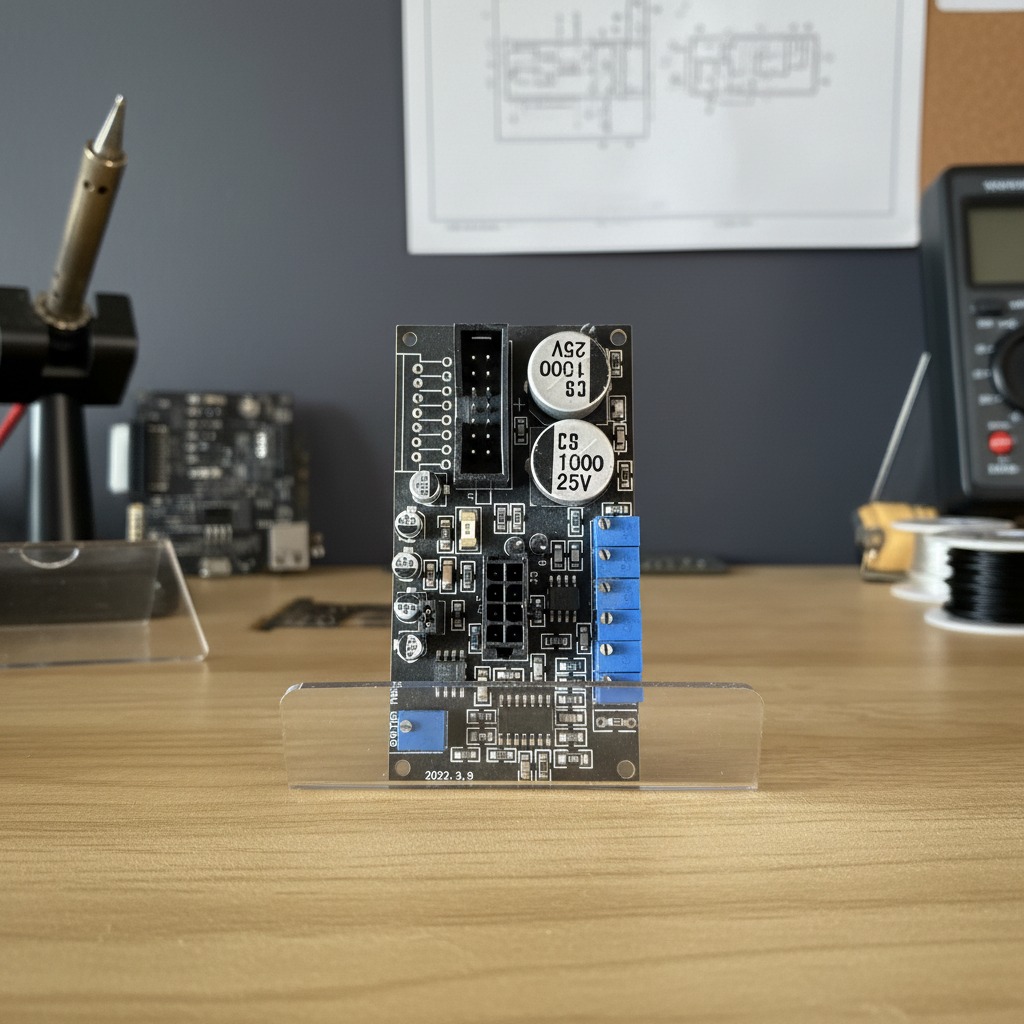
AI视觉PCBA

现代 人工智能 愿景 系统 依靠连续图像采集和高速度数据处理。 相机捕获大型卷 视觉信息必须 传输、处理、和分析无中断。 在 真实部署中 —此类 如工业检测、智能监控、和自主设备—任何不稳定在硬件可以引导到数据损失或不正确分析。

许多AI 硬件团队仅在之后系统问题仅 class="BZ_Pyq_fadeIn">开始在真实工作负载下操作。 图像延迟增加,传感器通信变得不一致、或处理单位油门由于到局部热量累积。 这些问题很少引起通过相机传感器本身。 在许多案例中,它们起源来自董事会-级别设计限制。

A 好吧-工程化AI 愿景PCBA 地址这些挑战通过协调信号路由, 传感器接口设计、和热分发在董事会架构内。 通过调整这些因素尽早开发我们的工程团队确保图像数据流动平滑从传感器到处理器均匀下连续处理工作负载。


为什么愿景处理硬件需求专业PCBA 设计

与传统嵌入式主板不同, 视觉硬件必须手柄恒定流图像数据。 A 单高分辨率传感器可以生成数百兆字节数据每秒。 当多个传感器或神经处理器集成到 相同主板,硬件必须维持极度稳定沟通路径。

小布局不完美那个会微不足道在其他系统可以变得关键在愿景应用程序。 对于示例,轻微阻抗不一致沿着传感器数据行可能引入噪声或时序不匹配中断帧同步。

A 可靠人工智能 愿景PCBA 因此重点于保持一致信号时序传感器模块、处理单元、和内存接口。 当布线对称和阻抗时控制正确实现,系统经常展示可衡量的改进 帧稳定性和减少数据传输错误。

工程团队实施这些实践通常参见15–20% 改进中高速度信号稳定性与与传统路由方法。


材质和结构设计视觉处理电路板

材料系统PCB 强烈影响两者信号行为和热性能。 愿景系统经常操作在紧凑型外壳产生热量热量 由处理器、传感器、和内存累积快速。

标准 FR-4 层压板 仍然广泛使用,但是更高-性能材料经常选择选择当信号频率或热负载增加。 低-损耗电介质材料帮助保留信号质量跨长传感器-到-处理器连接,同时加厚铜层数改善电流处理和热传播。

堆栈-向上架构是同样同样重要。 多层结构允许设计师到隔离敏感图像传感器信号来自开关电源电路。 在典型愿景处理电路板, 专用地面飞机稳定信号参考路径和减少电磁干扰。

何时这些结构性注意事项合并融入AI 愿景PCBA,系统增益两者电气稳定性和改进了散热平衡,其中对于连续图像处理至关重要。


管理传感器数据通过高-速度接口

图像 传感器 与 通信 处理单位通过高速度接口此类MIPI CSI 或类似高带宽协议。 这些接口要求极其一致迹线几何和差分路由。

如果跟踪长度不同明显或参考平面是中断,信号偏斜可能发生。 此可能导致丢弃帧或同步出现错误出现间歇性在操作期间。

在一个稳健AI 视觉PCBA、信号路由仔细匹配到保持一致的传播时序。 差异配对长度-匹配, 阻抗-受控层使用 对于传感器数据通道,以及返回路径保留到最小化噪声耦合。

这些设计实践帮助维持稳定帧传输和减少间歇性概率间歇性数据错误复杂视觉系统。


热管理中连续视觉处理

人工智能愿景硬件经常连续运行,尤其是在工业检查或安全应用程序。 此持续工作负载意味着处理器和加速器产生热量 延长期间。

没有仔细热规划,热量累积周围计算集群和传感器接口,最终降级性能。 均匀一个温度增加的15–20°C 可以减少半导体寿命显着。

热优化内AI 愿景 PCBA 包括平衡铜分布,热通过阵列高功率组件、和战略组件放置至避免热量浓度。

在实用部署这些措施频繁减少本地化热点温度 由 10–25°C、允许系统maintain stable performance under prolonged operation.


Manufacturing Consistency and Image Processing Stability

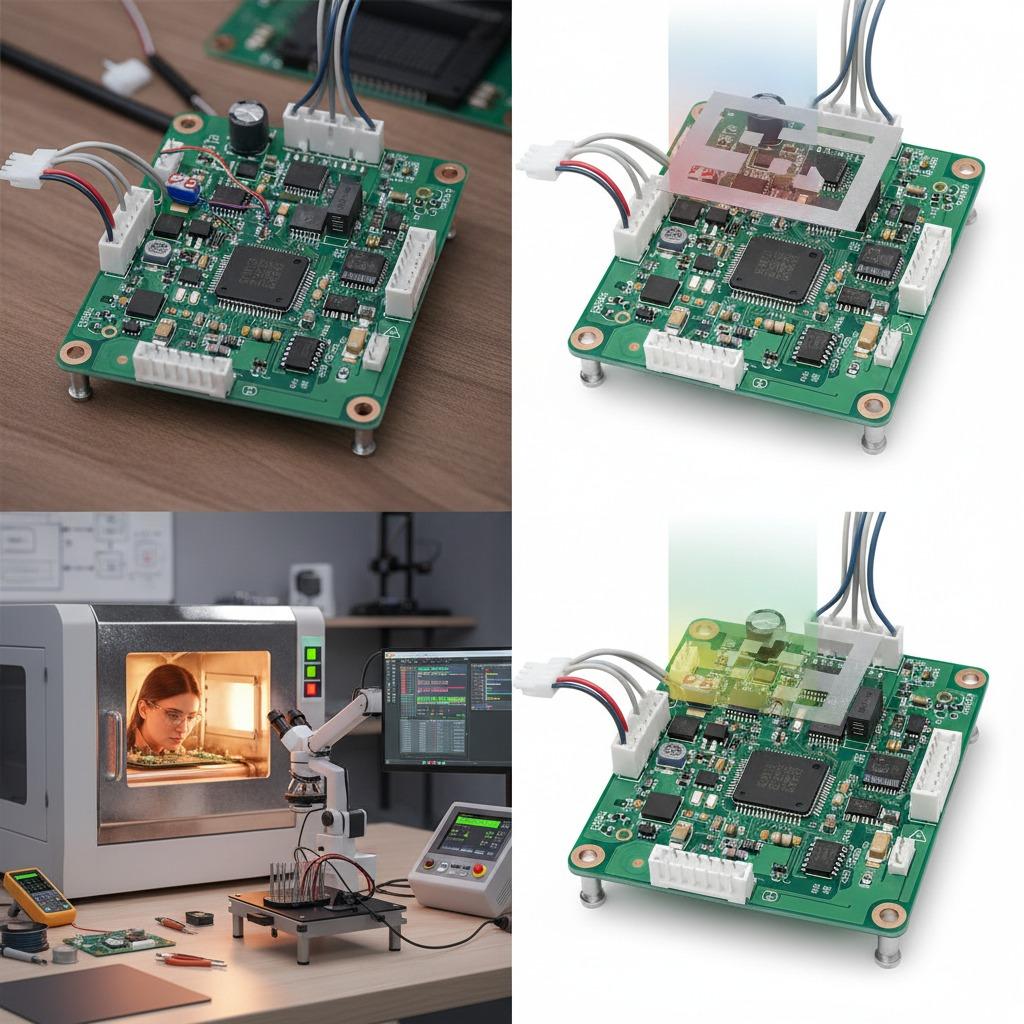
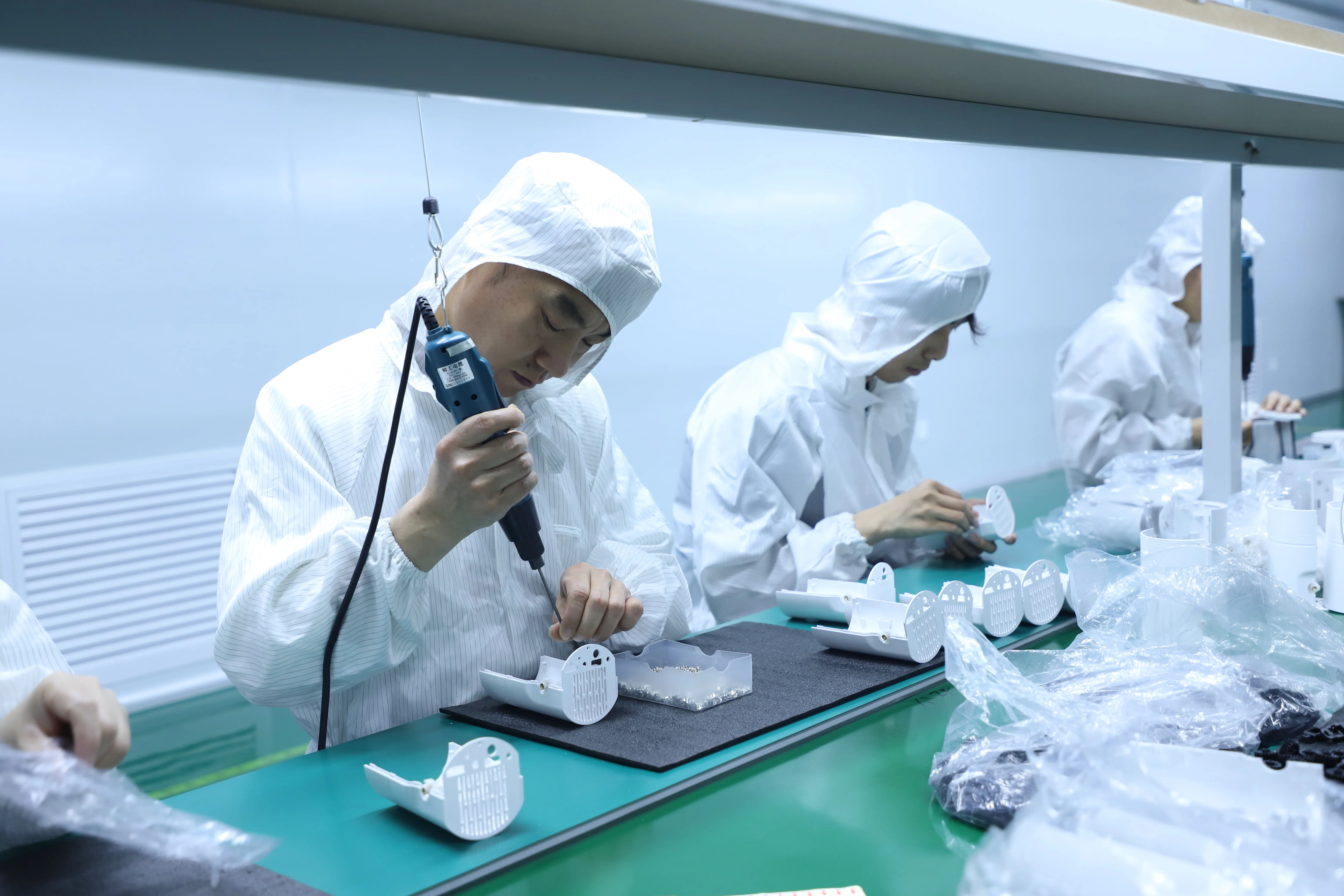
Vision hardware is sensitive to small electrical variations introduced during manufacturing. Minor differences in solder volume or component alignment can influence signal impedance or thermal contact.

Maintaining consistent assembly conditions is therefore essential. Stable stencil design, accurate component placement, and controlled reflow profiles ensure that each production batch behaves electrically the same way.

Manufacturing Factors Influencing Vision PCBA Performance

Through these controls, a production-ready AI vision PCBA maintains stable image processing performance even as manufacturing volumes increase.


Compliance and Reliability Considerations

Vision systems deployed in commercial environments must also meet regulatory standards for electromagnetic compatibility and electrical safety. High-speed data signals and switching power circuits can generate significant electromagnetic emissions if not carefully managed.

By integrating grounding strategies, layer isolation, and shielding structures into the board architecture, designers can reduce the risk of failing certification tests. Designing compliance requirements into the PCBA stage significantly shortens the path to product deployment.


Frequently Asked Questions

Q1: Why do AI vision systems sometimes lose frames or experience latency?
Signal integrity problems or thermal throttling at the PCBA level can disrupt high-speed sensor communication.

Q2: Does PCB material affect camera data quality?
Yes. Signal loss and impedance variation in PCB materials influence high-speed sensor communication.

Q3: Can manufacturing variation affect image processing stability?
Yes. Even small assembly variations can influence signal timing and thermal behavior.


Why Vision System Reliability Begins at the PCBA Level

A well-designed AI vision PCBA ensures that image sensors, processors, and memory communicate reliably under real operating conditions. When signal integrity, thermal distribution, and manufacturing discipline are aligned, AI vision systems deliver consistent performance even in demanding environments.

If you want to evaluate how board-level architecture influences the reliability and scalability of vision hardware, reviewing real PCBA capabilities is a practical starting point. You can learn more about our engineering and manufacturing experience here:
👉 https://www.hcdpcba.com

For projects involving AI cameras, machine vision systems, or real-time image processing hardware, discussing your requirements early can significantly reduce development risk. Our engineering team is available for consultation here:
👉 https://www.hcdpcba.com/en/contact-us

精选博客
无线充电线圈PCBA:用于加热和充电的USB-C模块

无线充电线圈PCBA:用于加热和充电的USB-C模块

1. 为什么越来越多的产品开始采用 USB-C 供电的散热和充电板? 2. 根据产品类别,这些板子的功能是什么? 3. 二合一板子应该关注哪些方面? 4. 为什么 USB-C 输入现在已成为实用的默认选项? 5. 比营销文案更重要的制造细节 6. 买家常犯的错误 7. hcdpcba 如何融入这类项目? 8. 采购团队的下一步实际操作 9. 常见问题解答

用于镜面灯和家具控制的蓝牙音箱PCBA

用于镜面灯和家具控制的蓝牙音箱PCBA

1. 为什么蓝牙音箱PCBA在家具和镜面产品中很重要? 2. 图中所示电路板是什么? 3. 这些模块的应用场景 4. 设计定稿前需要考虑哪些因素? 5. 常见的采购误区 6. 为什么制造质量至关重要? 7. 向供应商提出哪些实用问题? 8. OEM和ODM买家的下一步行动

用于离线语音控制开关的智能家居语音模块

用于离线语音控制开关的智能家居语音模块

1. 在确定设计方案之前,智能家居语音模块为何如此重要? 2. 该模块旨在解决什么问题? 3. 买家需要快速了解的关键信息 4. 语音控制开发板的典型用途 5. 定制PCB组装的真正意义 6. 比营销宣传更值得关注的选择标准 7. 买家常犯的错误 8. 工程和采购团队的下一步实际操作

用于离线语音控制开关的智能家居语音模块

用于离线语音控制开关的智能家居语音模块

1. 在确定设计方案之前,智能家居语音模块为何如此重要? 2. 该模块旨在解决什么问题? 3. 买家需要快速了解的关键信息 4. 语音控制开发板的典型用途 5. 定制PCB组装的真正意义 6. 比营销宣传更值得关注的选择标准 7. 买家常犯的错误 8. 工程和采购团队的下一步实际操作

小型家电控制板的PCB设计和SMT组装

小型家电控制板的PCB设计和SMT组装

1. 为什么PCB设计和SMT贴片组装决定了小型家电的质量? 2. 这类控制板的预期功能是什么? 3. SMT贴片组装不仅仅是生产环节 4. 采购团队首先应该关注哪些方面? 5. 家电PCB项目中常见的错误 6. 这类电路板在市场上的定位 7. 进入原型制作阶段前的采购建议 8. 常见问题解答 9. 产品团队的下一步工作

SMT贴片:现代电子制造的核心

SMT贴片:现代电子制造的核心

1. 理解现代电子产品的核心:SMT贴片 2. SMT工艺流程详解 3. 精密定位背后的技术 4. 为什么SMT在电子制造领域占据主导地位 5. 电路组装的未来

logo
  • 地址: 5th Building, 1st-2nd Floor, Industry-Academia-Research-Application Park, Quannan County, Ganzhou City, Jiangxi Province
  • 电话: +86 18924624188
  • 网上商城: rick@hcdpcba.com
  • WhatsApp: +86 18924624188
  • 微信: SZ123188R

注册电子邮件

注册即可第一时间获取新品上市、促销活动、独家内容、精彩活动等资讯!

© 2025 Ecomus。版权所有。HechengdaHechengdaHechengdaHechengdaHechengda

家

产品

中心

接触

大车

Manufacturing Factor Control Method Typical Impact
Differential routing Length-matched layout Reduced signal skew
Layer structure Controlled impedance stack-up 15–20% signal stability improvement
Copper distribution Balanced thermal paths Lower hotspot formation
Component placement Precision placement accuracy Stable sensor interface performance
Process consistency Controlled reflow conditions Reduced batch variation