
IATF 16949 Automotive PCB & PCBA Overview
IATF 16949 Automotive PCB & PCBA is the kind of build buyers look for when an electronic module must survive more than just a clean lab bench. In automotive and vehicle-adjacent systems, the real problem is not only making a board work once, but keeping signal routing stable, solder joints consistent, and assembly quality repeatable across production lots. That is where a disciplined PCB and PCBA service matters: it supports control boards, interface modules, and embedded electronics that must fit into demanding environments without unexpected failures.
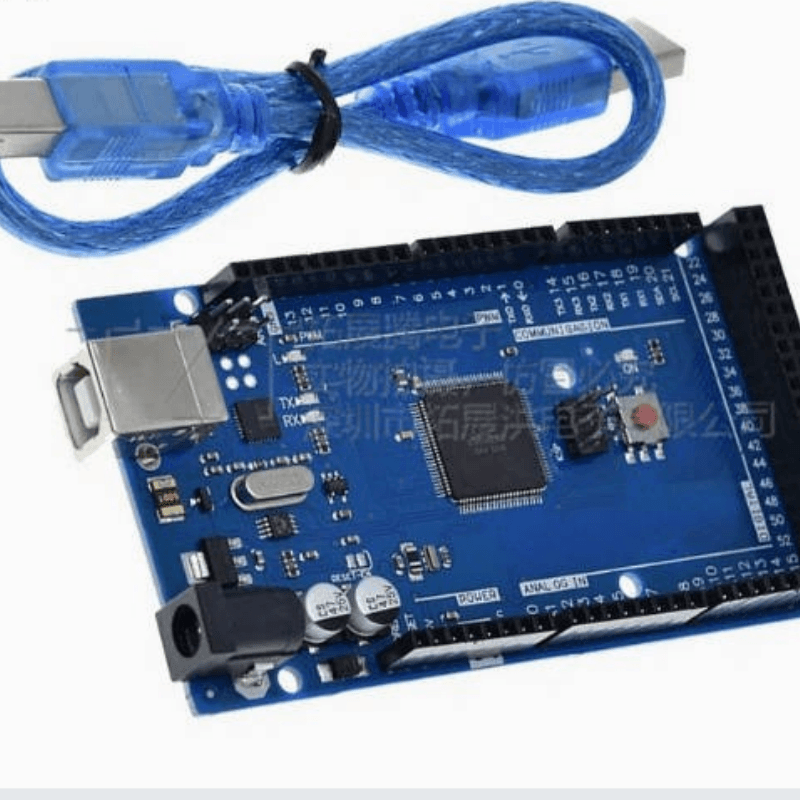
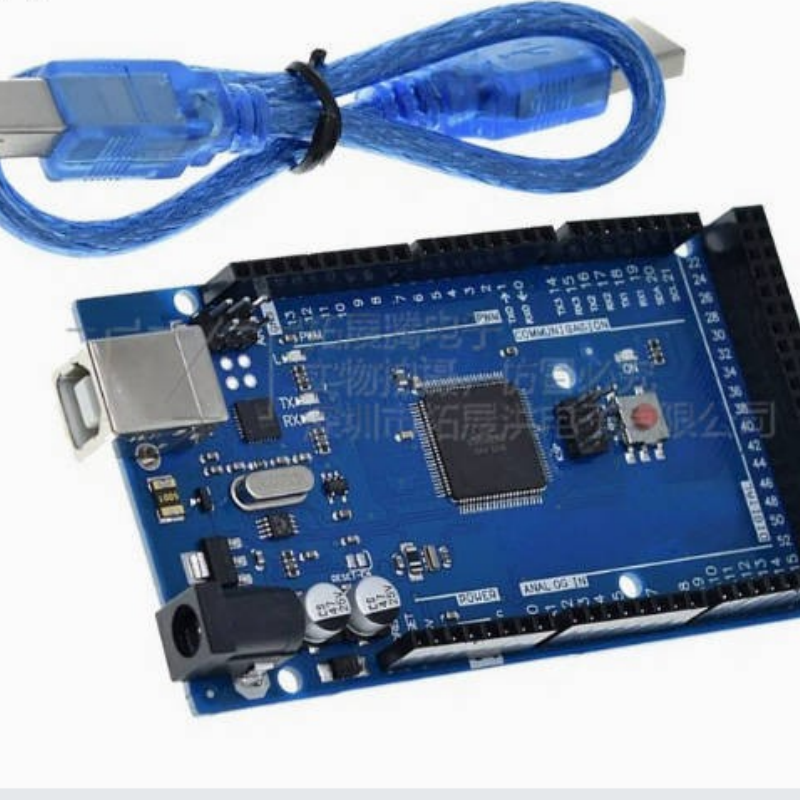
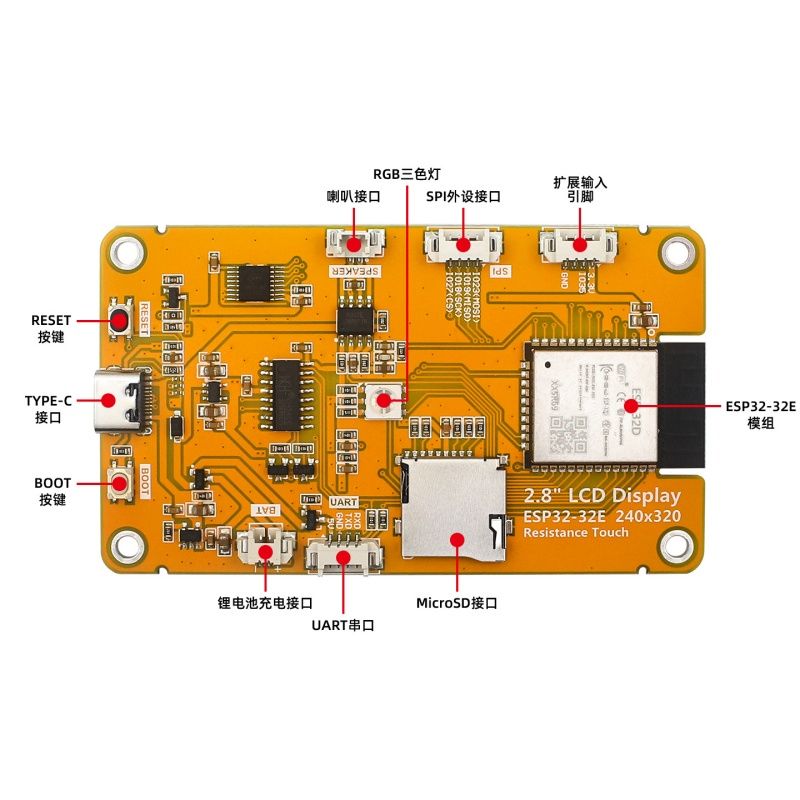
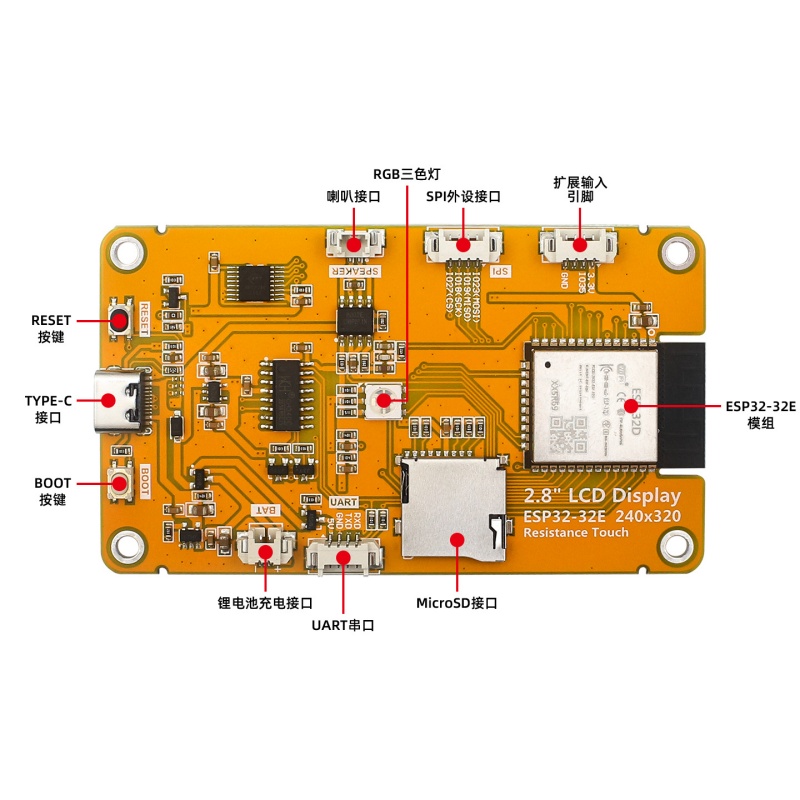
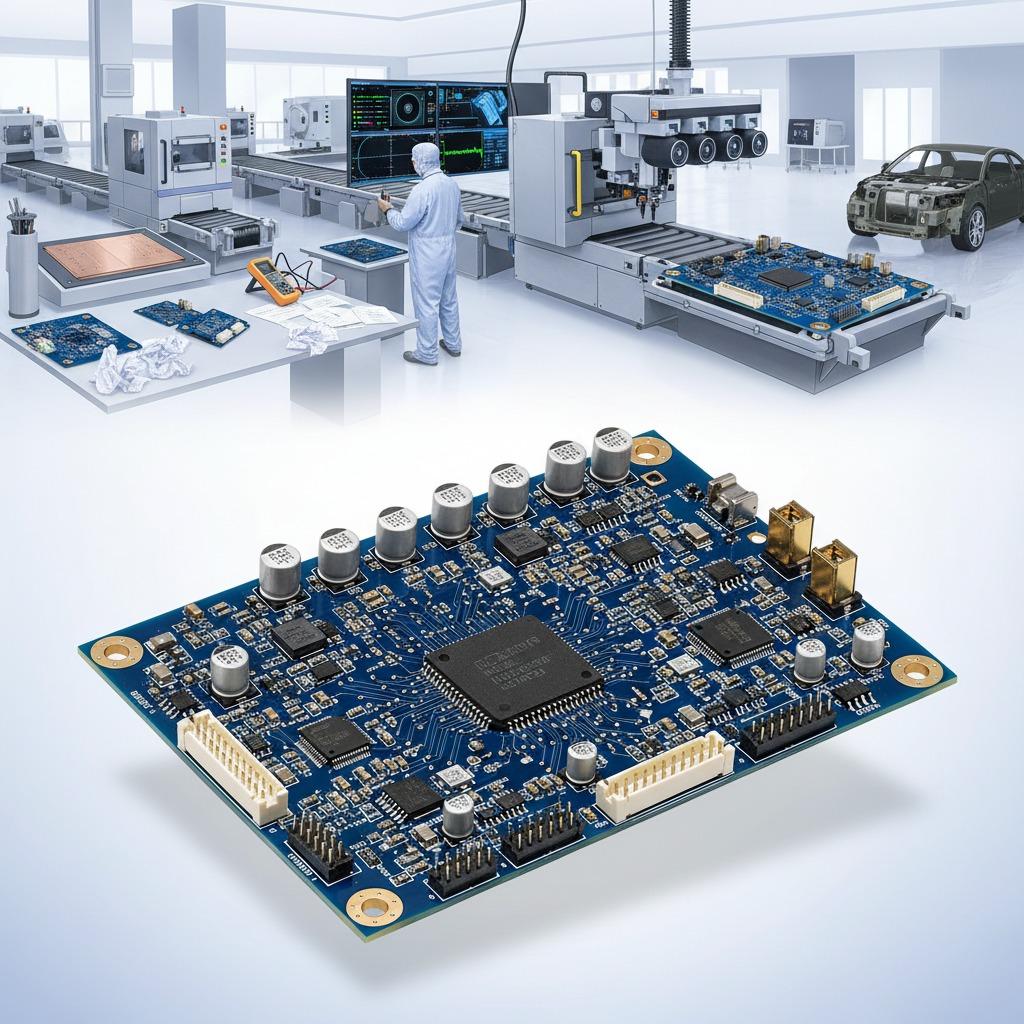
hcdpcba provides PCB fabrication, SMT assembly, component sourcing, testing, OEM, and ODM support. Based on the visible product category, this board is a rigid printed circuit board assembly with dense surface-mount placement, a central controller-style IC, smaller support chips, fine trace routing, and board connectors. The image suggests a practical control or processing board rather than a decorative or simple power board.
Product Overview
This type of automotive PCB PCBA is built to route power and signals between integrated circuits, passive devices, and connectors. The visible blue solder mask, white silkscreen, gold-colored contact points, and compact component layout indicate a board designed for organized signal distribution. For buyers, the value is clear: one assembly can combine electrical interconnect, mounting structure, and functional electronics into a single manufactured unit.
Although the exact end-use device is not identifiable from the image, the structure is consistent with embedded control systems, industrial electronics, consumer appliances, communication modules, and prototype assemblies. The board shows a central high-pin-count package, which usually means the design depends on careful fan-out routing and clean assembly work.
Key Capabilities and Visible Specifications
Board structure
The assembly appears to use a rigid laminated substrate, likely fiberglass-reinforced material such as FR-4, though that cannot be confirmed directly from the image. Fine copper traces are visible across the surface, and the layout suggests a dense routing strategy typical of modern electronic control boards. Multiple mounting holes and board-edge connectors support integration into a housing or system chassis.
Assembly density
Surface-mount components dominate the board. A larger central IC is surrounded by smaller chips, resistors, capacitors, and at least one cylindrical electrolytic capacitor. This mix is common in processing, timing, power conditioning, and interface sections. The placement appears compact and orderly, which is important when buyers need predictable assembly repeatability.
Connectivity
Gold-plated contact areas and board-mounted connectors suggest the board is intended for reliable mating with another module, cable harness, or test fixture. In automotive and industrial projects, connector quality is often as important as the circuit itself because vibration and repeated insertion can affect long-term stability.
Materials and Finish Options
The visible finish is a blue solder mask with exposed copper/gold-colored pads and white reference markings. For production work, buyers often choose material and finish based on environment, solderability, and longevity. Common options in the industry may include standard rigid laminates, surface finishes selected for solder joint reliability, and board colors chosen for inspection clarity or brand preference. Exact material grades and finishes should be confirmed during engineering review because they affect cost, processing window, and end-use reliability.
hcdpcba supports custom PCB and PCBA services for multi-layer boards, HDI boards, and high-frequency boards as part of its broader manufacturing scope. That makes it suitable for projects that need more than a simple one-off build.
Manufacturing Process
A board like this normally passes through PCB fabrication, solder mask application, surface finish preparation, SMT placement, and reflow soldering. If through-hole parts are included, they may be added through selective soldering or wave soldering depending on the design. After assembly, the board is commonly inspected for placement accuracy, solder joint quality, and obvious routing or polarity issues.
Where automotive or high-reliability electronics are concerned, the manufacturing process often includes extra attention to cleanliness, traceability, and process control. hcdpcba also offers DFMA support, which helps reduce assembly risk before mass production begins. That can be especially useful when a design has dense routing near fine-pitch ICs or tight connector spacing.
Application Scenarios
This category of high reliability auto electronics PCB PCBA can be used in automotive control subsystems, though the exact application must be verified by the customer’s design files. Beyond vehicles, the same construction style is common in industrial controls, sensor interfaces, communications devices, automation modules, and prototype electronics.
Buyers often choose this type of assembly when they need a compact board that can manage logic processing, analog interfaces, or signal conversion in a limited enclosure. The visible layout, with its organized component clustering and edge connectors, fits that kind of role well.
Quality Control and Manufacturing Discipline
For a board in this class, quality control is not a formality. It is the difference between stable field performance and costly rework. A practical QC flow usually includes incoming material checks, solder paste and placement monitoring, post-reflow inspection, and electrical testing where the design allows it. hcdpcba states that it offers testing services and quality assurance, which is important for buyers who need consistent output across pilot runs and larger orders.
When sourcing an IATF 16949 Certified Car Circuit Board solution, buyers should still confirm the exact scope of certification, since certification applies to company processes and specific manufacturing systems rather than automatically to every board image. The safest path is to review the actual production documents, test plans, and traceability requirements before release.
Customization Guidance for Buyers
To get the best result from an automotive PCB and PCBA project, start with the board’s real operating environment. Share the enclosure size, connector orientation, expected vibration, thermal conditions, and any compliance targets. If the product must interface with sensors, actuators, displays, or vehicle subsystems, that information helps determine stack-up, component selection, and assembly constraints.
Buyers should also consider whether they need PCB prototyping first or direct volume assembly. hcdpcba provides PCB sampling, SMT assembly, component sourcing, and OEM/ODM support, so it can assist from early validation through production. If the design has tight pitch or special routing around a central controller, DFMA review can save time by catching manufacturability issues early.
Why Buyers Evaluate This Type of Board
Selection is usually based on four practical points: electrical stability, assembly consistency, mechanical fit, and supply-chain control. A board with clear trace routing, properly placed components, and reliable connectors can simplify system integration. If the project needs one-stop delivery, Automotive PCB PCBA One-Stop Manufacturing is often preferred because it reduces handoffs between design, sourcing, assembly, and test.
For programs that demand stable production and clean documentation, a partner with experience in High Reliability Auto Electronics PCB PCBA work can be a strong fit. That is especially true when the bill of materials is sensitive, the board is densely populated, or the customer wants both prototype and mass-production support from the same supplier.
Contact and Next Step
If you are building a control board, embedded module, or vehicle electronics assembly, hcdpcba can support PCB fabrication, SMT placement, component sourcing, testing, and custom production. Share your Gerber files, BOM, Gerber notes, assembly drawings, or sample photos to begin evaluation. For direct communication, the company provides telephone contact at +86 18924624188.
Send the project requirements, and the team can help turn a circuit concept into a manufacturable PCB assembly with the level of care that demanding electronics programs require.