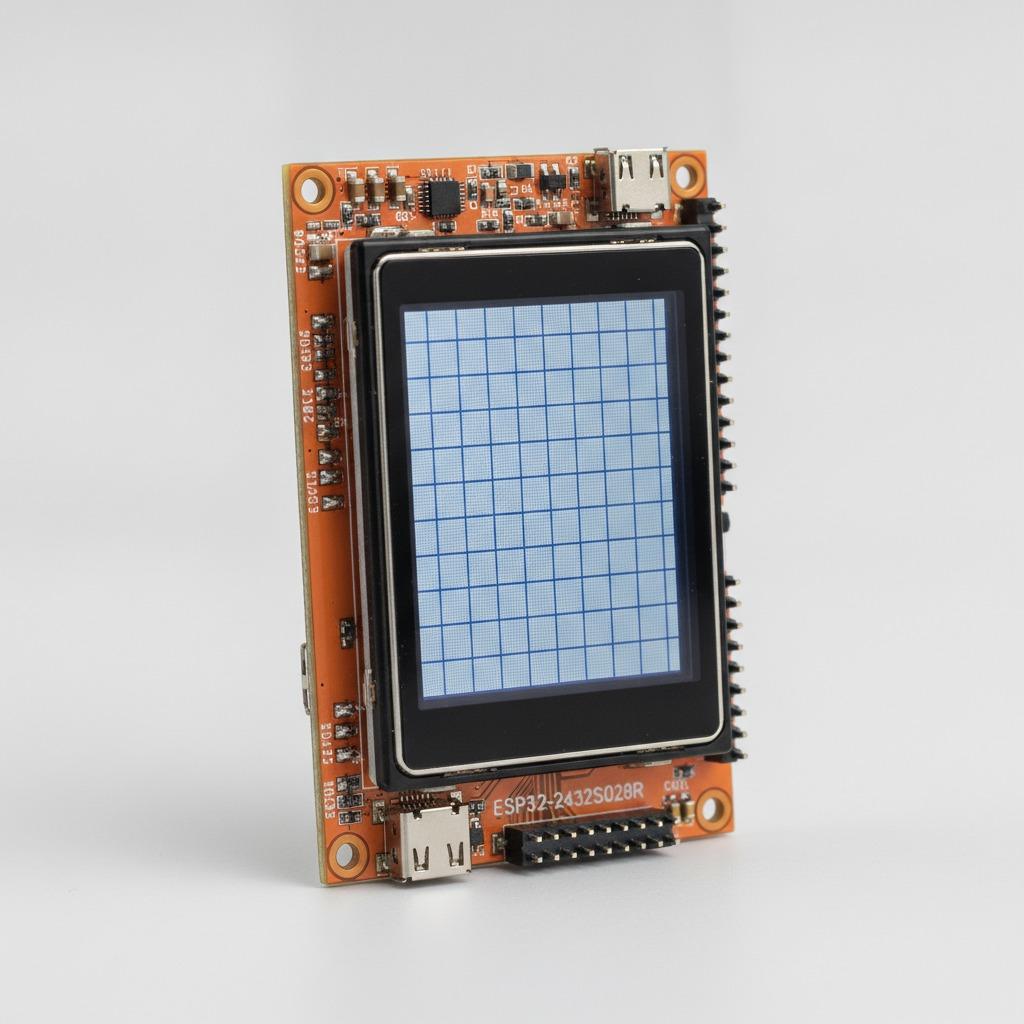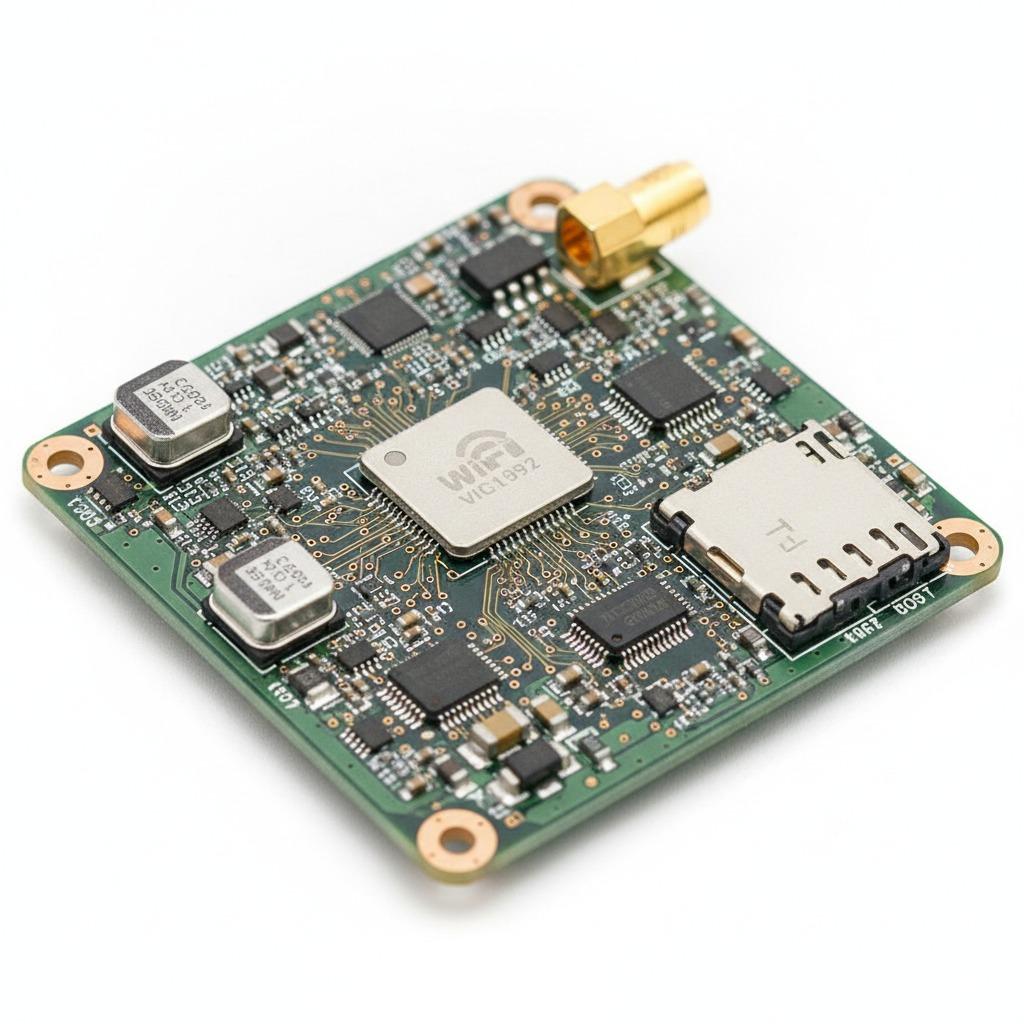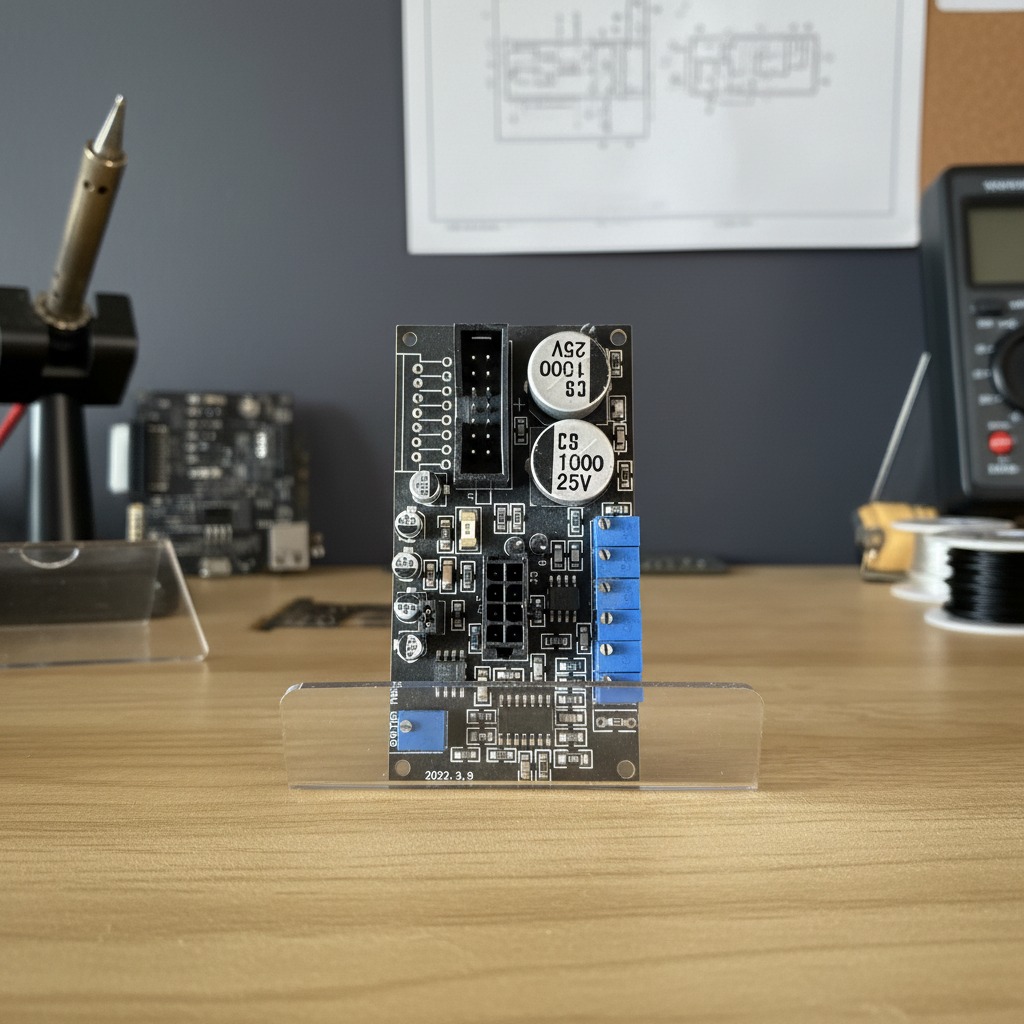
현대 AI 비전 시스템 신뢰 지속적인 이미지 획득 고속속도 데이터 처리. 카메라 캡처 대형 볼륨 시각적 정보 반드시 전송, 처리, 및 분석 없이 중단. 실제 배포에서예: 산업용 검사, 지능형 감시, 및 자율적 장치—모든 불안정성 하드웨어 리드데이터 손실 또는 잘못된 분석.
많은 AI 하드웨어 팀 문제 문제 만 시스템 실제 워크로드에서 작업을운영시작합니다. 이미지 지연 시간 증가, 센서 통신 은 일관되지 않거나 또는 처리 단위
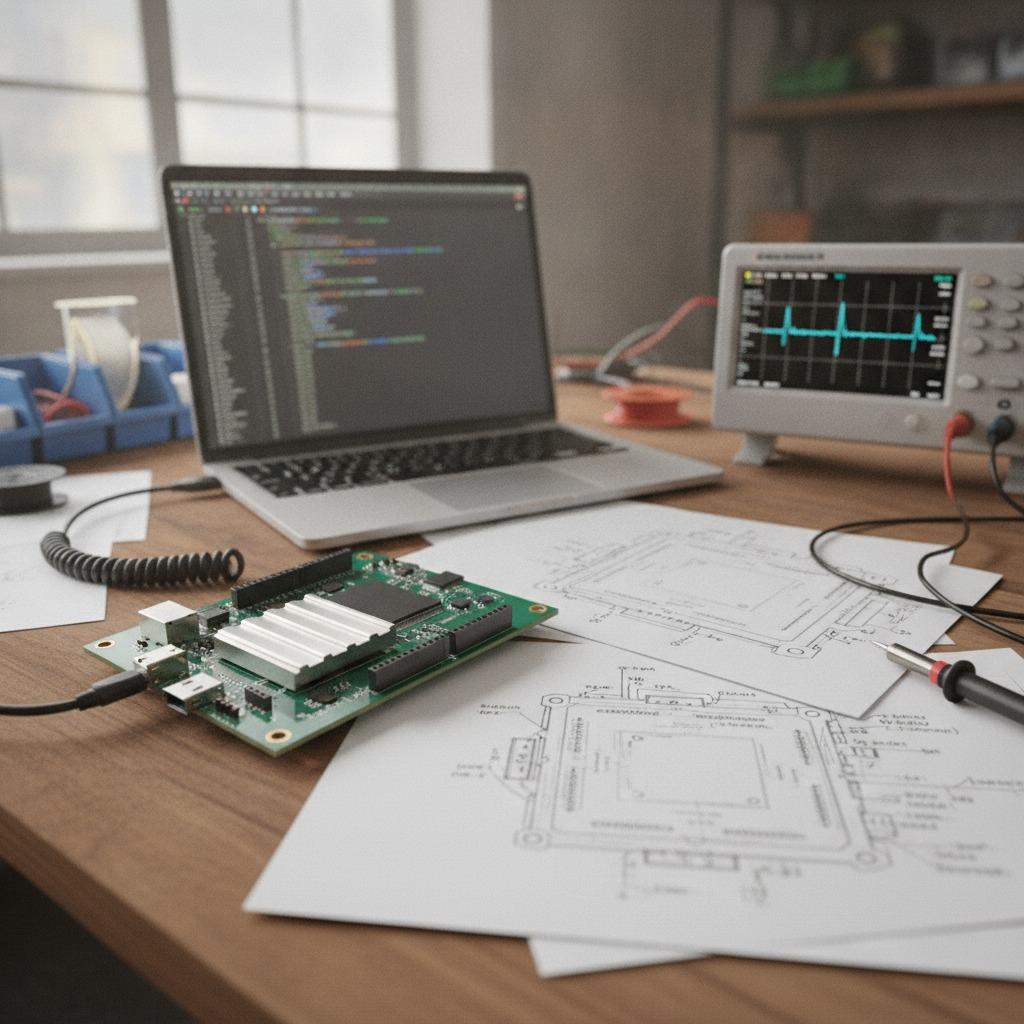
음-설계된 AI 비전 PCBA 주소 이러한 과제 조정 신호 라우팅, 센서 인터페이스 설계, 및 열 배포 보드 아키텍처 내. 이러한 요인을 조기 정렬하여 class="BZ_Pyq_fadeIn">개발, 우리 엔지니어링 팀 이미지 데이터 흐름
이유 비전 처리 하드웨어 요구 사항 전문화 PCBA 디자인
기존의 내장형 보드,
작은 레이아웃 불완전함 기타 하찮은 시스템 비전에서 중요한 시스템이 될 수 있습니다 애플리케이션. 예: 사소한 임피던스 불일치 센서 데이터 라인 5월 노이즈 도입 노이즈 또는 타이밍 불일치 그 동기화를 방해프레임
A 신뢰성 AI 비전 PCBA 따라서 에 중점을 둡니다 유지일관적인 신호 타이밍 사이센서 모듈, 처리 유닛, 및 메모리인터페이스. 라우팅 대칭 및 임피던스 제어 시스템이 제대로 구현되고 시스템 종종 측정 가능한 개선 사항 프레임 안정성 및 감소 데이터 전송 오류.
엔지니어링 팀 구현 이러한 연습 일반적으로 참조 15–20% 개선 고속속도 신호 안정성 비교기존 라우팅메소드.
재료 및 구조적 디자인 Vision 처리 보드
자료 시스템 PCB 강하게 영향을 줍니다 두 가지 모두 신호 동작 및 열 성능. 비전 시스템 자주 운영 콤팩트한 인클로저 열 생성되는 프로세서, 센서, 및 메모리 빠르게 누적
표준 FR-4 라미네이트 남아 있음 널리 사용됨, 그러나 더 높은-성능 재료자주 선택되는 경우 신호 주파수 또는 열 부하 증가. 낮음-손실 유전체 재료 도움말 보존 신호 품질 전체 길게 센서-to-프로세서 연결, 동안 더 두꺼운 구리 레이어 개선 현재 처리 및 열 확산
스택위 아키텍처 은 동등하게중요합니다. 다중레이어 구조 허용 디자이너 분리민감한 이미지 센서 신호 전환 전원 회로에서. 일반적인 비전 처리 보드, 전용 지상 비행기 안정화 신호 참조 경로 및 감소 전자기 간섭.
이러한 경우 이러한 구조적 고려사항 은 비전으로 통합AI PCBA, 시스템 이득 모두 전기식 안정성 및 향상됨 열균형, 이것은 필수필수입니다. 지속적인 이미지 처리.
관리 센서 데이터 통과 높음속도 인터페이스
이미지 센서 소통 처리 단위 고속속도 인터페이스 예: MIPI CSI 또는 비슷한 높은대역폭 프로토콜. 이 인터페이스 매우 일관적 일관성 추적 기하학 및 차동 라우팅.
추적길이 다른 경우 상당히 또는 참조 비행기 중단, 신호 편향 발생할 수있습니다. 이로 인해 프레임이 떨어질 수 있습니다 삭제 프레임 또는 동기화 오류 나타나는 간헐적으로 작업 중
견고함 AI 비전 PCBA, 신호 라우팅 은 신중하게 일치유지됩니다 일관적인 전파 타이밍. 차등 쌍 은 길이-일치, 임피던스-제어된 레이어 사용사용 센서 데이터 채널, 및 반환 경로 보존최소화 잡음커플링.
이 디자인 실천 도움말 유지 안정적 프레임 전송 및 감소 간헐적인 데이터의 확률 class="BZ_Pyq_fadeIn">오류 복잡한 비전 시스템
열 관리 지속 비전 처리 중
AI 비전 하드웨어 자주 지속적으로 운영특히 산업 분야에서 검사 또는 보안 응용 프로그램. 이 지속되는 워크로드 의미 프로세서 및 가속기 생성 열 연장된 기간.
없이 조심하세요 열 계획, 열 축적 약 계산 클러스터 및 센서 인터페이스, 결국 성능 저하 성능. 균등온도 증가 15–20°C 할 수 있습니다 감소반도체수명획기적으로.
열 최적화 내부 AI 비전 PCBA 포함 균형 구리 배포, 열 경유 어레이 아래 높은전력 구성 요소, 및 전략적 구성 요소 배치 방지 열 집중.
실용적인 배포에서는 이러한 측정 자주 감소 현지화 핫스팟 온도 기준 10~25°C, 허용시스템 maintain stable performance under prolonged operation.
Manufacturing Consistency and Image Processing Stability
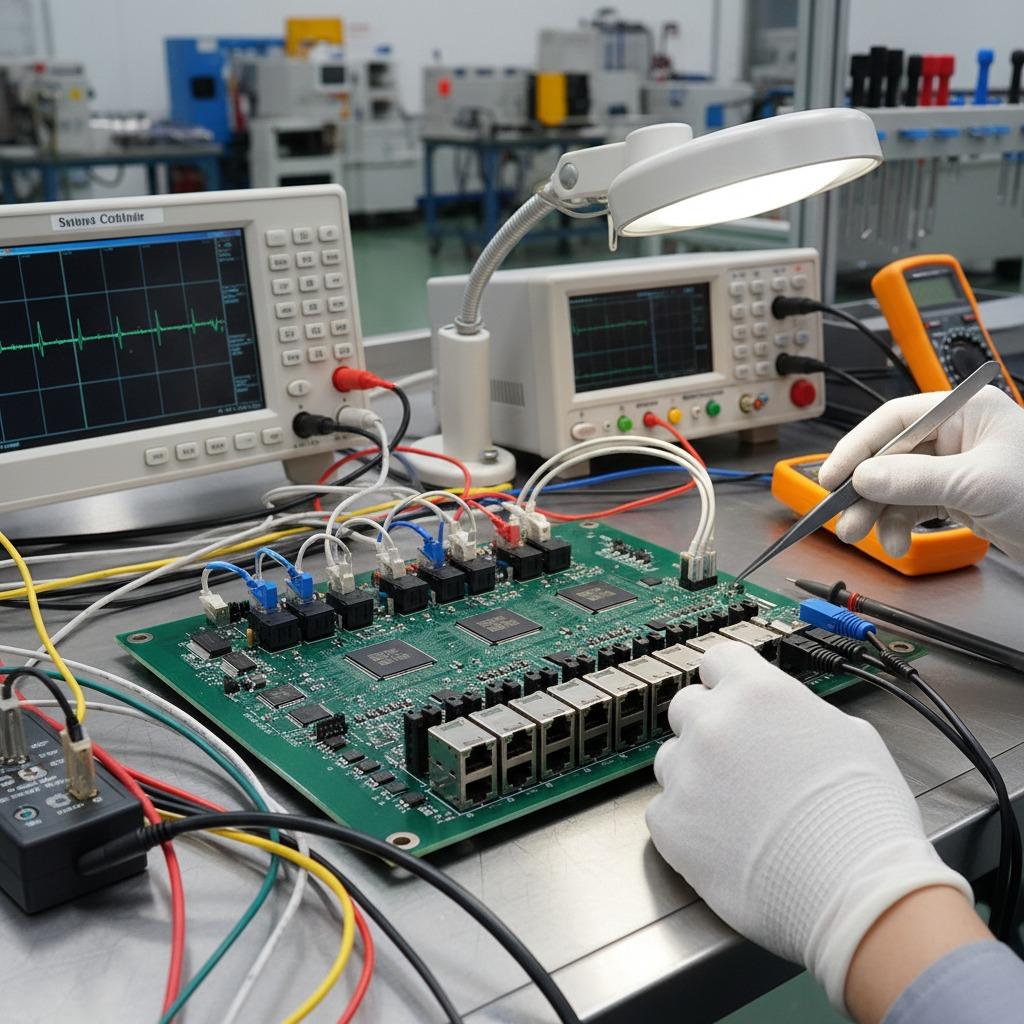
Vision hardware is sensitive to small electrical variations introduced during manufacturing. Minor differences in solder volume or component alignment can influence signal impedance or thermal contact.
Maintaining consistent assembly conditions is therefore essential. Stable stencil design, accurate component placement, and controlled reflow profiles ensure that each production batch behaves electrically the same way.
Manufacturing Factors Influencing Vision PCBA Performance
| Manufacturing Factor | Control Method | Typical Impact |
|---|---|---|
| Differential routing | Length-matched layout | Reduced signal skew |
| Layer structure | Controlled impedance stack-up | 15–20% signal stability improvement |
| Copper distribution | Balanced thermal paths | Lower hotspot formation |
| Component placement | Precision placement accuracy | Stable sensor interface performance |
| Process consistency | Controlled reflow conditions | Reduced batch variation |
Through these controls, a production-ready AI vision PCBA maintains stable image processing performance even as manufacturing volumes increase.
Compliance and Reliability Considerations
Vision systems deployed in commercial environments must also meet regulatory standards for electromagnetic compatibility and electrical safety. High-speed data signals and switching power circuits can generate significant electromagnetic emissions if not carefully managed.
By integrating grounding strategies, layer isolation, and shielding structures into the board architecture, designers can reduce the risk of failing certification tests. Designing compliance requirements into the PCBA stage significantly shortens the path to product deployment.
Frequently Asked Questions
Q1: Why do AI vision systems sometimes lose frames or experience latency?
Signal integrity problems or thermal throttling at the PCBA level can disrupt high-speed sensor communication.
Q2: Does PCB material affect camera data quality?
Yes. Signal loss and impedance variation in PCB materials influence high-speed sensor communication.
Q3: Can manufacturing variation affect image processing stability?
Yes. Even small assembly variations can influence signal timing and thermal behavior.
Why Vision System Reliability Begins at the PCBA Level
A well-designed AI vision PCBA ensures that image sensors, processors, and memory communicate reliably under real operating conditions. When signal integrity, thermal distribution, and manufacturing discipline are aligned, AI vision systems deliver consistent performance even in demanding environments.
If you want to evaluate how board-level architecture influences the reliability and scalability of vision hardware, reviewing real PCBA capabilities is a practical starting point. You can learn more about our engineering and manufacturing experience here:
👉 https://www.hcdpcba.com
For projects involving AI cameras, machine vision systems, or real-time image processing hardware, discussing your requirements early can significantly reduce development risk. Our engineering team is available for consultation here:
👉 https://www.hcdpcba.com/en/contact-us