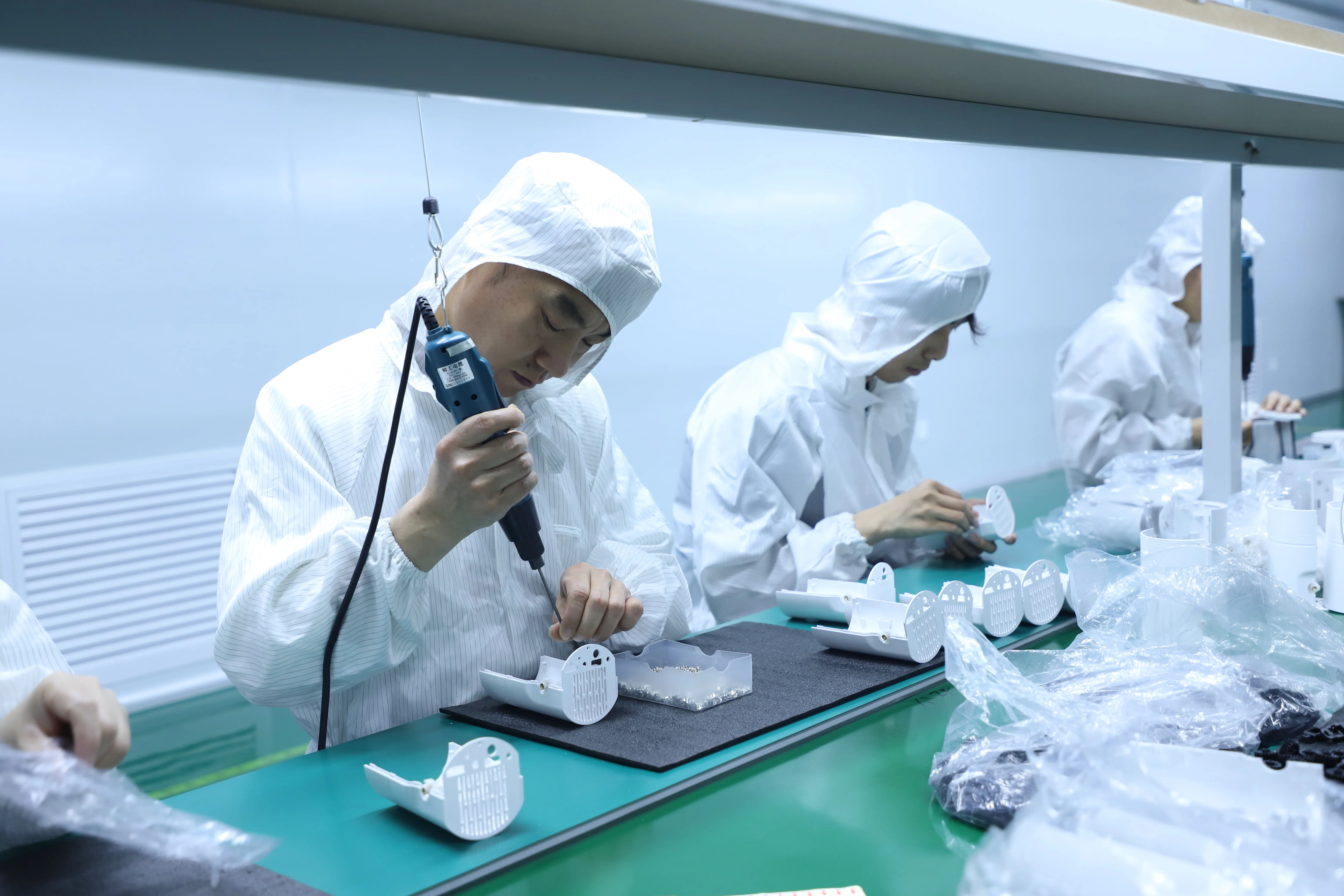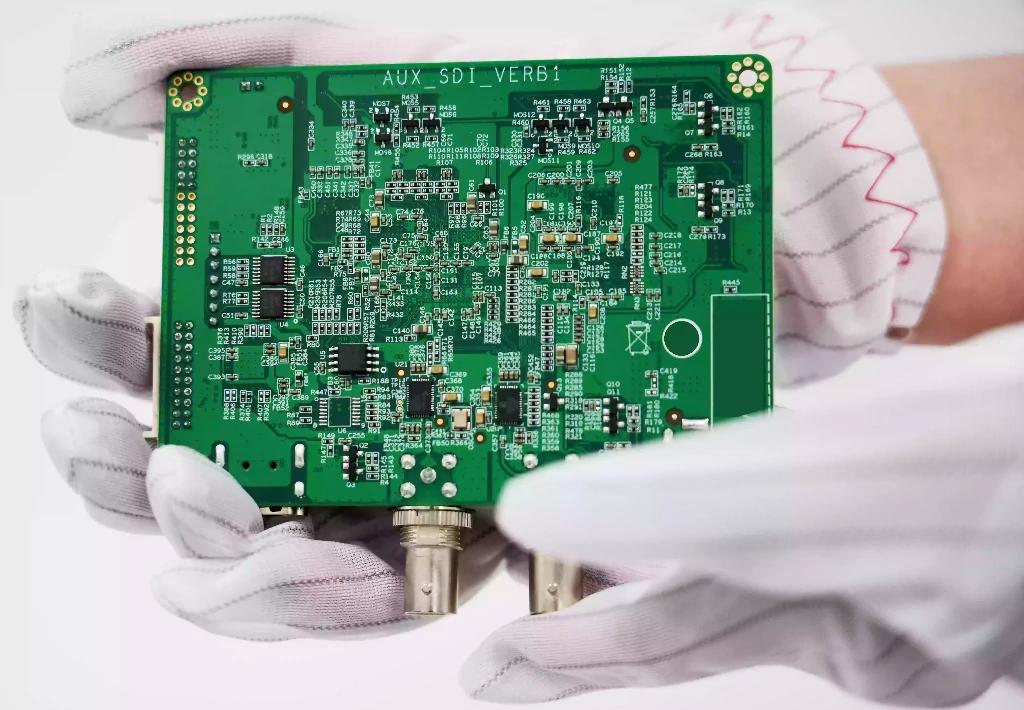
Turnkey PCBA Service for Faster Production and Complete Supply Chain Control
Many PCBA projects do not fail because of poor design—they fail because too many disconnected steps create unnecessary risk.
One supplier handles PCB fabrication, another sources components, a third manages SMT assembly, and delays begin to accumulate. BOM mismatches, component shortages, and unclear responsibility often turn simple projects into expensive production problems.
This is where a structured turnkey PCBA service becomes critical. Instead of managing separate vendors and fragmented workflows, the entire process—from material sourcing to final assembly—is controlled under one production system. Our engineering team coordinates sourcing, fabrication, SMT, testing, and delivery as one integrated process, reducing both lead time and operational risk.
For companies moving from prototype to scalable production, this model creates far more predictable outcomes.
Why Turnkey PCBA Is More Than Convenience
Many buyers initially view turnkey production as a way to save time. In reality, its biggest value is control.
When PCB fabrication, component procurement, and assembly are separated, even small communication gaps create large downstream issues. A substituted capacitor may affect thermal behavior. A delayed connector shipment may stop an entire assembly line.
A reliable turnkey PCBA service solves this by keeping engineering validation and supply chain execution connected. Material approval, production scheduling, and assembly verification happen within the same system.
Projects using this model often reduce project coordination time by 30–40%, especially in medium-complexity and repeat-order programs.
Material Sourcing and BOM Stability
Component sourcing is one of the highest-risk areas in electronics manufacturing. Many production failures begin with unverified substitutions or unstable supply channels.
In professional turnkey production:
- Approved alternatives are validated before purchasing
- Lifecycle risk is checked during BOM review
- Long lead-time components are planned early
This prevents emergency sourcing that often increases both cost and failure risk.
A disciplined turnkey PCBA service usually helps customers achieve:
- 5–15% reduction in sourcing-related cost fluctuation
- Better consistency across multiple production batches
This is especially important for products with long lifecycle requirements.
Prototype to Mass Production Without Process Drift
Prototype success does not guarantee manufacturing success. What works in engineering builds often becomes unstable during batch production.
For example, a board may pass functional testing in a 20-piece run but show rising solder defects in 2,000-unit production because reflow parameters were never fully standardized.
A structured turnkey PCBA service ensures:
- Pilot-build parameters are locked before scaling
- SMT programs remain standardized across lines
- Process changes require controlled engineering review
Manufacturers applying these controls commonly reduce recurring production defects by 25–45%, especially in multi-layer or high-density assemblies.
Inspection Strategy and Yield Control
Yield improvement does not come from more inspection—it comes from better control before inspection is needed.
Stencil design, solder paste management, placement precision, and reflow stability determine whether defects happen at all.
Key Turnkey Production Factors and Their Impact
| Production Factor | Control Method | Typical Result |
|---|---|---|
| BOM verification | Engineering review before sourcing | Reduced wrong-part risk |
| Solder paste control | Optimized stencil design | 20–30% fewer solder defects |
| Placement accuracy | Precision SMT alignment | Stable electrical performance |
| Reflow profile | Controlled temperature curves | Lower solder joint failure |
| Final testing | Functional + AOI inspection | Early defect containment |
Through these controls, a production-ready turnkey PCBA service maintains high yield while reducing rework and hidden cost.
Production Scheduling and Delivery Reliability
Delivery delays often come from invisible gaps between departments rather than actual factory capacity.
When PCB fabrication, procurement, and assembly are managed separately, scheduling conflicts become common. Production pauses while waiting for a single delayed component.
In integrated turnkey systems, procurement schedules are aligned directly with assembly planning. This improves delivery predictability and reduces downtime.
Manufacturers with mature turnkey workflows often improve on-time delivery performance by 15–25%, especially in repeat production programs.
Compliance and Quality Assurance
Turnkey production must also support certification and quality compliance, especially for export and industrial projects.
Key requirements include:
- RoHS material compliance
- ISO quality management workflows
- CE / FCC support for final applications
- Batch traceability for long-term product support
A professional turnkey PCBA service integrates these requirements from sourcing to shipment, reducing certification delays and customer-side risk.
Frequently Asked Questions
Q1: Is turnkey PCBA only useful for large-volume projects?
No. It is often even more valuable in small and medium projects where coordination risk is higher.
Q2: Can turnkey service reduce overall production cost?
Yes. It reduces sourcing errors, rework, and project delays, which often cost more than unit pricing differences.
Q3: Does turnkey production improve delivery speed?
Yes. Integrated scheduling significantly improves lead-time predictability.
Why Full-Process Control Creates Better PCBA Results
A strong turnkey PCBA service does more than combine suppliers—it creates a controlled manufacturing system where sourcing, engineering, assembly, and delivery work together. This reduces risk, improves consistency, and makes production scalable without unnecessary surprises.
If you want to evaluate how full-process manufacturing can improve your product quality and delivery stability, reviewing real turnkey production capability is a practical first step. You can learn more about our PCB and PCBA expertise here:
👉 https://www.hcdpcba.com
For projects involving prototype transition, repeat production, or complex sourcing requirements, early technical discussion can significantly improve manufacturing outcomes. You are welcome to contact our team here:
👉 https://www.hcdpcba.com/en/contact-us