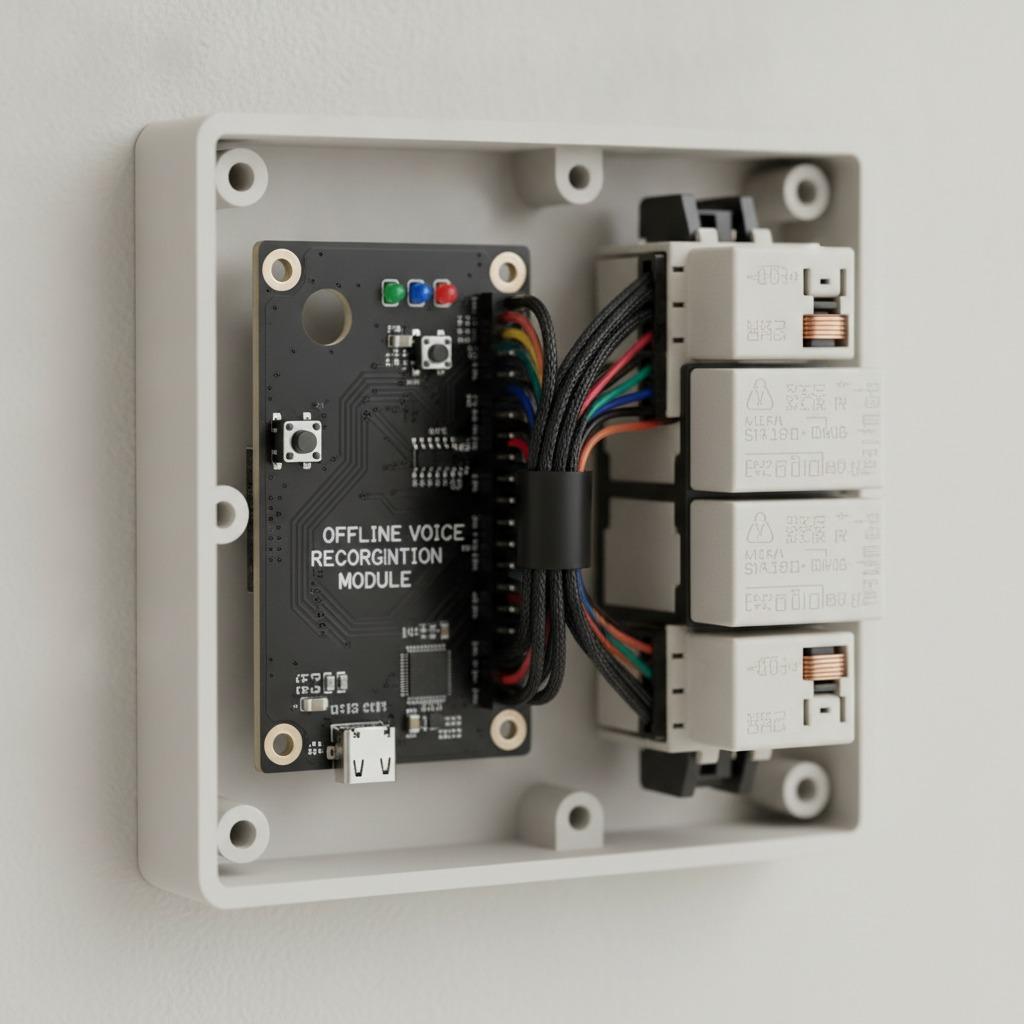
The Intricate Art of PCBA Board Manufacturing

  • blog
Posted by Hechengda On Aug 09 2025

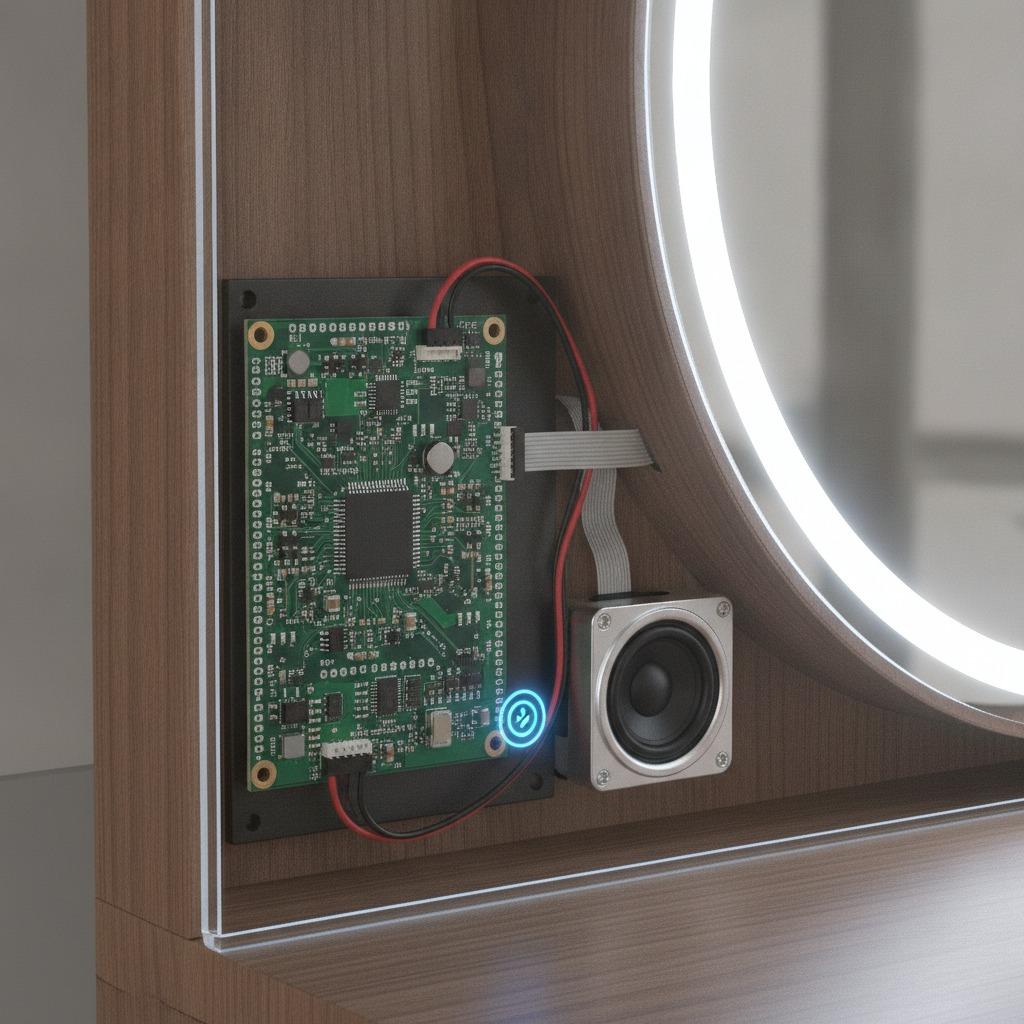
In the silent, humming world of modern technology, a complex dance of precision and engineering gives life to the devices we depend on daily. At the very heart of this electronic ecosystem lies the process of PCBA board manufacturing, the intricate art and science of creating the functional brain for everything from smartphones to spacecraft. A Printed Circuit Board Assembly (PCBA) is far more than just a green board with metallic lines; it is a meticulously crafted nerve center, a miniature city where thousands of components communicate in perfect harmony to execute commands and process information, making our digital lives possible.

The Bare Board: Understanding the PCB


A PCBA begins its life as a simple Printed Circuit Board (PCB). Picture this as the undeveloped landscape upon which a bustling metropolis will be built. The board itself is typically made from a rigid, non-conductive substrate material like FR-4 fiberglass, which provides the structural foundation. Laminated onto this substrate are one or more thin layers of copper foil. Through a process of photolithography and chemical etching, unwanted copper is removed, leaving behind a predetermined pattern of conductive pathways, or traces. These shimmering copper lines are the streets and highways of our future electronic city, designed to guide electrical signals precisely where they need to go. Holes, known as vias, are drilled to connect different layers, creating a multi-dimensional network of circuits on a single, compact board.

Populating the Board: The Art of Assembly


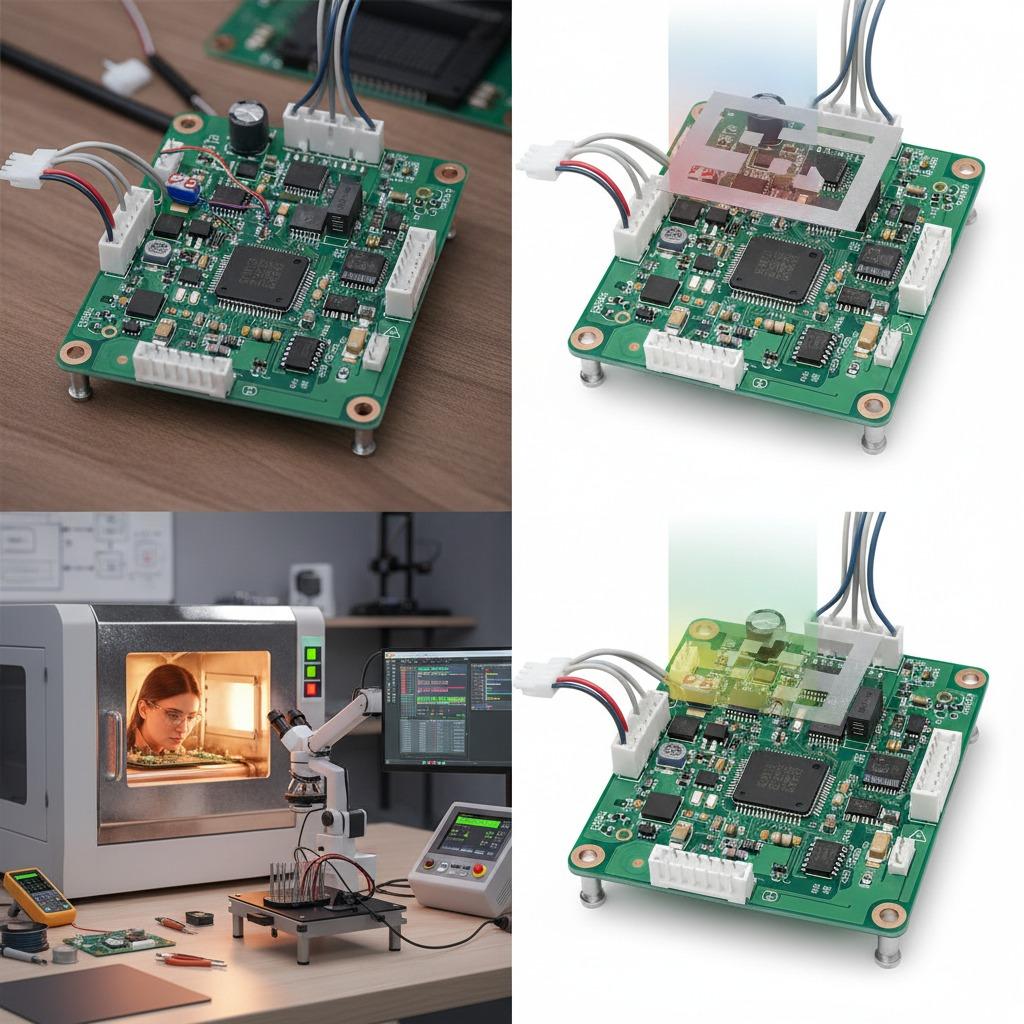
With the blueprint laid out on the bare PCB, the assembly process begins. The first step is the application of solder paste. A stainless steel stencil, which is a thin sheet of metal with laser-cut openings, is placed perfectly over the board. A squeegee-like blade then moves across the stencil, depositing a precise amount of solder paste onto the component pads. The consistency and location of this paste are critical, acting as both a temporary adhesive and the eventual permanent electrical connection. Following this, the board moves to a pick-and-place machine. This marvel of automation uses high-speed robotic arms, equipped with vacuum nozzles, to pick up microscopic components from reels and trays and place them onto their designated pads on the board with incredible speed and accuracy, often placing tens of thousands of components per hour.

Forging the Connections: Reflow Soldering and Inspection


Once all the surface-mount components are nestled in the solder paste, the board embarks on a journey through a long, tunnel-like reflow oven. The board travels on a conveyor belt through several zones, each with a carefully controlled temperature profile. The temperature gradually rises to activate the flux within the solder paste and then spikes to a point where the solder melts, flowing around the component leads to form strong, permanent metallurgical bonds. As the board exits the oven, it cools in a controlled manner, solidifying the solder joints. Quality control is paramount in PCBA board manufacturing. After reflow, boards are often inspected by an Automated Optical Inspection (AOI) system. This machine uses high-resolution cameras to scan the board and compare it to a perfect reference image, flagging any potential defects like missing components, incorrect polarity, or flawed solder joints.

Ensuring Functionality: Final Steps and Testing


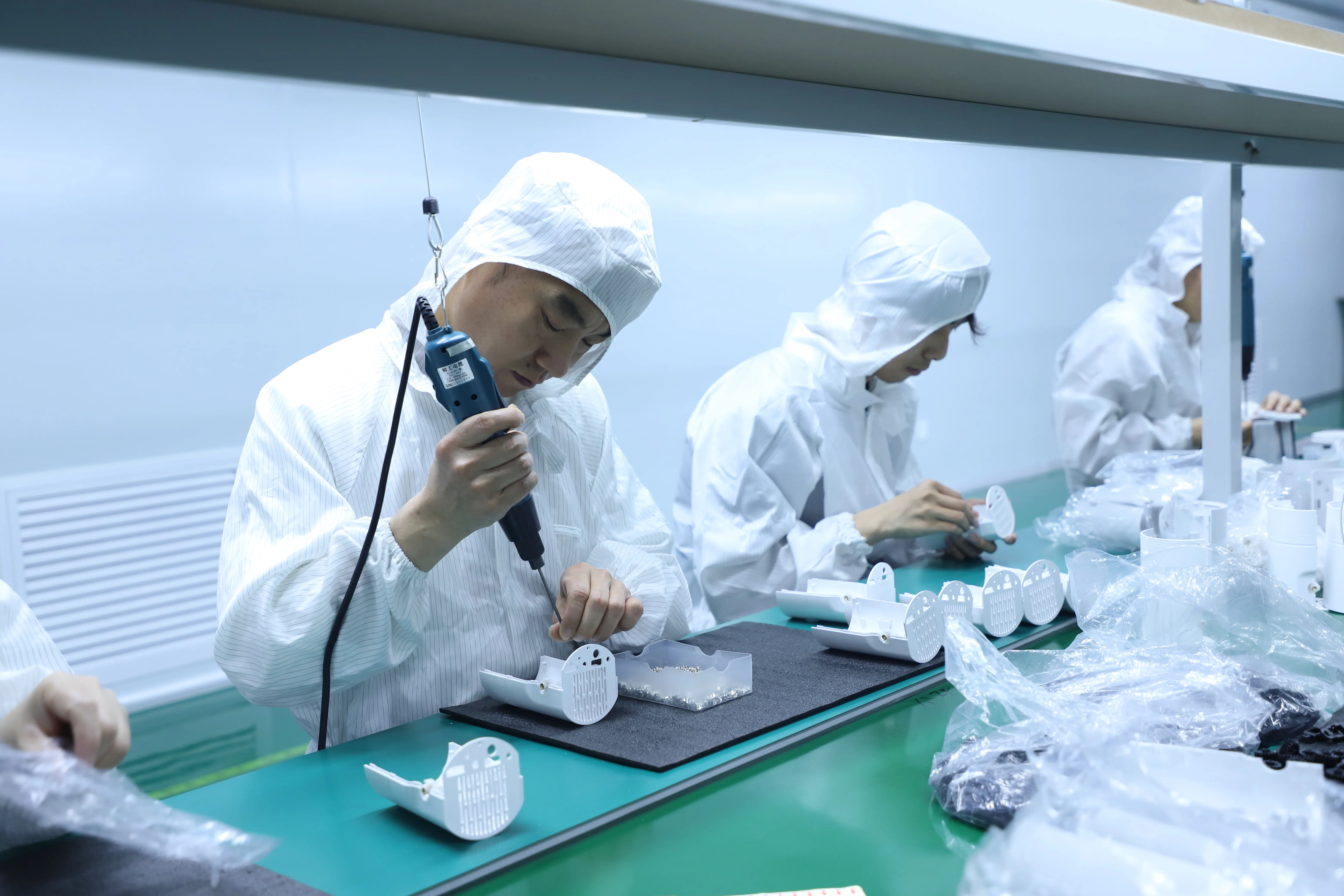
For boards that include larger, more robust components with wire leads, a process called through-hole soldering is required. These components are inserted through holes in the board, either by hand or by specialized machines, and then soldered in place. After all soldering is complete, the boards undergo a thorough cleaning process to remove any residual flux, which could cause corrosion or electrical shorts over time. The final, and perhaps most critical, stage is testing. A functional test (FCT) is performed where the completed PCBA is powered up and connected to a test fixture that simulates its intended operating environment. This test verifies that the board not only has been assembled correctly but that it performs its specific functions as designed, ensuring a reliable and fully operational electronic heart is ready to be placed into its final product.
Categories

Featured Blogs

Tag:

  • default
Share On
Featured Blogs
Energy Storage PCB: Design and Sourcing Tips for Reliable Systems

Energy Storage PCB: Design and Sourcing Tips for Reliable Systems

1. Why energy storage boards deserve more design attention than they usually get 2. What this board typically does inside a storage system 3. Quick comparison: what buyers should look at first 4. Design and manufacturing details that affect real-world performance 5. Where DFMA helps more than buyers expect 6. Common mistakes in energy storage board sourcing 7. Buyer advice: how to narrow the supplier field 8. FAQ: a few questions that come up repeatedly 9. What to do next

4S-24S Active Balancer PCBA: What Buyers Should Check

4S-24S Active Balancer PCBA: What Buyers Should Check

1. Why active balancing matters in multi-cell packs 2. What “4S-24S” tells you 3. How this PCBA is typically built 4. Selection criteria engineers should not skip 5. Common buyer mistakes 6. Practical advice for sourcing teams 7. What to ask before placing an order 8. Next step

Professional Automotive PCBA for LED Car Light Driver: What Buyers Should Check

Professional Automotive PCBA for LED Car Light Driver: What Buyers Should Check

1. Why automotive PCBA work is a different game 2. A quick list of what buyers should look at first 3. What the board images and product context suggest 4. Common board types used in car lighting and related modules 5. Selection criteria that matter more than brochure claims 6. Mistakes that slow automotive lighting programs 7. Practical buyer advice for sourcing teams 8. A sensible next step

PCBA Cost Optimization Guide for Stable Production and Lower Total Cost

PCBA Cost Optimization Guide for Stable Production and Lower Total Cost

1.Why PCBA cost problems often come from process instability, not quotation price 2.How yield, sourcing, testing, and layout decisions affect total manufacturing cost 3.What parameters and data help buyers evaluate real cost-saving opportunities 4.How structured manufacturing reduces rework, waste, and long-term production risk

The Fast‑Growing Flexible PCB (FPC): Powering Smartwatches, Wearables, Automotive & Foldable Tech

The Fast‑Growing Flexible PCB (FPC): Powering Smartwatches, Wearables, Automotive & Foldable Tech

In today’s fast‑evolving electronics industry, miniaturization, flexibility, and high‑density performance have become non‑negotiable standards for modern devices. Among all circuit board solutions, Flexible Printed Circuit (FPC / Flexible PCB) stands out as the fastest‑growing segment, enabling innovation across smart wearables, automotive electronics, optical devices, and next‑generation foldable screens.

One-Stop PCB Solutions OEM Manufacturer for High Quality Aluminum PCB Boards Artificial Intelligence/Machine Learning

One-Stop PCB Solutions OEM Manufacturer for High Quality Aluminum PCB Boards Artificial Intelligence/Machine Learning

As artificial intelligence (AI) and machine learning (ML) technology continue to evolve rapidly, intelligent hardware devices are becoming more high-powered, compact, and long-running. These advanced devices generate massive heat during continuous computing and data processing, which puts forward higher requirements for circuit board heat dissipation, stability, and durability. High-quality aluminum PCB boards have become the core carrier of AI and ML intelligent equipment, relying on their excellent thermal conductivity and structural stability. As a professional one-stop OEM PCB manufacturer, we provide customized aluminum PCB solutions tailored for AI and machine learning hardware, solving the core pain points of heat dissipation and unstable operation for intelligent electronic devices.

logo
  • Address: 5th Building, 1st-2nd Floor, Industry-Academia-Research-Application Park, Quannan County, Ganzhou City, Jiangxi Province
  • Phone: +86 18924624188
  • E-mall: rick@hcdpcba.com
  • Whatsapp: +86 18924624188
  • Wechat: SZ123188R

Quick Links

Our Products

Sign Up for Email

Sign up to get first dibs on new arrivals, sales, exclusive content, events and more!

© 2025 Ecomus . All rights reserved.HechengdaHechengdaHechengdaHechengdaHechengda