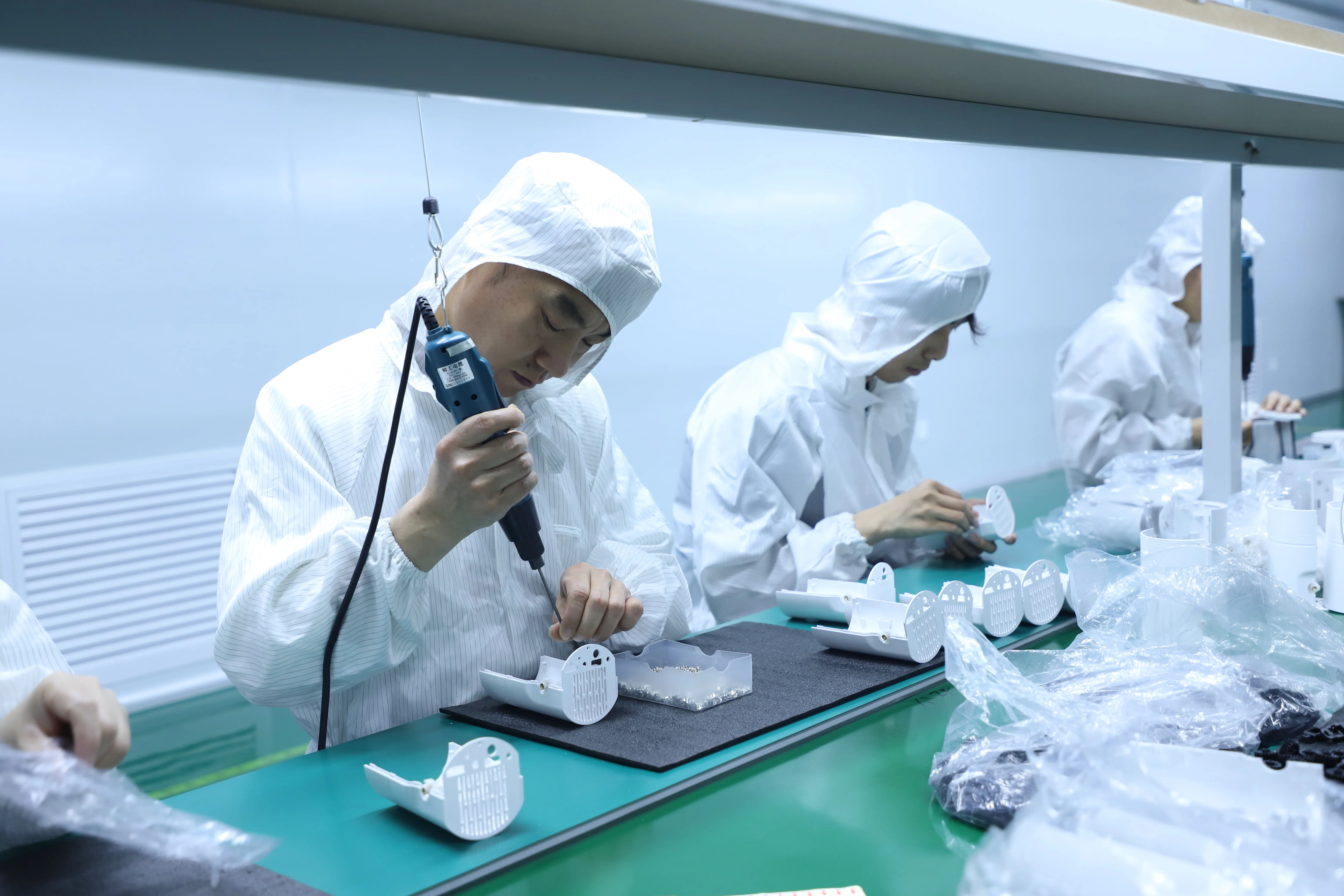
Smart Home PCBA Manufacturer: Building Reliable Foundations for Connected Living
Smart home products rely on stable electronic assemblies to connect sensors, processors, and wireless modules into devices that operate quietly and continuously in daily life. From smart switches and hubs to cameras, thermostats, and voice-controlled systems, the PCBA sits at the center of every connected function.
A capable smart home PCBA manufacturer focuses not only on assembly accuracy, but also on signal stability, long-term reliability, and consistency across production batches. These factors determine whether a device performs smoothly in real homes, not just in laboratory conditions.
1. Why Smart Home Devices Require Specialized PCBA Manufacturing
Unlike many industrial products, smart home devices operate in uncontrolled environments. They must coexist with Wi-Fi routers, Bluetooth peripherals, power adapters, and household appliances—all within confined spaces.
This creates several manufacturing priorities:
-
Compact layouts supporting multi-function integration
-
Stable wireless signal paths with minimal interference
-
Low standby power consumption
-
Consistent performance during 24/7 operation
-
Reliable behavior across large production volumes
A manufacturer experienced in smart home PCBA understands how these requirements influence assembly choices from the earliest production stages.
2. PCBA Design Characteristics Common in Smart Home Products
Smart home PCBAs often combine digital logic, wireless communication, power management, and sensor inputs on a single board. This density places higher demands on layout discipline and assembly control.
Typical characteristics include:
-
Integration of Wi-Fi, Bluetooth, Zigbee, or Thread modules
-
Mixed-signal routing for sensors and control circuits
-
Compact power regulation for low standby consumption
-
Multiple connectors or antenna interfaces
-
Small form factors designed for plastic enclosures
These features require careful coordination between fabrication tolerance and assembly accuracy.
3. Assembly Considerations for Wireless and Compact PCBAs
Wireless performance is strongly influenced by how components are assembled. Minor placement deviations or solder inconsistencies can affect antenna behavior and signal stability.
A professional smart home PCBA manufacturer typically emphasizes:
-
Controlled solder paste application for RF components
-
Fine-pitch placement accuracy for wireless modules
-
Reflow profiles adjusted for compact, heat-sensitive layouts
-
EMI-conscious assembly practices
-
Consistent antenna reference grounding
These measures help ensure that devices perform reliably across different home environments.
4. Functional Testing for Connected Smart Home Devices
Testing smart home PCBAs goes beyond basic electrical verification. Devices must be validated under conditions that reflect real-world usage.
Smart Home PCBA Testing Overview
| Test Category | Purpose | Typical Devices |
|---|---|---|
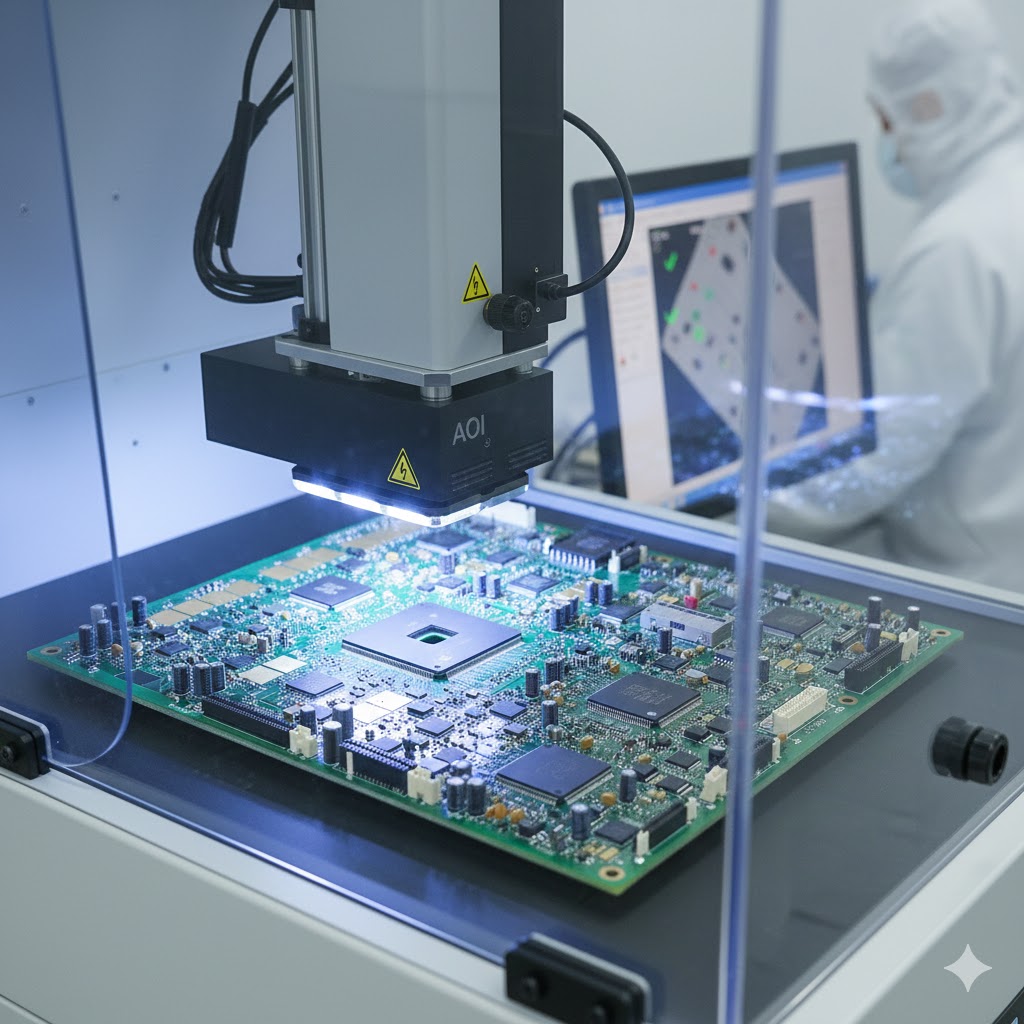
| AOI / X-ray | Verify solder joints and placement | Dense SMT boards |
| Electrical Testing | Confirm continuity and power stability | Control boards |
| Wireless Validation | Check signal strength and consistency | Wi-Fi / Zigbee devices |
| Functional Testing | Verify firmware-based operation | Smart hubs, sensors |
| Power Cycling | Ensure stable reboot behavior | Always-on devices |
By integrating these tests into production, manufacturers reduce field failures and improve long-term reliability.
5. Firmware Loading and Device-Level Readiness
Most smart home devices depend heavily on firmware for connectivity, pairing, and automation logic. PCBA manufacturing therefore includes firmware-related steps as part of the production flow.
Common practices include:
-
Firmware flashing during assembly
-
Assignment of device IDs or MAC addresses
-
Initial pairing or calibration checks
-
Repeated boot-cycle validation
This allows the PCBA to arrive as a ready-to-integrate core for final device assembly.
6. Scaling from Prototype to Volume Production
Smart home products often begin as small pilot runs before scaling rapidly. A reliable PCBA partner supports this transition without changing quality standards.
Manufacturing scalability typically involves:
-
Smooth transition from prototype to batch production
-
Stable sourcing for key wireless and control components
-
Repeatable assembly parameters across volumes
-
Consistent testing logic for every batch
This continuity reduces risk as products move toward mass-market deployment.
7. What to Look for in a Smart Home PCBA Manufacturer
Choosing the right manufacturer affects not only production quality, but also product reputation. Buyers evaluating smart home PCBA partners often focus on:
-
Experience with wireless and IoT assemblies
-
Ability to manage compact, high-density layouts
-
Integrated testing for connectivity and power stability
-
Clear communication during production ramp-up
-
Long-term consistency across multiple product versions
These factors directly influence product stability once devices reach end users.
Supporting Smarter Devices with Reliable PCBA Manufacturing
Smart home products depend on PCBAs that operate continuously, connect reliably, and scale efficiently. A professional smart home PCBA manufacturer provides the assembly discipline, testing coverage, and production stability required to support connected living environments.
To discuss smart home PCBA projects or connected device assembly requirements, visit www.hcdpcba.com or contact the team directly through:
👉 https://www.hcdpcba.com/en/contact-us