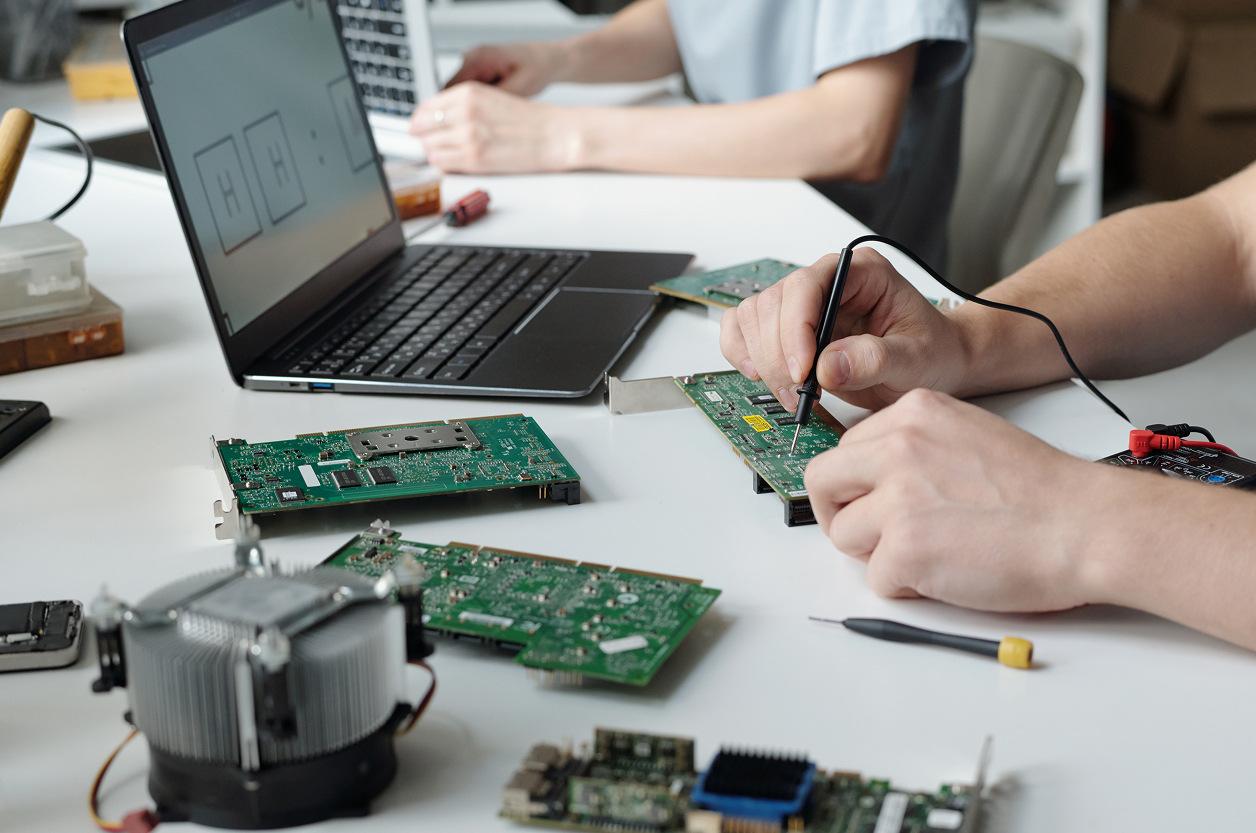
Quick Turn PCBA for Faster Validation and Stable Production Transition
Speed is critical in modern electronics development.
Whether launching a new product, validating a hardware revision, or responding to market pressure, engineering teams often need functional boards within days rather than weeks. However, accelerating production introduces its own risks. Fast turnaround without process discipline frequently leads to assembly defects, unstable prototypes, or delays during later production stages.
Many companies discover that boards delivered quickly are not always reliable enough for meaningful validation. Solder inconsistencies, incorrect component substitutions, or incomplete testing can distort engineering decisions and create additional redesign cycles.
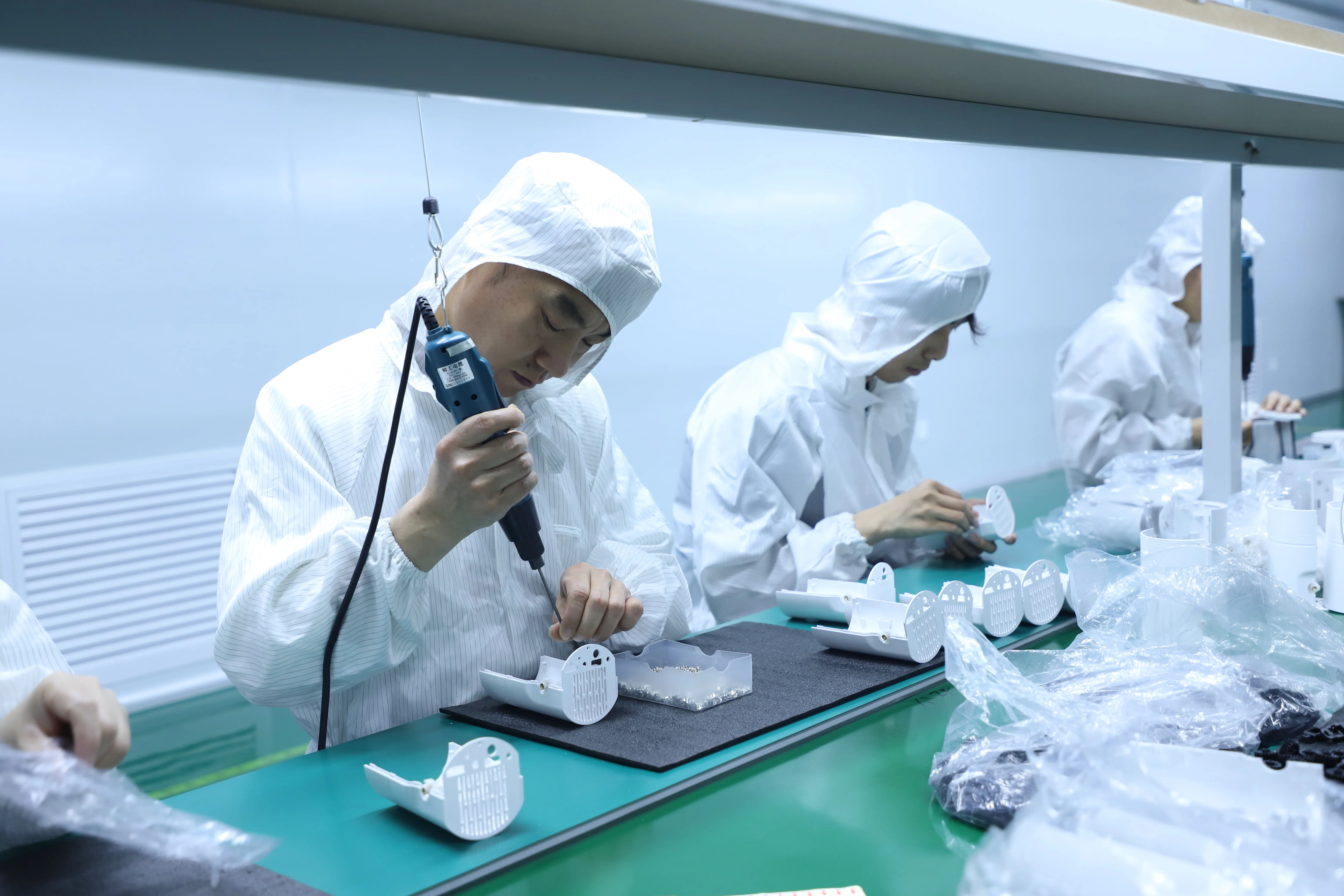
A structured quick turn PCBA process solves this by combining rapid production capability with controlled manufacturing workflows. Our engineering and production teams coordinate sourcing, SMT assembly, and inspection in parallel, ensuring that speed does not compromise assembly stability or electrical reliability.
Why Rapid PCBA Production Requires Different Manufacturing Logic
Quick-turn production is fundamentally different from standard-volume manufacturing. Traditional production schedules are optimized for efficiency and long-term planning, while rapid builds prioritize response speed and engineering validation.
This changes how materials, production lines, and workflows are managed.
For example, component sourcing in quick-turn projects often depends on flexible inventory access and validated alternatives. At the same time, SMT programming and stencil preparation must be completed within compressed timelines.
A reliable quick turn PCBA process ensures that:
- Engineering files are reviewed immediately after submission
- Material shortages are identified before assembly starts
- Production scheduling adapts dynamically to urgent timelines
Factories that implement these controls often reduce prototype delivery cycles by 30–50% compared to conventional workflows.
Balancing Production Speed with Assembly Stability
One of the most common misconceptions is that faster production automatically reduces quality. In reality, problems occur when speed is prioritized without process control.
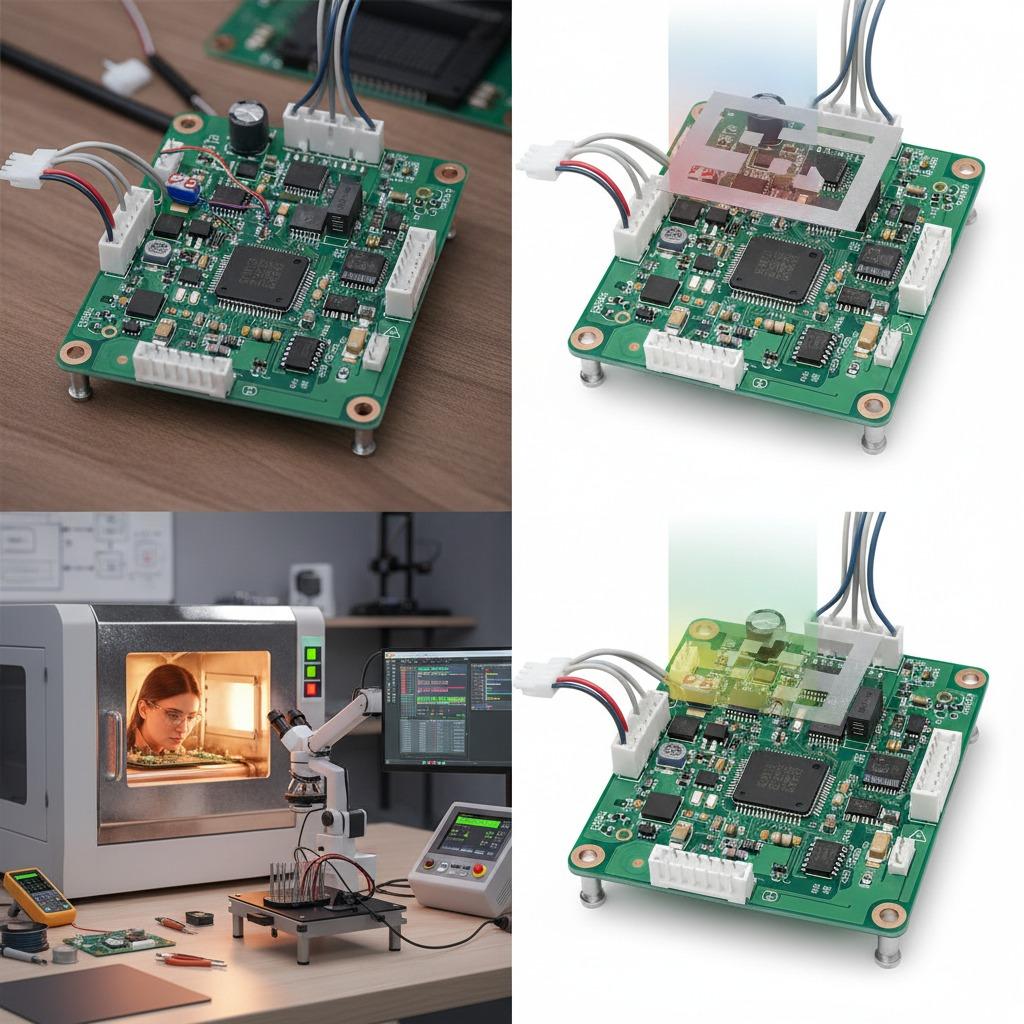
For example, skipping thermal profile validation may shorten setup time initially, but can introduce solder reliability issues that delay debugging later.
A professional quick turn PCBA workflow maintains:
- Stable solder paste printing conditions
- Controlled placement accuracy for fine-pitch components
- Verified reflow profiles even under compressed schedules
Projects following these practices typically reduce rapid-build defect rates by 20–35%, especially in multilayer or high-density boards.
Material Coordination Under Tight Lead Times
Material sourcing becomes more complex in rapid production environments. Components with long lead times can delay entire projects if procurement is not integrated with engineering review.
In practical quick-turn manufacturing:
- Approved substitute components are validated early
- BOM review happens simultaneously with sourcing
- Common inventory components are prioritized when possible
This level of coordination helps prevent unexpected delays and reduces engineering uncertainty.
A disciplined quick turn PCBA process often improves:
- Prototype delivery predictability
- Material consistency across engineering builds
- Faster design iteration cycles
Rapid Validation and Production Transition
The real value of quick-turn manufacturing is not just speed—it is enabling faster and more accurate engineering decisions.
Boards produced through unstable rapid processes may pass initial power-on tests but fail during later validation. This creates misleading debugging results and increases redesign time.
A mature quick turn PCBA system therefore emphasizes:
- Functional testing before shipment
- Traceability of engineering revisions
- Consistency between prototype and future production processes
This approach reduces the gap between prototype validation and scalable manufacturing.
Key Production Factors and Their Impact
| Production Factor | Control Method | Typical Result |
|---|---|---|
| BOM verification | Parallel engineering review | Faster material readiness |
| SMT programming | Rapid machine setup | Reduced production delay |
| Solder process control | Stable thermal profiles | Lower assembly defects |
| Functional testing | Early validation checks | Reduced debugging time |
| Workflow coordination | Parallel scheduling system | Faster delivery cycles |
These controls determine whether rapid production becomes a competitive advantage or a source of instability.
Compliance and Quality Assurance
Even under compressed timelines, rapid PCBA production must still support quality and compliance requirements.
Key considerations include:
- RoHS material compliance
- Controlled ESD handling
- AOI and functional inspection processes
- Documentation traceability for engineering revisions
A structured quick turn PCBA workflow integrates these controls without significantly slowing production speed.
Frequently Asked Questions
Q1: Does faster turnaround increase assembly risk?
Not if process controls remain standardized and validated.
Q2: Can quick-turn boards be used for functional validation?
Yes. Properly controlled quick-turn builds are suitable for engineering and production evaluation.
Q3: What usually delays rapid PCBA projects?
Material availability and incomplete engineering documentation are the most common causes.
Why Rapid Manufacturing Requires Process Discipline
A reliable quick turn PCBA process delivers more than fast boards—it provides stable prototypes that support accurate engineering validation and smoother production transition. When sourcing, assembly, and testing are coordinated effectively, rapid manufacturing becomes a tool for reducing development risk rather than increasing it.
If you want to evaluate how rapid PCBA manufacturing can improve your product development cycle, reviewing real production capability and workflow control is a practical first step. You can learn more about our PCB and PCBA expertise here:
👉 https://www.hcdpcba.com
For projects involving urgent prototypes, engineering validation, or accelerated product launches, early technical coordination can significantly improve delivery reliability. You are welcome to contact our engineering team here:
👉 https://www.hcdpcba.com/en/contact-us