PCBA Prototype Service for Faster Hardware Validation and Stable Design Iteration
Most hardware problems are discovered long before mass production begins.
The prototype stage is where signal instability, thermal imbalance, assembly conflicts, and component compatibility issues first become visible. However, many prototype builds fail to provide meaningful validation because the manufacturing process itself is unstable.
Engineering teams often encounter situations where:
- Prototype boards function inconsistently between builds
- Material substitutions create unexpected electrical behavior
- Assembly defects distort debugging results
- Prototype processes differ too much from future production conditions
These problems increase redesign cycles and delay product development.
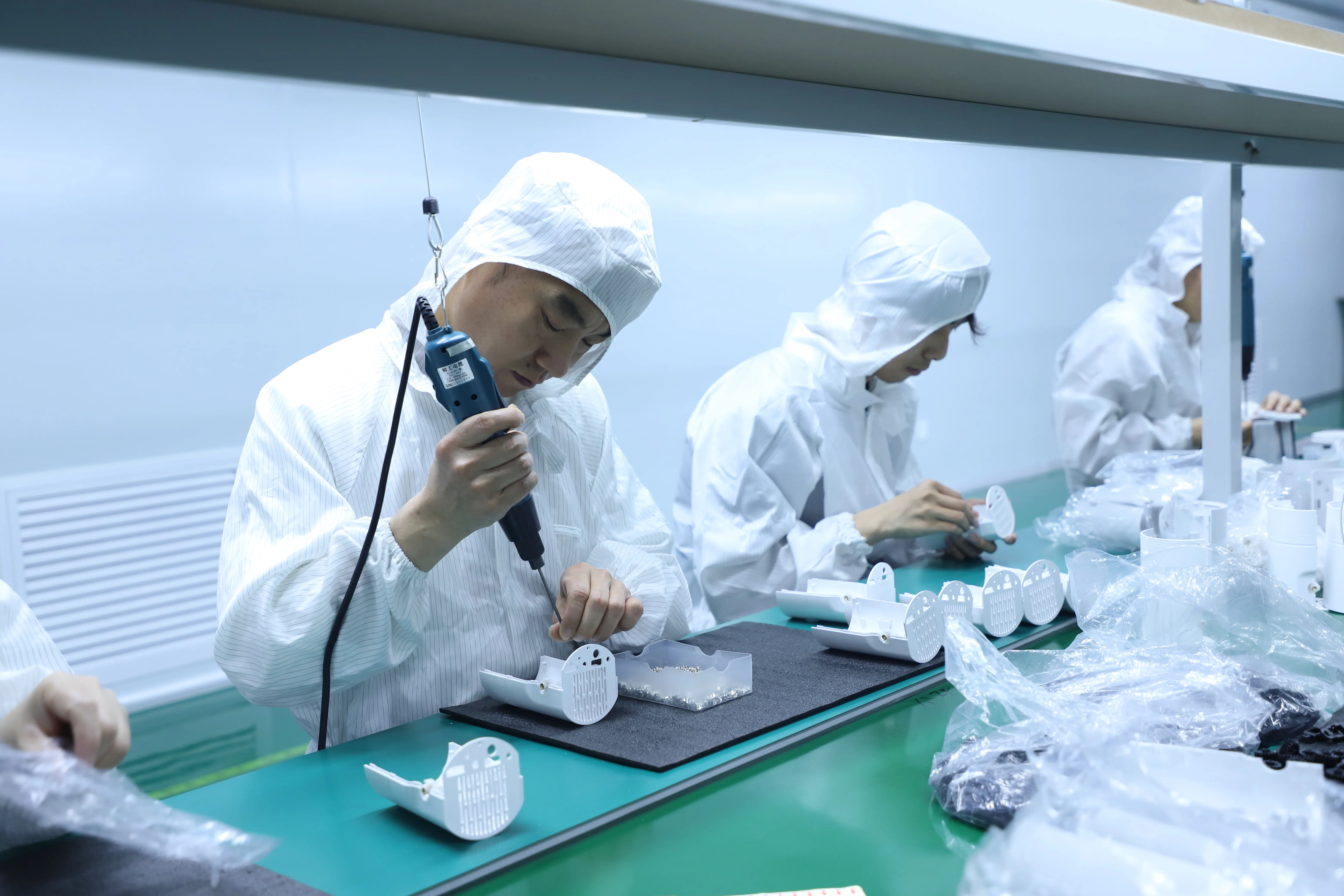
A structured PCBA prototype service addresses these risks by ensuring that prototype boards are manufactured under controlled conditions rather than rushed engineering shortcuts. Our engineering and SMT teams focus on building prototypes that accurately reflect future production behavior, allowing hardware validation to produce reliable engineering data.
Why Prototype Quality Defines Development Efficiency
Many companies focus primarily on prototype turnaround speed. While speed matters, inaccurate prototypes often create more delays later in development.
For example, a board with unstable solder joints may pass initial power testing but fail intermittently during thermal or functional validation. Engineers may spend days debugging what appears to be a circuit issue, when the root cause is assembly instability.
A professional PCBA prototype service minimizes this risk by:
- Applying controlled assembly parameters even in low-volume runs
- Validating component sourcing before production begins
- Maintaining consistent SMT and reflow conditions across prototype batches
Projects using disciplined prototype manufacturing often reduce redesign cycles by 20–35%, particularly in complex multilayer boards.
Material Validation and Component Stability
Prototype production frequently uses limited component quantities, making sourcing more challenging than standard manufacturing. Inconsistent suppliers or unverified substitutes can introduce misleading test results.
In practical prototype workflows:
- BOM review occurs before material procurement
- Substitute components are approved only after engineering verification
- Sensitive components are stored and handled under controlled conditions
This level of control ensures that prototype performance reflects actual design capability rather than material inconsistency.
A structured PCBA prototype service often improves:
- Prototype repeatability across engineering revisions
- Electrical consistency during validation
- Long-term compatibility with future production sourcing
Prototype Assembly and Process Consistency
Prototype builds are typically produced in smaller quantities, but this does not reduce the importance of process control.
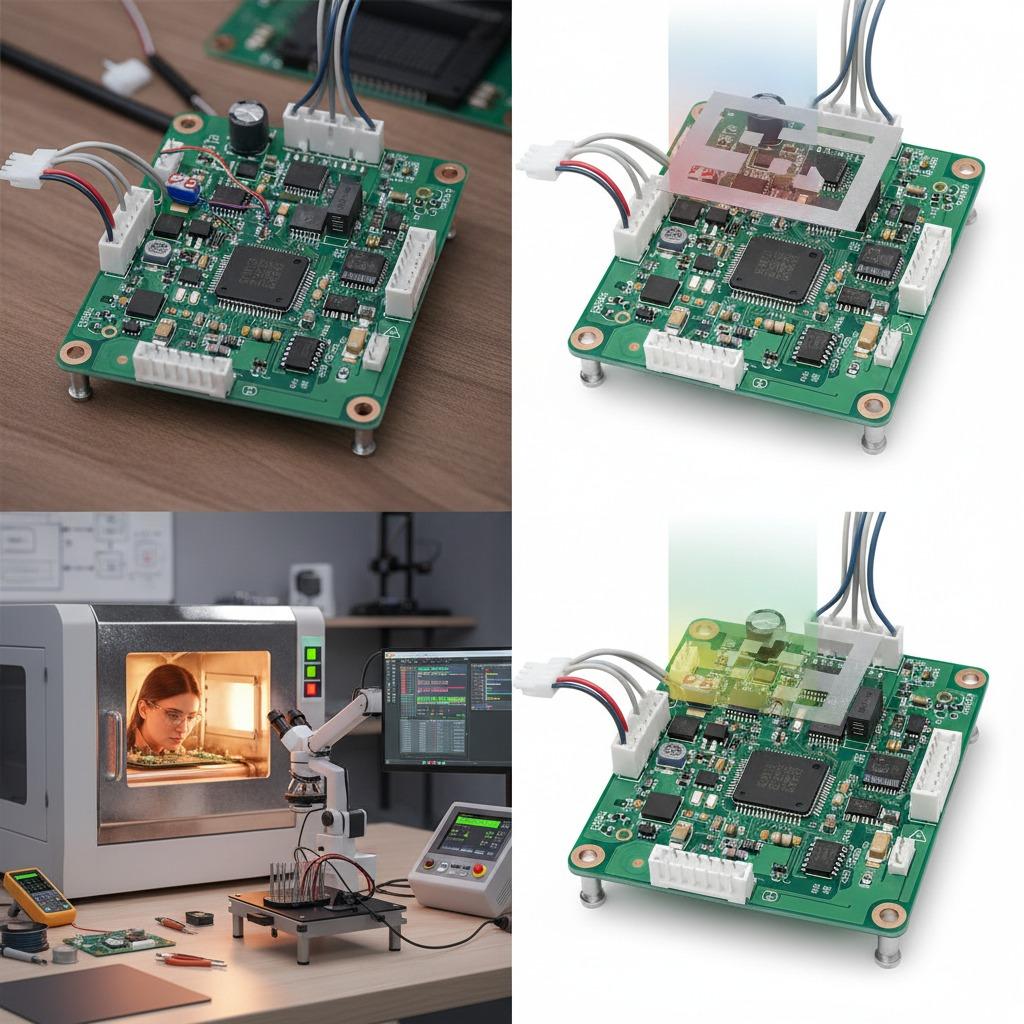
For example, reflow profiles that are not optimized for prototype boards can create hidden reliability problems that only appear during environmental testing.
A disciplined PCBA prototype service maintains:
- Controlled solder paste deposition
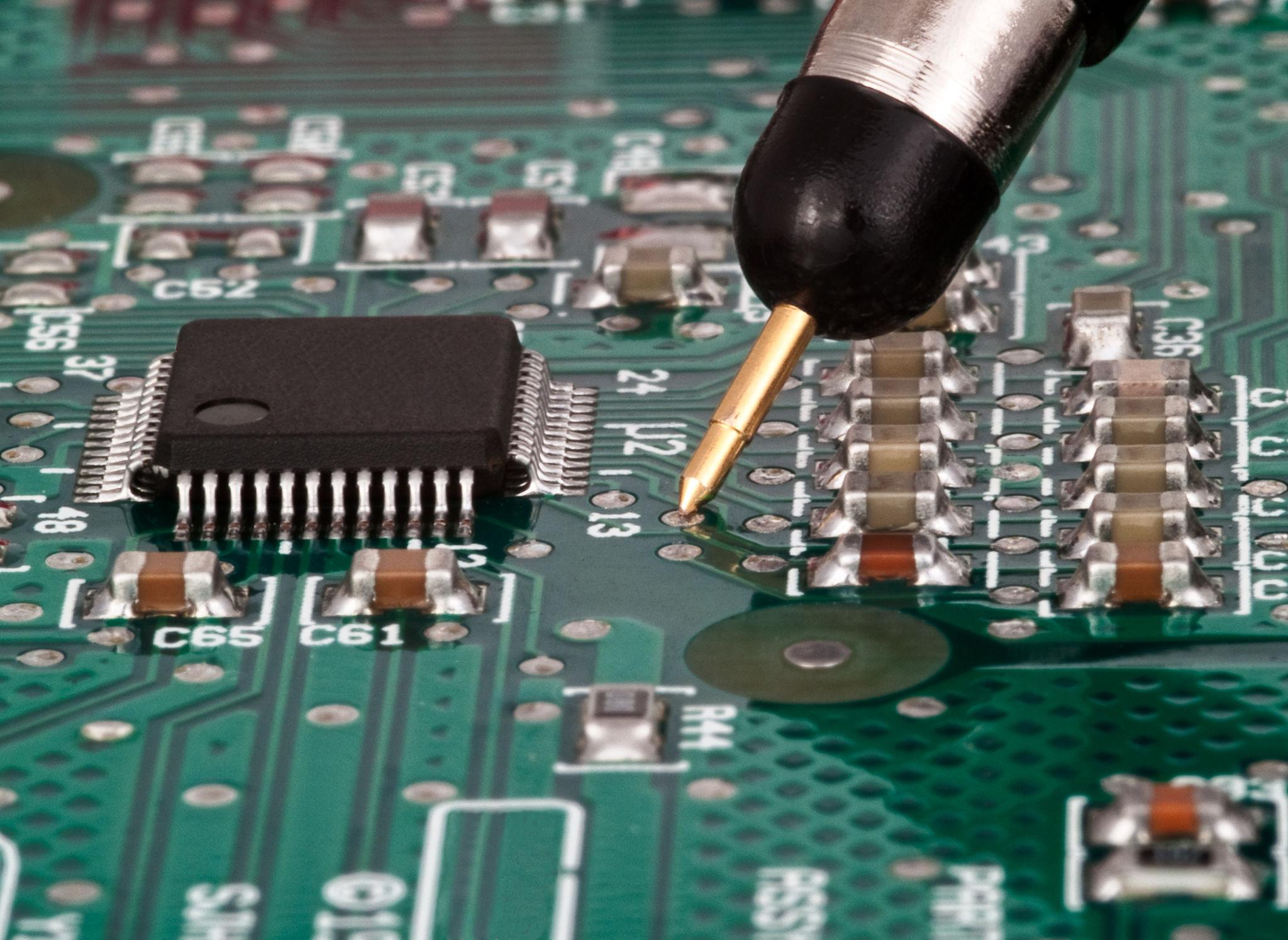
- Accurate placement for fine-pitch devices
- Stable thermal profiles during assembly
Manufacturers applying these controls commonly reduce assembly-related prototype failures by 25–40%, especially in high-density or mixed-signal designs.
Design Validation Before Production Scaling
The prototype stage should not only verify electrical functionality—it should also reveal potential manufacturing risks before volume production begins.
For instance:
- Trace spacing that works in prototypes may create yield issues at scale
- Connector placement may complicate automated assembly
- Thermal hotspots may become more severe during continuous operation
A mature PCBA prototype service therefore includes manufacturability review alongside electrical validation.
This approach helps engineering teams:
- Identify production risks earlier
- Reduce future tooling and assembly changes
- Improve transition efficiency from prototype to manufacturing
Key Prototype Factors and Their Impact
| Prototype Factor | Control Method | Typical Result |
|---|---|---|
| BOM verification | Engineering review before sourcing | Reduced material mismatch |
| Solder process control | Optimized stencil & reflow settings | Lower assembly defects |
| Component placement | Precision SMT alignment | Improved signal stability |
| Prototype testing | Functional and AOI inspection | Faster debugging cycles |
| Manufacturability review | DFM evaluation | Reduced production risk |
These controls ensure that prototypes provide reliable engineering validation rather than misleading test results.
Compliance and Documentation Readiness
Even during the prototype stage, manufacturing documentation and compliance planning remain important.
Key considerations include:
- RoHS material tracking
- Revision traceability between prototype versions
- Documentation alignment for future certification workflows
A structured PCBA prototype service ensures that engineering validation remains connected to future manufacturing and compliance requirements.
Frequently Asked Questions
Q1: Why do prototype boards behave differently from production boards?
Because prototype manufacturing processes are often less controlled than production workflows.
Q2: Can prototype quality affect development time?
Yes. Unstable prototypes increase debugging complexity and redesign cycles.
Q3: Is manufacturability review necessary during prototyping?
Absolutely. Early DFM analysis prevents larger problems during production scaling.
Why Prototype Accuracy Determines Production Success
A reliable PCBA prototype service delivers more than sample boards—it creates stable engineering platforms for validation, testing, and future manufacturing preparation. When material control, assembly consistency, and manufacturability review are integrated into the prototype stage, products move toward production with fewer risks and faster development cycles.
If you want to evaluate how prototype manufacturing quality affects your product development process, reviewing real PCBA engineering capability is the best starting point. You can learn more about our PCB and PCBA expertise here:
👉 https://www.hcdpcba.com
For projects involving rapid hardware iteration, multilayer boards, or complex prototype validation, early technical discussion can significantly improve development efficiency. You are welcome to contact our engineering team here:
👉 https://www.hcdpcba.com/en/contact-us