PCB Assembly Service for Reliable Production and Consistent Output Quality
In many hardware projects, the design phase receives most of the attention, but the real test begins during assembly.
Boards that pass electrical validation can still fail during assembly due to solder defects, placement inconsistencies, or process variation. These issues often appear only after production starts, when fixing them becomes more expensive and time-consuming.
Typical challenges include inconsistent solder joints, component misalignment, and yield fluctuations between batches. These are not isolated problems—they are indicators that the assembly process lacks structure.
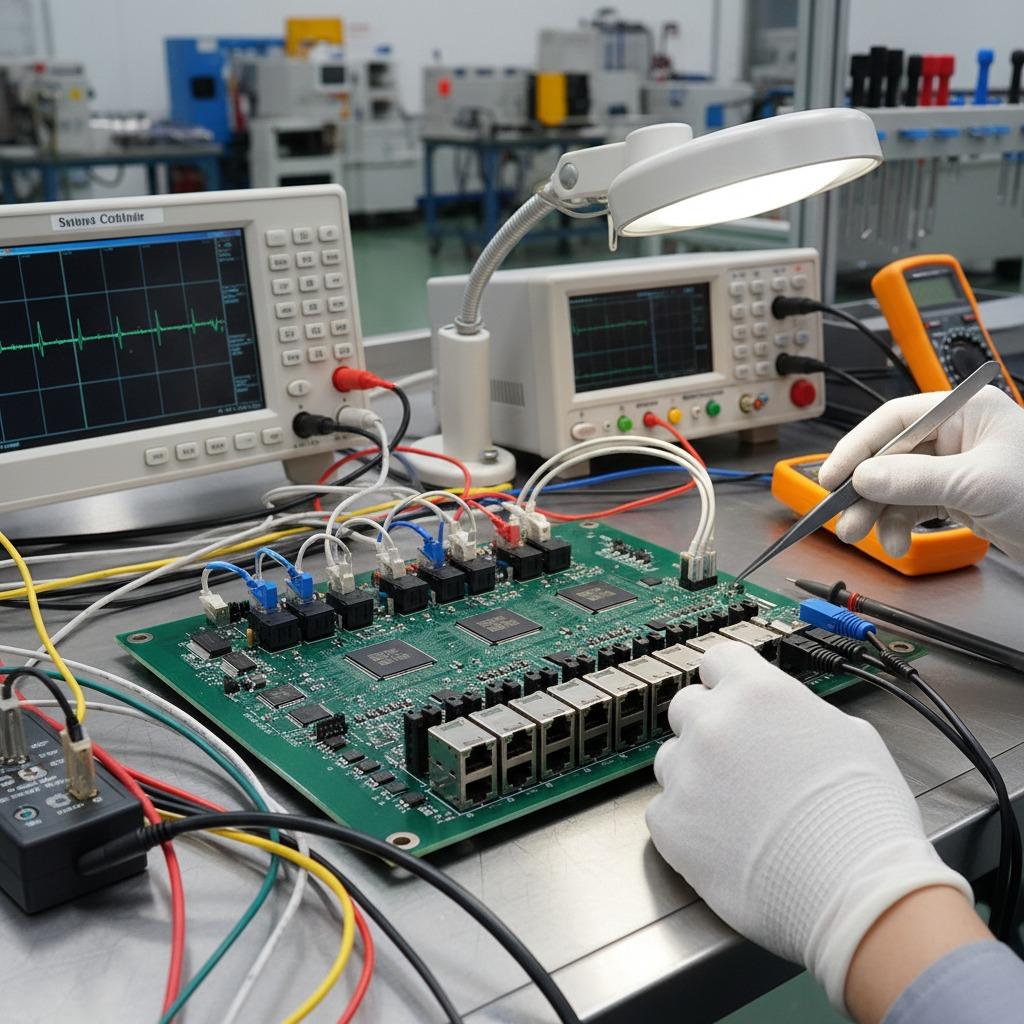
A professional PCB assembly service addresses these issues by integrating process control, material validation, and manufacturing discipline into every stage of production. By aligning engineering intent with assembly execution, our team ensures that boards not only function, but perform consistently across all units.
Why PCB Assembly Defines Product Reliability
Assembly is the point where design becomes reality. Even a well-designed PCB can perform poorly if assembly processes are inconsistent.
For example, slight variation in solder paste volume can lead to weak joints or bridging. Over time, these small defects can cause intermittent failures, especially under thermal stress or vibration.
A structured PCB assembly service ensures that:
- Soldering conditions are controlled and repeatable
- Component placement maintains electrical and mechanical integrity
- Process parameters remain stable across production runs
Projects with controlled assembly processes typically reduce defect rates by 20–30%, especially in medium- to high-complexity boards.
Material and Component Consistency
Component sourcing directly affects assembly outcomes. Variations in packaging, quality, or supplier consistency can introduce subtle but significant differences in final performance.
In real production environments:
- Approved component alternatives are validated before use
- Moisture-sensitive components are handled under controlled conditions
- Component storage and preparation follow strict standards
In a disciplined PCB assembly service, these practices lead to:
- Reduced variability across batches
- Improved electrical consistency
- Lower rework rates
Process Control and Yield Stability
Yield stability is not achieved through inspection alone—it is built into the process.
Key variables such as stencil design, solder paste type, and reflow temperature profiles must be optimized and fixed once validated. Any uncontrolled change can introduce recurring defects.
For instance, adjusting reflow profiles without proper validation may temporarily improve one defect type while creating another.
A well-managed PCB assembly service maintains:
- Stable reflow profiles
- Consistent placement accuracy
- Controlled process feedback loops
In production environments, this level of control can reduce rework rates by 25–40%.
Scaling Production Without Losing Control
Many assembly issues appear when production scales. What works for 50 units may not work for 5,000.
As volume increases, small variations accumulate. Process drift, operator differences, and material inconsistencies can all affect output quality.
In a structured PCB assembly service, scaling is managed by:
- Locking validated processes before ramp-up
- Standardizing workflows across lines
- Monitoring production data continuously
Manufacturers that follow these practices typically achieve:
- 10–20% improvement in production consistency
- Reduced defect escalation during scaling
Assembly Factors and Their Impact
| Assembly Factor | Control Method | Typical Result |
|---|---|---|
| Solder paste application | Optimized stencil design | 20–30% defect reduction |
| Component placement | High-precision machines | Improved alignment consistency |
| Reflow soldering | Controlled thermal profile | Reduced solder joint failure |
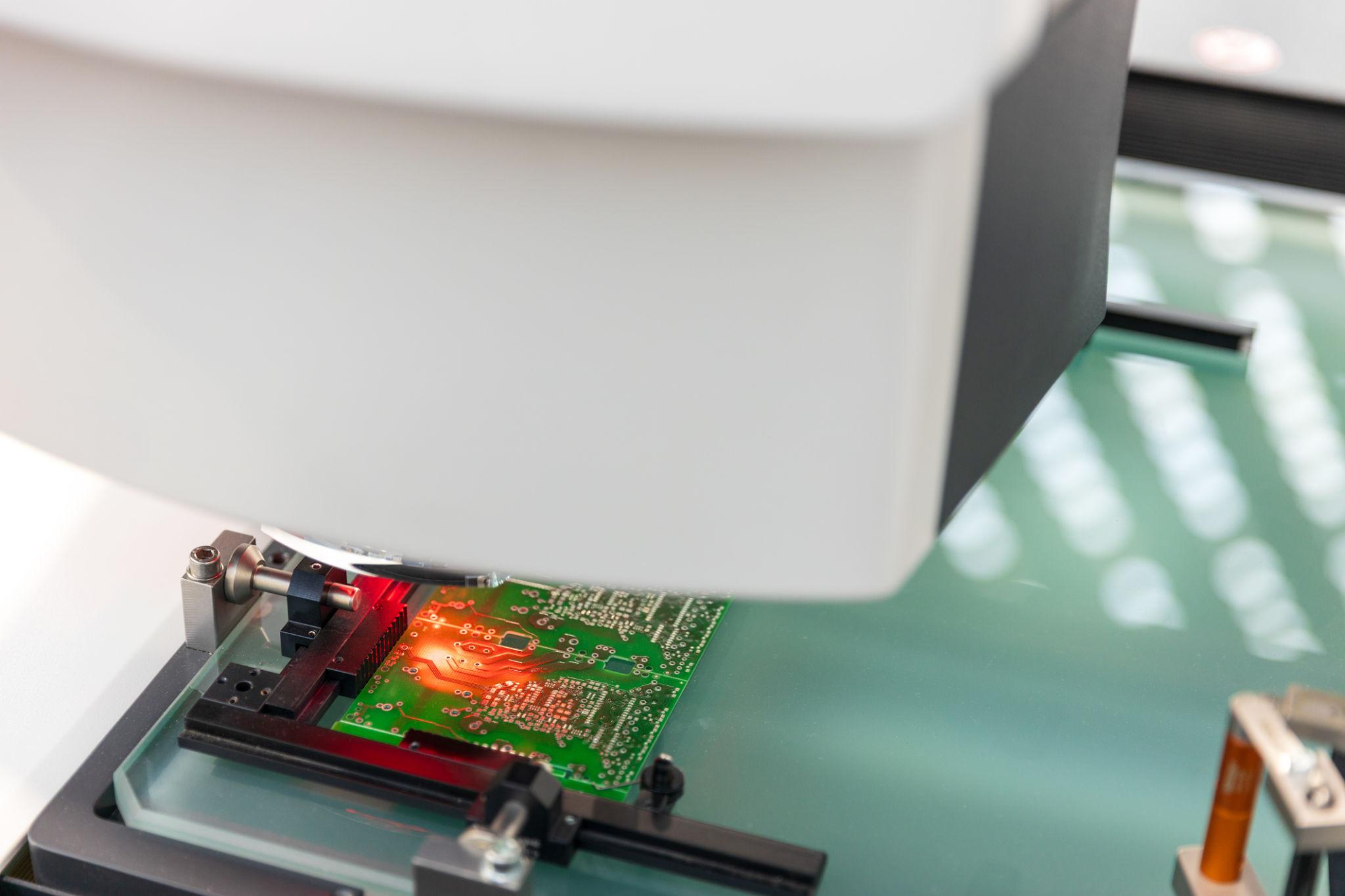
| Inspection strategy | AOI + functional testing | Early defect detection |
| Process monitoring | Data-driven control | Prevents defect recurrence |
These factors determine whether assembly is repeatable or unpredictable.
Compliance and Quality Standards
PCB assembly must meet regulatory and quality requirements depending on application.
Key areas include:
- RoHS compliance for materials
- ISO-based quality management systems
- EMC considerations for electronic performance
A structured PCB assembly service integrates these requirements into production, reducing the risk of certification issues.
Frequently Asked Questions
Q1: Why do assembly defects increase during scaling?
Because processes that are not fully standardized become unstable at higher volumes.
Q2: Can assembly quality affect product lifespan?
Yes. Poor solder joints and placement issues can reduce long-term reliability.
Q3: Is inspection enough to ensure quality?
No. Inspection detects problems, but process control prevents them.
Why Assembly Discipline Determines Product Success
A reliable PCB assembly service ensures that every board produced matches the original design intent—not just in functionality, but in consistency and durability. When material control, process stability, and manufacturing discipline are aligned, products can scale without introducing hidden risks.
If you want to understand how assembly quality impacts your product performance, reviewing manufacturing capability is a practical starting point. You can learn more about our PCB and PCBA expertise here:
👉 https://www.hcdpcba.com
For projects transitioning from prototype to production, early technical discussion can significantly improve outcomes. You are welcome to contact our team here:
👉 https://www.hcdpcba.com/en/contact-us