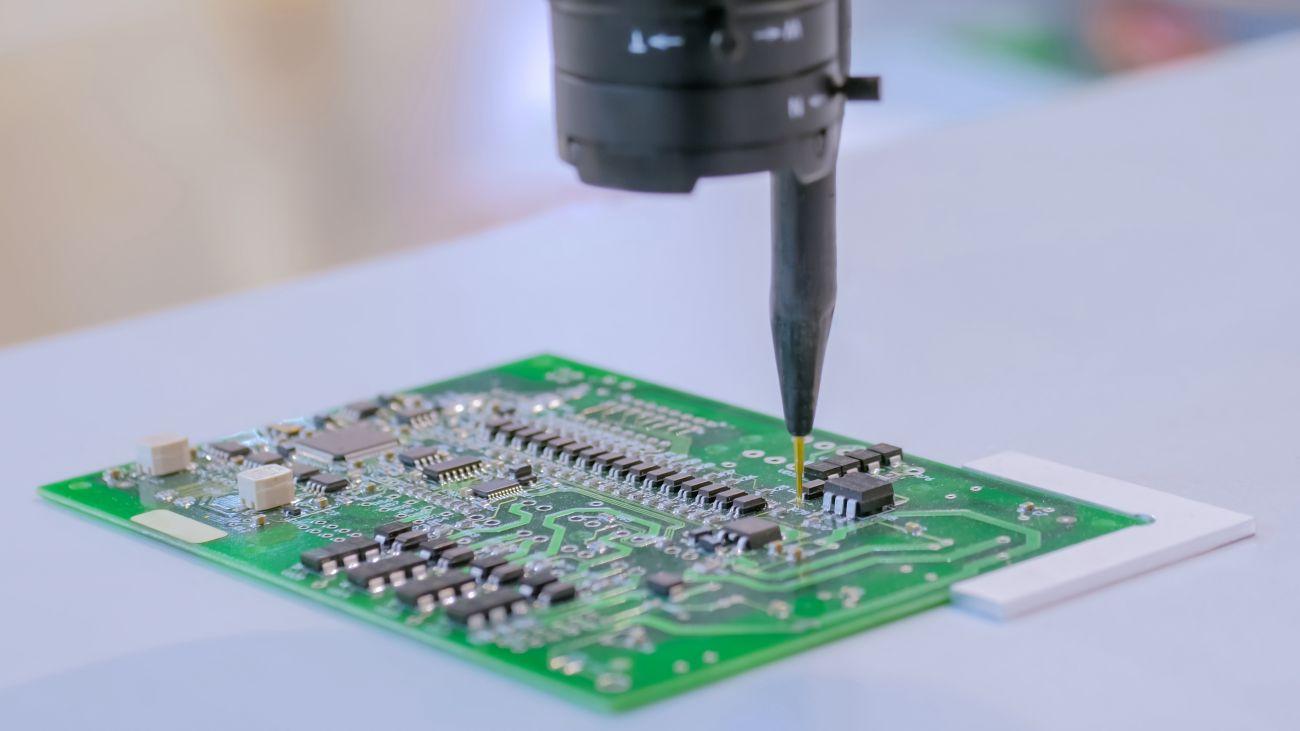
Low Volume PCBA Manufacturing for Flexible Production and Controlled Quality
Not every electronics project begins with large-scale production.
Many industrial, medical, AI, and OEM products start with limited production runs where flexibility matters more than pure manufacturing efficiency. However, small-batch production introduces its own challenges. Costs become harder to control, material sourcing becomes less predictable, and process variation has a greater impact because fewer units are available to absorb mistakes.
Many engineering teams discover that production methods optimized for high-volume manufacturing are inefficient or unstable when applied to smaller runs. Excessive setup costs, unnecessary material waste, and inconsistent assembly conditions often reduce both speed and reliability.
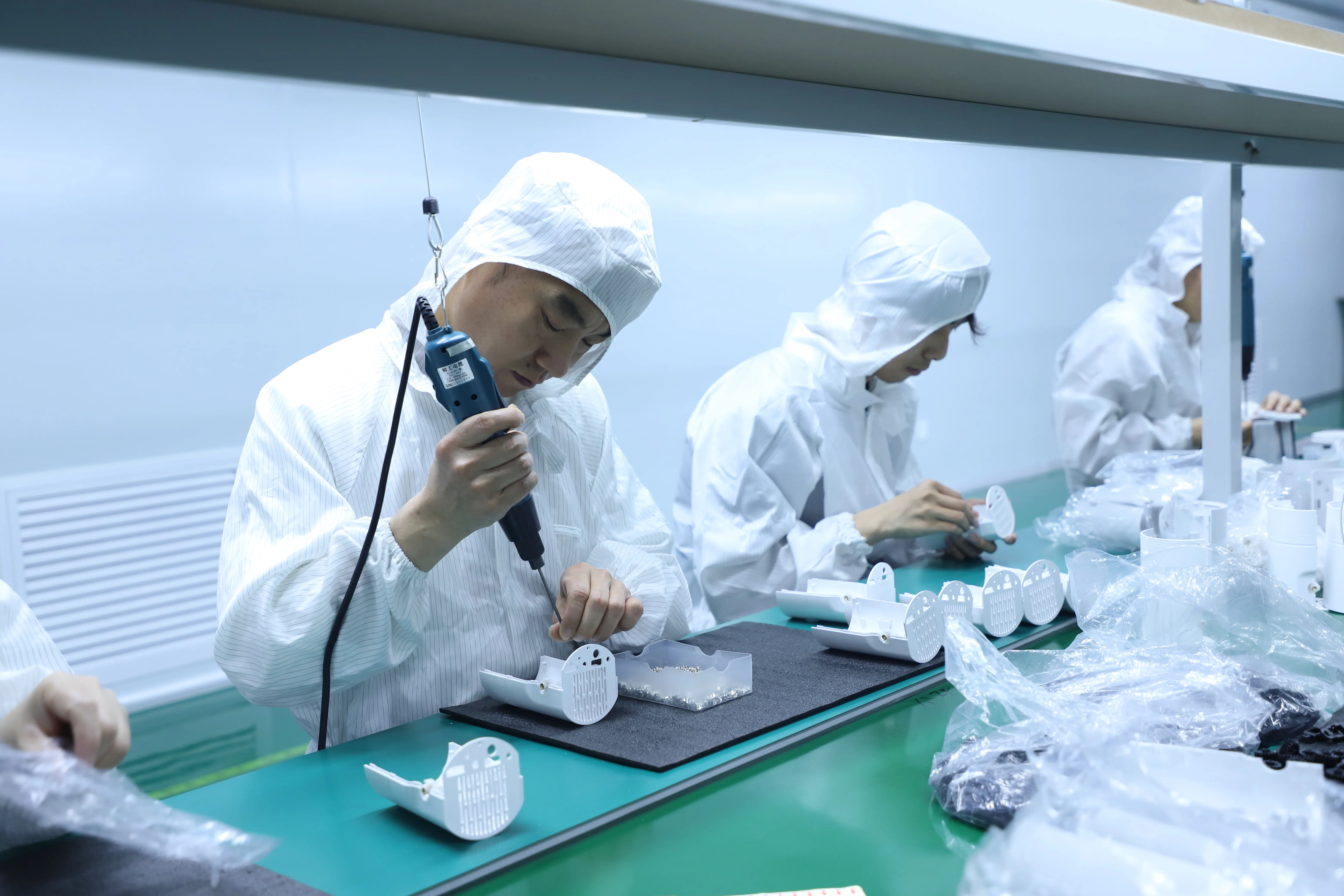
A structured low volume PCBA manufacturing process addresses these issues by adapting sourcing, SMT setup, and quality control specifically for small-batch production. Our engineering and production teams focus on maintaining manufacturing stability while preserving the flexibility needed for evolving hardware projects.
Why Small-Batch Manufacturing Requires a Different Approach
High-volume manufacturing prioritizes efficiency through repetition and standardized throughput. Low-volume production works differently. Product revisions occur more frequently, material demand changes rapidly, and engineering feedback cycles remain active.
For example, a production line optimized for tens of thousands of units may become inefficient when producing only a few hundred boards. Setup time, stencil preparation, and material allocation represent a much larger percentage of total production cost.
A reliable low volume PCBA manufacturing workflow therefore emphasizes:
- Flexible scheduling instead of maximum throughput
- Faster engineering response to design changes
- Reduced setup waste during small production runs
Projects using this approach often improve production flexibility by 20–35%, particularly during active product development phases.
Material Sourcing and Inventory Flexibility
Component sourcing becomes significantly more complex in low-volume projects. Buying excessive inventory increases cost, while insufficient stock can delay production entirely.
In practical manufacturing environments:
- Common components are prioritized to reduce sourcing delays
- Approved alternatives are validated before procurement
- Inventory planning aligns with projected engineering revisions
Without this discipline, low-volume projects frequently suffer from inconsistent materials between batches.
A professional low volume PCBA manufacturing process improves:
- Material utilization efficiency
- Supply chain responsiveness
- Prototype-to-production continuity
This is especially important for startups, OEM projects, and rapidly evolving hardware platforms.
Maintaining Process Stability in Limited Production Runs
One of the biggest misconceptions about small-batch manufacturing is that process control matters less. In reality, it matters more.
With fewer units available, even a small number of assembly defects can significantly affect yield percentage and project timelines.
For example, unstable solder paste printing in a 50-piece run may immediately reduce usable output by 10–15%. In larger production runs, the same issue may go unnoticed initially.
A disciplined low volume PCBA manufacturing system maintains:
- Controlled SMT setup even for short runs
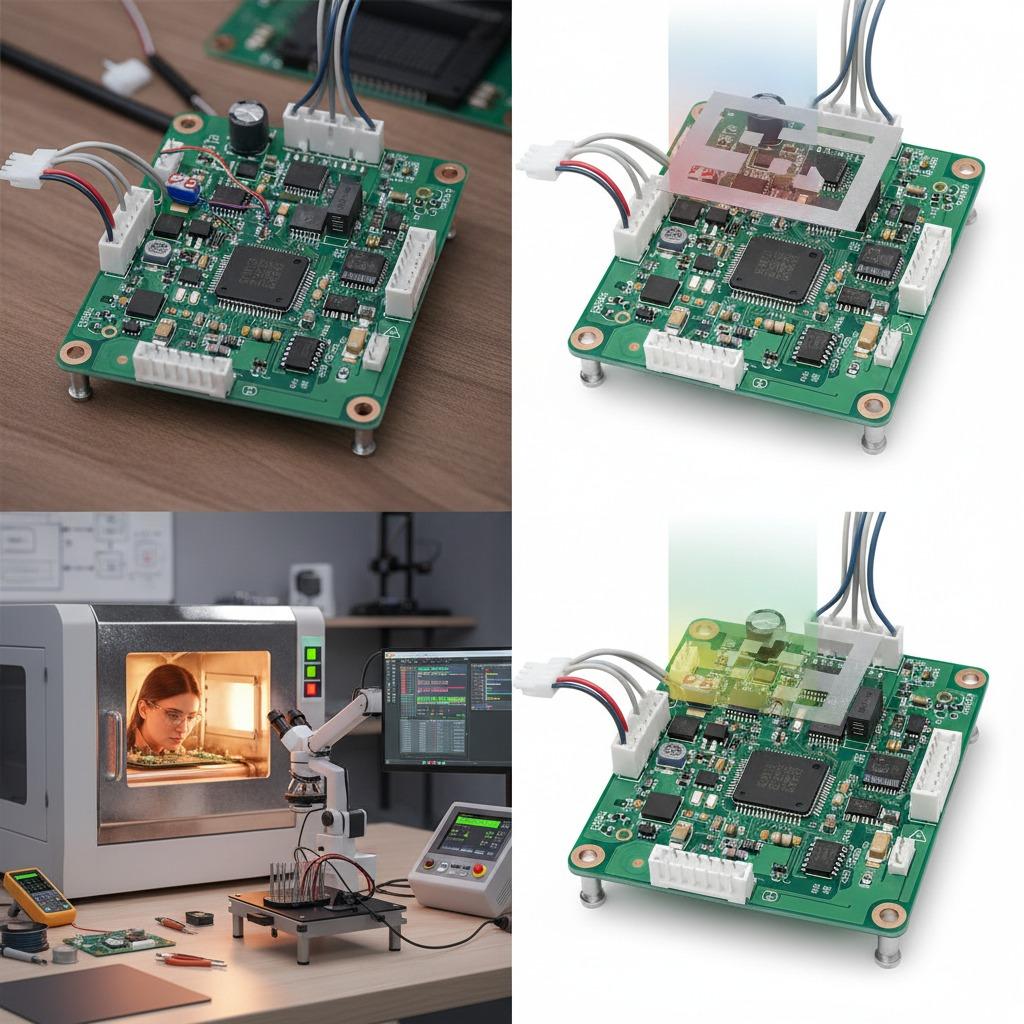
- Stable reflow profiles regardless of batch size
- Consistent placement accuracy for engineering builds
Manufacturers applying these controls commonly reduce assembly-related defects by 25–40% in low-volume environments.
Engineering Flexibility and Revision Management
Low-volume production often overlaps directly with engineering validation. Hardware revisions may occur between batches, requiring production systems to adapt quickly without introducing confusion.
A mature low volume PCBA manufacturing workflow therefore includes:
- Revision-controlled documentation
- Rapid engineering communication loops
- Batch traceability for every build version
This allows teams to identify how design changes affect manufacturing performance and electrical behavior.
Projects using structured revision management typically reduce redesign-related delays by 15–30%.
Key Manufacturing Factors and Their Impact
| Manufacturing Factor | Control Method | Typical Result |
|---|---|---|
| Small-batch setup | Flexible SMT scheduling | Reduced setup waste |
| BOM coordination | Early sourcing validation | Improved material stability |
| Reflow consistency | Controlled thermal profile | Lower solder defects |
| Revision tracking | Batch-level documentation | Faster engineering feedback |
| Inspection strategy | AOI + functional testing | Reduced debugging time |
These controls ensure that low-volume production remains stable rather than unpredictable.
Preparing for Future Production Scaling
Small-batch production should not exist in isolation. The best low-volume manufacturing systems are designed with future scalability in mind.
For example:
- SMT programs should remain transferable to larger lines
- Material sourcing should support future volume increases
- Assembly documentation should already align with production standards
A structured low volume PCBA manufacturing process allows products to transition into larger production runs without rebuilding the entire manufacturing workflow.
Compliance and Quality Assurance
Even small production runs must maintain quality and compliance standards, especially for industrial, medical, and export-oriented projects.
Key considerations include:
- RoHS material compliance
- Revision traceability
- Controlled handling of sensitive components
- Documentation consistency for future certification
Integrating these controls early reduces long-term production risk.
Frequently Asked Questions
Q1: Why is low-volume manufacturing sometimes more expensive per unit?
Because setup time and material handling costs are distributed across fewer boards.
Q2: Can low-volume production maintain the same quality as mass production?
Yes. Stable process control is more important than production quantity.
Q3: Is low-volume manufacturing suitable for OEM projects?
Absolutely. Many OEM products begin with controlled small-batch production before scaling.
Why Flexible Manufacturing Requires Structured Control
A reliable low volume PCBA manufacturing system balances flexibility, engineering responsiveness, and production stability. When sourcing, assembly, and revision management are aligned, small-batch production becomes an efficient step toward scalable manufacturing rather than a temporary workaround.
If you want to evaluate how low-volume manufacturing can support your hardware development and OEM projects, reviewing real production capability and engineering coordination is the best starting point. You can learn more about our PCB and PCBA expertise here:
👉 https://www.hcdpcba.com
For projects involving prototypes, engineering revisions, or small-batch production, early technical discussion can significantly improve efficiency and reduce manufacturing risk. You are welcome to contact our engineering team here:
👉 https://www.hcdpcba.com/en/contact-us