Why the Infant Nose Cleaner Mainboard deserves more attention than it usually gets
The Infant Nose Cleaner Mainboard is not the flashy part of a baby care appliance, but it is the part that decides whether the device feels calm, controlled, and safe in use. For engineers and sourcing teams, that matters. A nasal suction product may look simple from the outside, yet its control board has to manage motor behavior, user input, power delivery, and noise-sensitive operation without making the product feel harsh or unreliable.
When buyers compare options for a baby nasal aspirator, they are usually not just buying a PCB. They are deciding how well the final product will handle low-noise operation, compact packaging, repeated use, and production consistency. That is why a Nasal Suction Device Control Board 5. is worth evaluating as part of the whole appliance design, not as a late-stage component swap.
What the control board actually has to do
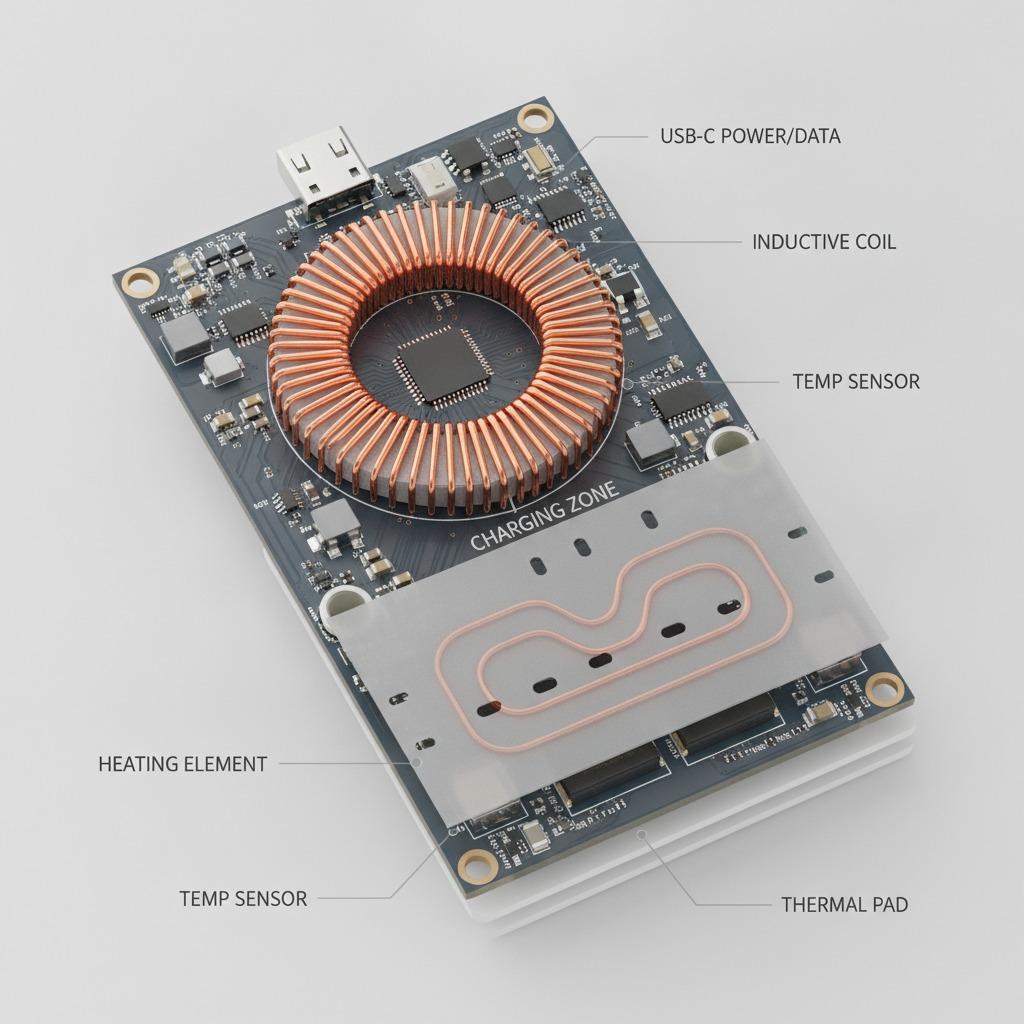
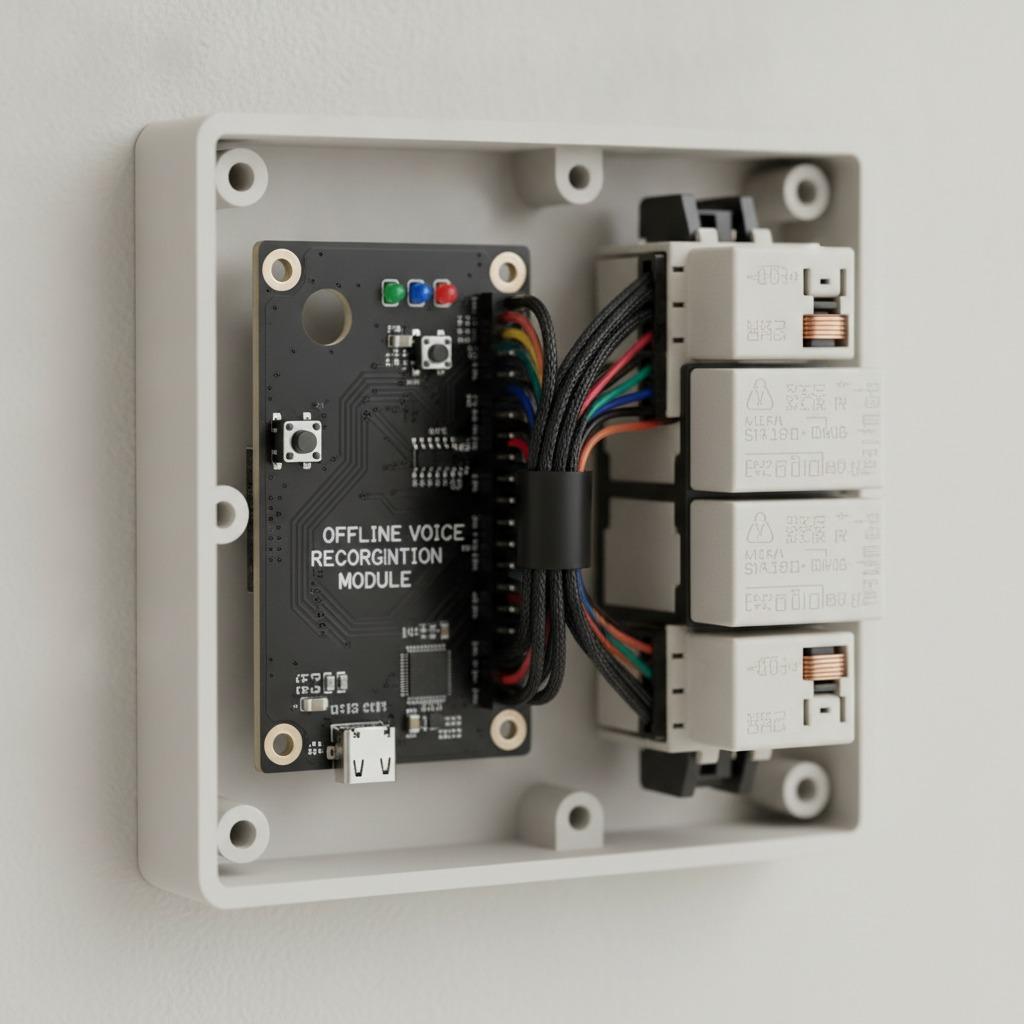
A Baby Care Appliance PCBA in this category usually supports several practical functions at once. It may regulate suction levels, coordinate motor start-up and shut-down, monitor button or switch inputs, and support battery or charging management depending on the product architecture. In real products, the board also has to tolerate the small annoyances of consumer use: a parent pressing a button too quickly, a weak battery, or a device being stored between uses and brought back into service after some time.
That is where design discipline matters. A board that is technically functional but electrically noisy, power-hungry, or difficult to assemble can create downstream problems that are expensive to fix. The final appliance may still work, but it may sound unpleasant, consume battery faster than expected, or trigger customer complaints that are hard to trace back to the board.
Low noise is not a marketing detail
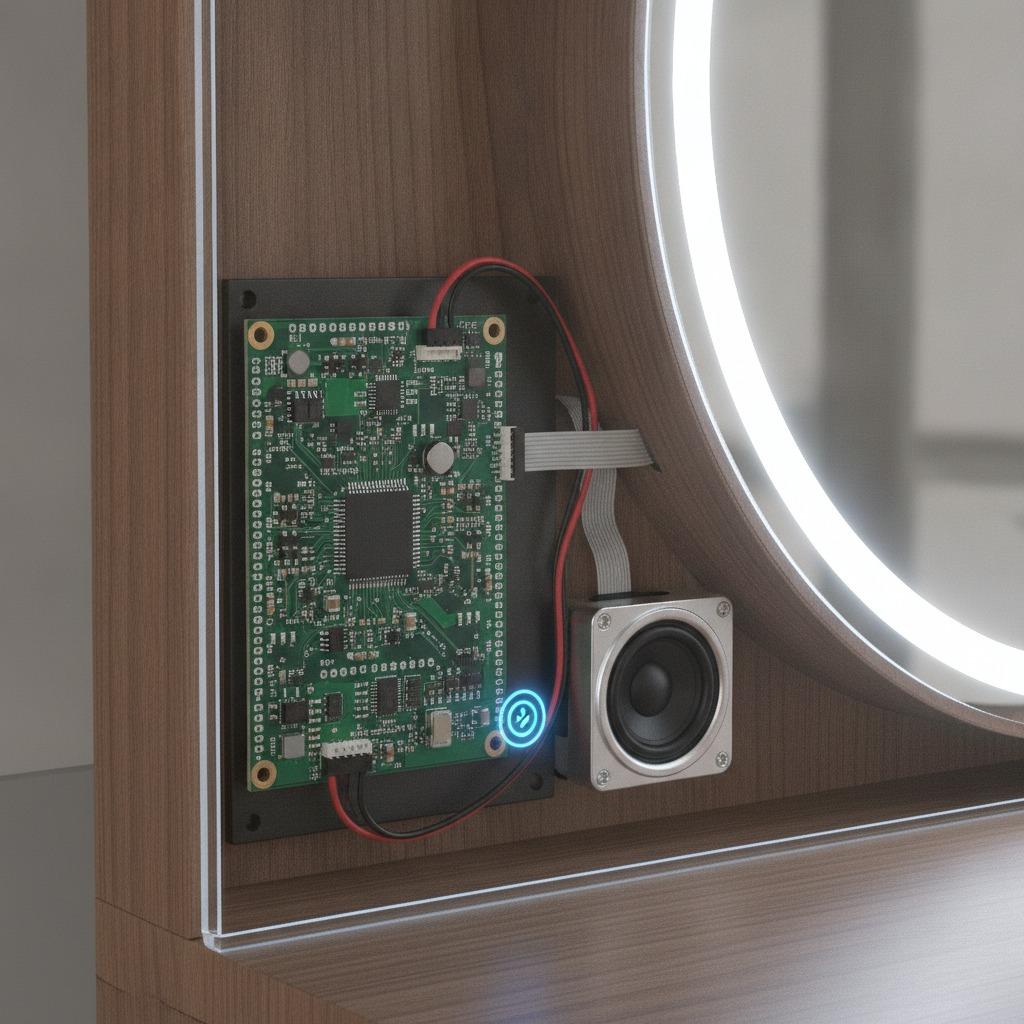
In a baby nasal aspirator, low noise is more than a comfort feature. It affects whether the device is accepted by caregivers at all. A Low noise baby nasal aspirator control PCBA typically needs a stable drive strategy, decent layout discipline, and careful attention to how the motor load is switched or modulated. Even small electrical choices can change the user’s impression of the product.
One practical caution: low noise on paper does not always mean low noise in an assembled unit. Housing design, motor choice, vibration paths, and board mounting all interact. Buyers should treat the PCB as one part of a system and ask for validation in the actual enclosure whenever possible.
Key selection points for engineering and sourcing teams
If you are comparing a Household appliance PCBA solution 5. against other approaches, the useful questions are usually basic but revealing:
Does the layout support compact consumer packaging without forcing awkward cable routing? Can the design be manufactured consistently in SMT assembly? Is the board easy to test during production? Does it leave enough room for battery, motor, indicator, and protection circuitry without turning the product into a troubleshooting exercise?
For baby care products, the answer should also include a reliability question: how does the board behave when the device is used repeatedly under real household conditions? That is a buyer-facing issue, not just an engineering one.
What hcdpcba brings to this kind of project
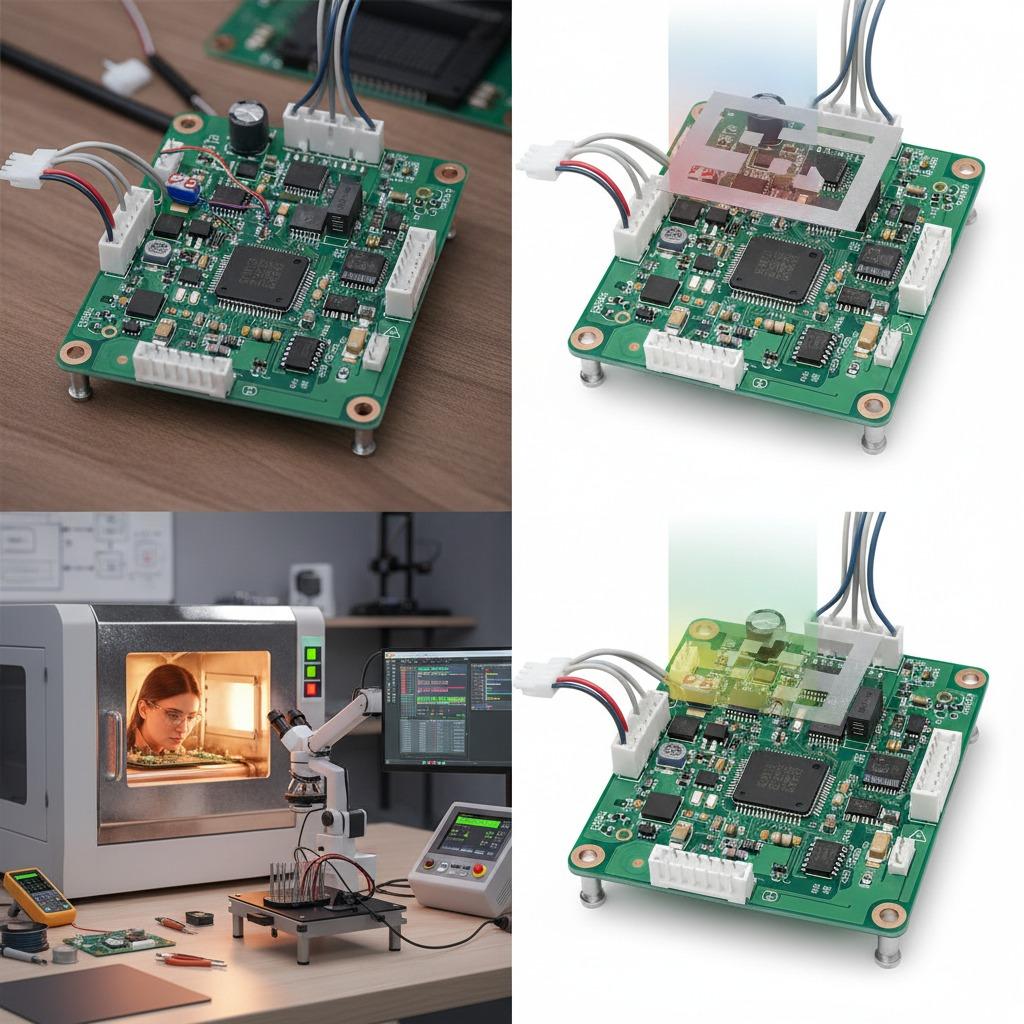
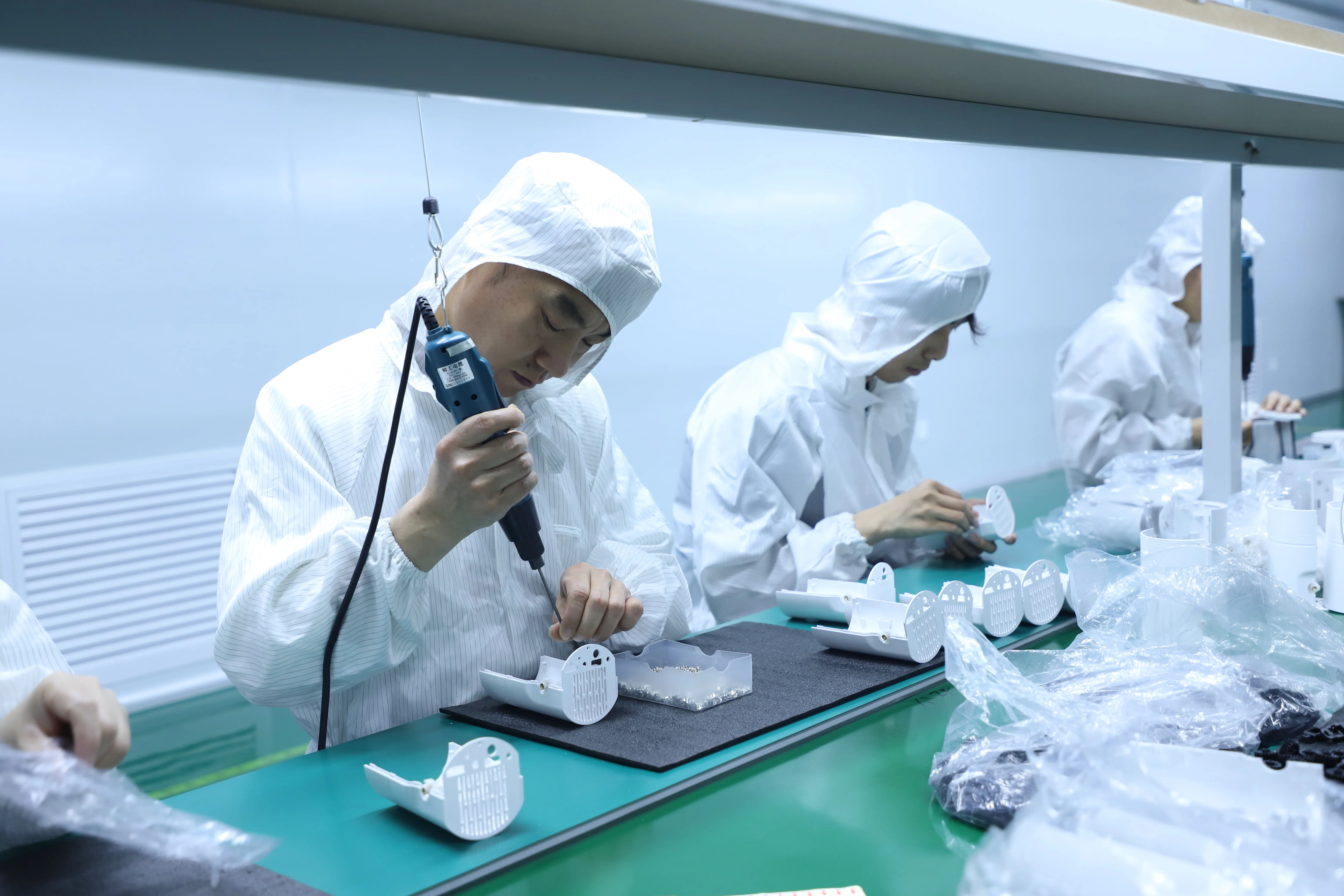
hcdpcba positions itself as a PCBA and SMT manufacturing partner with support for PCB prototyping, SMT assembly, component sourcing, assembly, testing, DFMA services, and OEM/ODM work. The company also notes experience across industrial control, medical, automotive electronics, IoT, smart home, power, and communications applications. That breadth can be useful when a baby care appliance project needs both production practicality and controlled documentation.
For a control board like this, the useful value is not a slogan. It is the ability to move from prototype to production with fewer handoffs. If the design team needs help checking whether the board is manufacturable, or if the sourcing team wants a partner that can manage component procurement and assembly under one roof, that can shorten the loop. The company also highlights small-batch and large-batch SMT support, which is helpful when a product is still being tuned before volume launch.
Common mistakes buyers make
The biggest mistake is over-focusing on the device shell and under-specifying the electronics. A neat enclosure does not rescue a board that is difficult to assemble or inconsistent in testing. Another common issue is assuming every supplier understands the sensitivity of baby care appliances. They may understand general consumer electronics, but the expectations for noise, tactile behavior, and perceived safety are higher here.
Buyers should also be careful with vague requirements. Saying “make it low noise” is not enough. The team needs to align on the motor behavior, operating modes, power source, and test method before the layout is frozen. Otherwise, the redesign cost tends to show up later, when it is least convenient.
Practical buying advice
Ask for a review of manufacturability early, especially if the product must be compact. Ask how the board will be tested during production. Ask whether the supplier can handle component sourcing without pushing unknown substitutions into the build. And if the project is sensitive, use a clear confidentiality process; that is standard practice in this category and worth insisting on.
For teams still at the comparison stage, the right board is usually the one that balances controlled noise, stable operation, and production simplicity rather than chasing an elegant schematic that is hard to build. That is often the difference between a nice concept and a product that ships without constant rework.
FAQ
Is an Infant Nose Cleaner Mainboard the same as a general consumer PCB?
Not quite. The functional demands are narrower, but the user sensitivity is higher. Noise, size, and reliability matter more than they might in many ordinary household devices.
Can one PCBA platform fit multiple baby care products?
Sometimes, but only if the electrical and mechanical requirements are close enough. Reuse can save time, yet forcing one platform into very different products often creates compromise.
Next step
If you are sourcing an Infant Nose Cleaner Mainboard or evaluating a Baby Care Appliance PCBA for production, start with the use case, then work backward into manufacturability and test strategy. A capable partner such as hcdpcba can support that process through PCB prototyping, SMT assembly, sourcing, assembly, and testing. For projects where noise control and stable operation are non-negotiable, that early coordination is usually worth more than chasing the lowest initial quote.