Why PCB design and SMT assembly PCB work decides the quality of a compact appliance
When a small air-treatment device or smart cleaning unit fails, the problem is often not the plastic shell or even the motor. It is the board. In a compact product, PCB design and SMT assembly PCB choices determine whether fan control stays stable, whether sensor feedback is believable, and whether the unit feels responsive or simply erratic. For engineers and sourcing teams, that makes the board a commercial decision as much as a technical one.
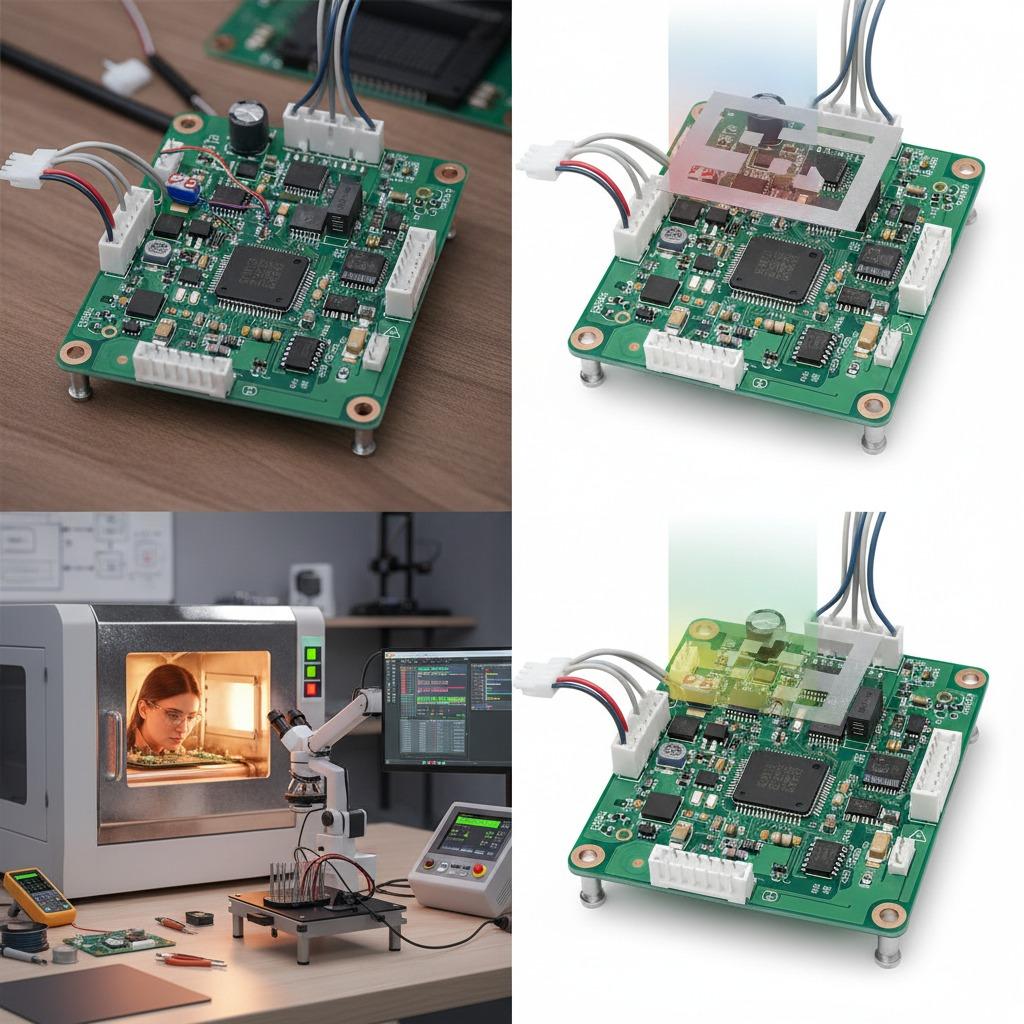
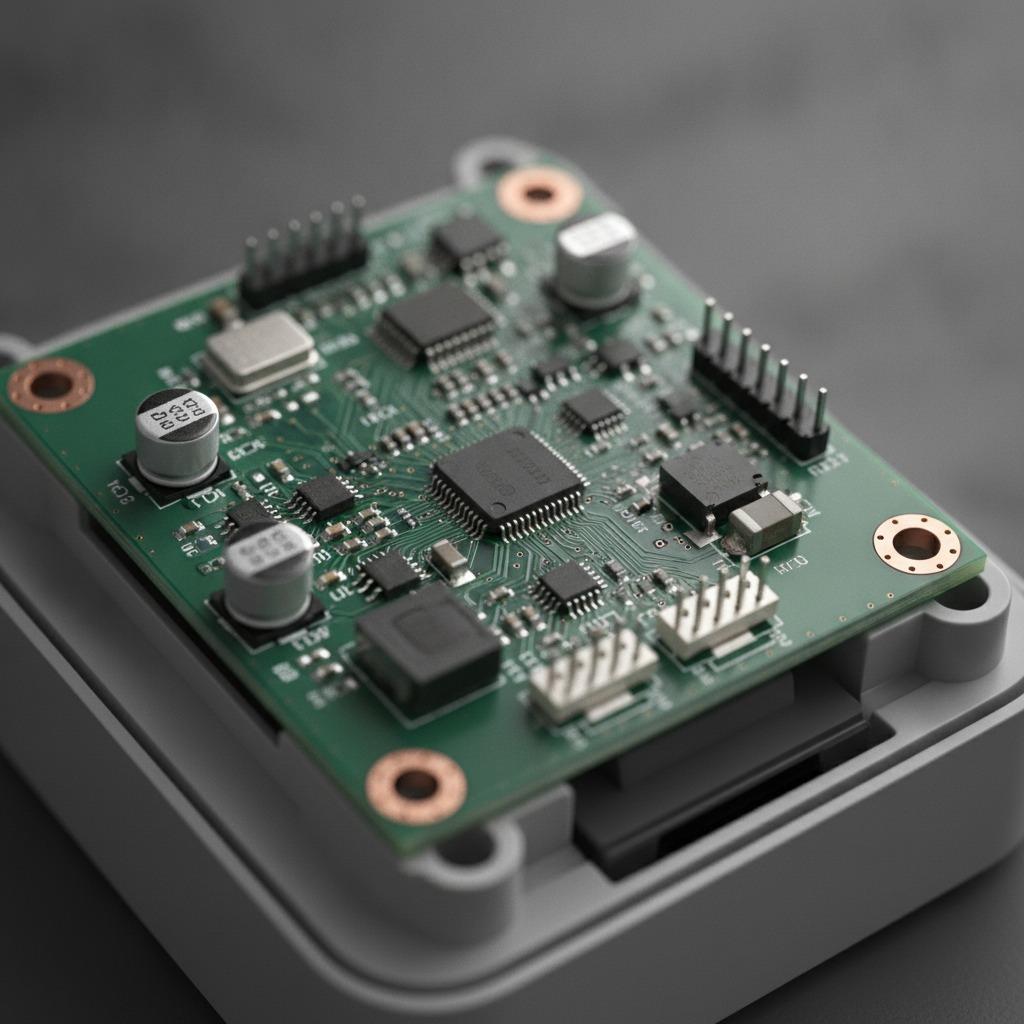
The visible product details here point to a high-integration control module: a green PCB with surface-mounted parts, multiple connectors, mounting holes, and a compact layout built around appliance control. Labels such as Fan Control, Sensor Detection, Power Management, and Indicator Display suggest a main board meant to coordinate several functions at once. That is typical of modern compact appliances, where one board has to do the job of several older discrete modules.
What this kind of control board is expected to do
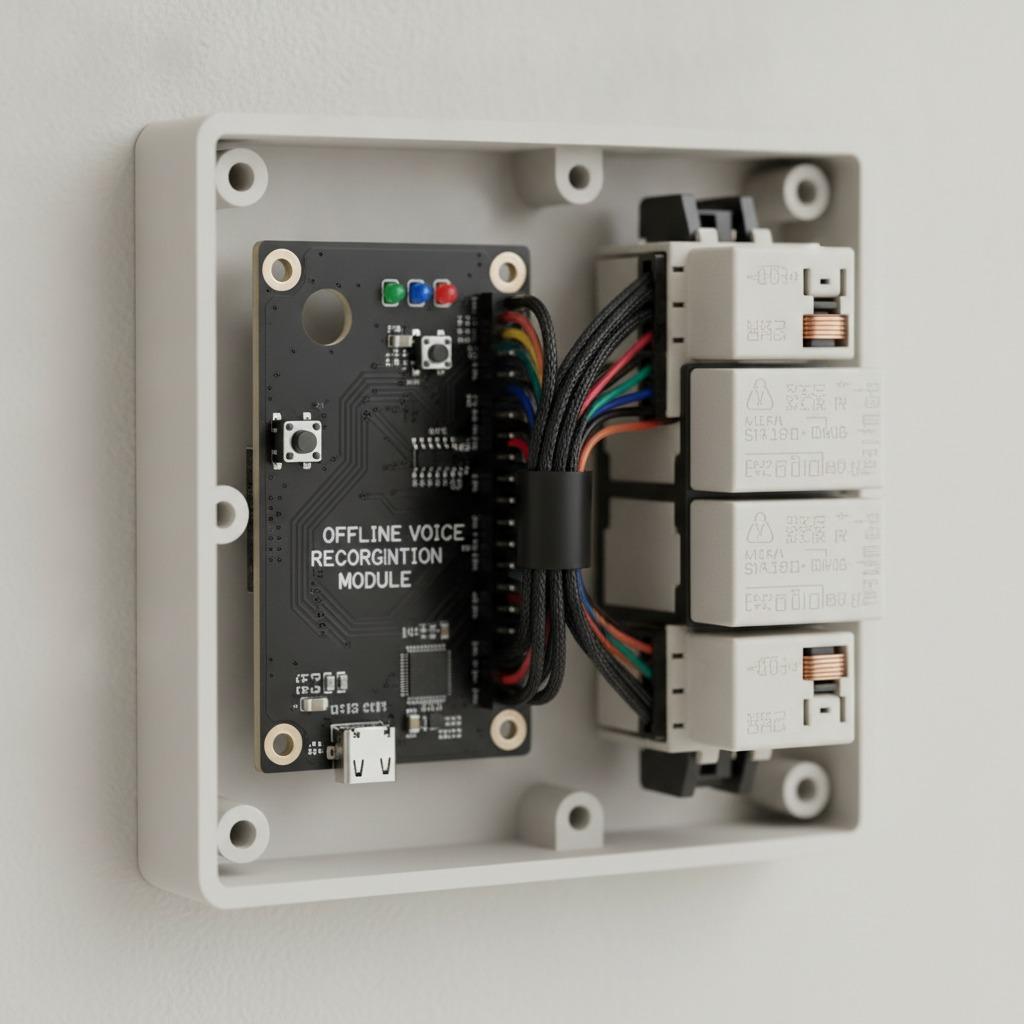
A board like this usually sits at the center of a small system and manages the basic operating logic. In an air purifier, dust-collection unit, or similar device, it may read sensor signals, switch fan speeds, manage power distribution, and drive LEDs or status icons. The image also suggests harness-style connectors, which matters because appliance OEMs often want clean wiring paths and faster assembly on the line.
That sounds straightforward, but it is where many projects get expensive. A board can work on the bench and still fail in the product because the connector orientation is awkward, the thermal load was underestimated, or the layout left too little margin for assembly variation. This is why custom circuit board development is rarely just about fitting parts onto copper. It is about making the board manufacturable, testable, and stable once it leaves the factory.
SMT assembly is not just a production step
For a board like the one shown, SMT is the backbone of the build. Dense passives, ICs, and compact connectors are all consistent with a board intended for automated placement and reflow. In practical terms, SMT supports smaller size, better repeatability, and easier scaling from prototype to volume production.
But SMT also brings discipline. Component spacing, polarity marking, footprint selection, and solder paste control all affect yield. On a highly integrated board, a poor pad design or a connector placed too close to a tall component can complicate inspection and rework. Buyers sometimes focus on BOM cost alone; in reality, assembly behavior often matters more once the first pilot run starts.
What sourcing teams should look at first
If you are evaluating a supplier for an appliance control board, start with the basics that affect manufacturing outcomes:
- Board density and routing complexity
- Connector count and cable direction
- Whether the layout supports stable SMT assembly
- Test access for board-level inspection and functional checks
- Support for DFMA-style review before tooling or mass build
The image shows a compact board with several labeled functions, which is useful for a modular product strategy. Modular control boards reduce some integration risk, but only if the interfaces are clear and the final machine architecture is fixed early. If the device platform is still changing, even a good board can become a moving target.
Common mistakes in appliance PCB projects
One common mistake is assuming the control board will be the same across product variants just because the enclosure looks similar. A fan profile, sensor package, or indicator layout can force real changes in the PCB. Another is underestimating the effect of cable routing. White plug connectors are visible on the board here, and that usually means the harness design needs to be considered alongside the PCB layout, not after it.
A second mistake is treating testing as an afterthought. For boards used in air-cleaning or dust-collection equipment, functional testing matters because the product is user-facing: if sensor detection is noisy or power management is inconsistent, the customer notices immediately. Small appliances do not get much forgiveness from end users.
Where this board type fits in the market
This kind of PCB assembly fits well in home appliances, smart ventilation products, compact air-handling systems, and some robotics or cleaning devices. The same architecture can also support OEM/ODM development when a brand needs a board tied to its own control logic rather than an off-the-shelf module.
hcdpcba lists PCB prototyping, SMT assembly, component sourcing, assembly, testing, and DFMA support, which is the right mix for this category of product. In board programs like this, the most valuable supplier is usually not the one promising the most features, but the one who can keep the build consistent while helping the design survive real manufacturing constraints.
Buyer advice before you move to prototype
Before you release drawings, check whether your supplier can review manufacturability early, not after the first defects appear. Ask for a layout discussion around connectors, board size, mounting holes, and test points. If your product uses sensor detection or fan control, make sure the electrical interfaces are settled before you lock the enclosure.
That sounds basic, but it saves time. A clean PCB design can still produce a frustrating product if the board is hard to assemble or difficult to verify.
FAQ
Is this board only for air purifiers?
Not necessarily. The visible functions and form factor suggest air-treatment or compact appliance control, but similar boards are also used in related fan, filtration, or small embedded systems.
What makes SMT assembly important here?
It supports compact placement, repeatability, and scalable production for a dense control board.
Can this kind of board be customized?
Yes, typically through custom circuit board development and OEM/ODM support, provided the product requirements are defined early.
What should I ask a PCB supplier first?
Ask about design-for-manufacture review, component sourcing, assembly testing, and whether they can handle both prototype and production builds.
Next step for product teams
If you are planning a compact appliance or air-treatment product, treat the control board as a core system, not a commodity. A supplier that can handle PCB design and SMT assembly PCB work together is usually better positioned to reduce rework, protect timelines, and keep the product stable after launch. For programs that need custom control logic, modular connectors, and board-level testing, that integrated approach is often the practical place to start.