For companies developing electronic products, choosing the right OEM PCBA manufacturer is one of the most important decisions during product development and mass production. A reliable PCBA partner does not only assemble circuit boards but also supports engineering review, component sourcing, SMT production, testing, quality control, and long-term manufacturing.
Today, OEM PCBA services are widely used in industries including smart home devices, industrial control systems, automotive electronics, medical equipment, IoT products, security devices, consumer electronics, and embedded systems.
However, selecting a suitable manufacturer is not only about comparing prices. Buyers need to evaluate manufacturing capability, engineering support, production quality, supply chain management, testing standards, and customization ability.
HCDPCBA provides one-stop electronics manufacturing solutions, including PCB prototyping, SMT assembly, PCBA manufacturing, component sourcing, DFMA engineering support, testing, and OEM/ODM production.
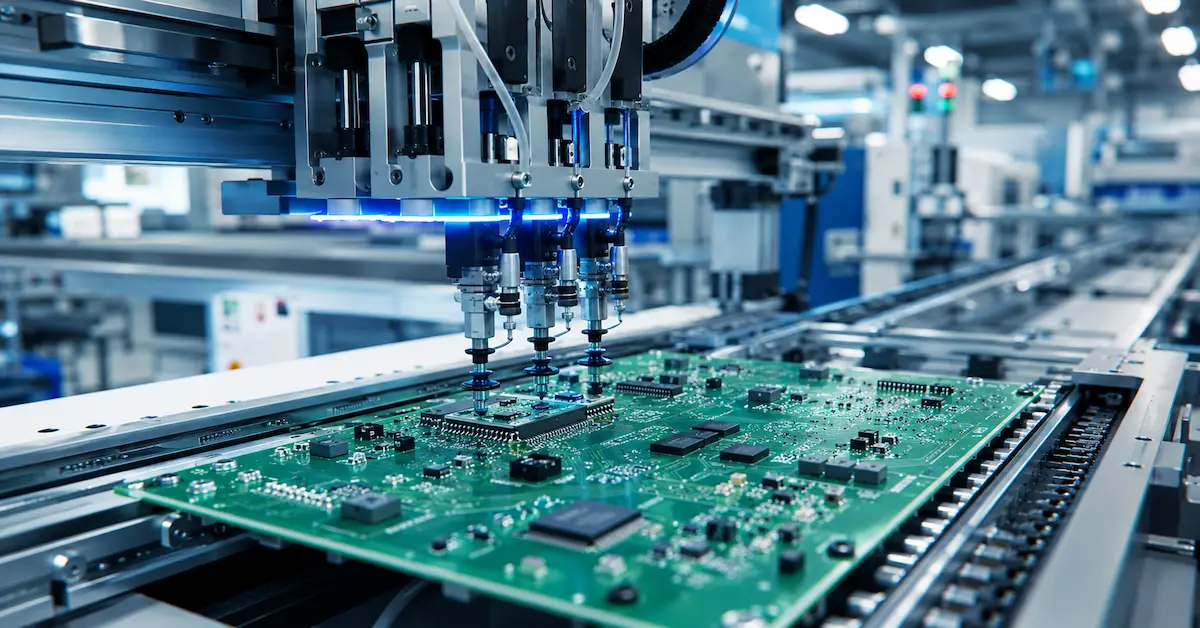
What Is an OEM PCBA Manufacturer?
An OEM PCBA manufacturer is an electronics manufacturing partner that produces printed circuit board assemblies according to a customer's product requirements, design files, specifications, or samples.
Unlike a simple PCB supplier, an OEM PCBA manufacturer manages the complete electronic manufacturing process.
A typical OEM PCBA service includes:
- PCB fabrication
- Component sourcing
- BOM management
- SMT assembly
- DIP assembly
- PCB inspection
- AOI testing
- Functional testing
- Firmware programming
- Final assembly support
- Packaging and delivery
For companies looking for a reliable production partner, HCDPCBA provides customized PCBA manufacturing services covering prototype development, SMT assembly, component sourcing, testing, and mass production support.
Why Businesses Choose OEM PCBA Manufacturing
Many companies choose OEM PCBA manufacturing because building an internal electronics production line requires significant investment in:
- SMT machines
- Production operators
- Testing equipment
- Supply chain management
- Quality systems
- Manufacturing engineers
By partnering with an experienced manufacturer, companies can focus on product design, marketing, and business growth while the manufacturing partner manages production.
The main benefits include:
Reduced Manufacturing Cost
OEM PCBA manufacturers already have production facilities, equipment, suppliers, and experienced engineers. This helps reduce:
- Equipment investment
- Labor cost
- Material purchasing cost
- Production management cost
Faster Product Development
Experienced PCBA manufacturers can help identify manufacturing risks early through:
- Design review
- BOM analysis
- DFMA suggestions
- Prototype production
- Engineering feedback
This helps shorten development cycles and reduce redesign costs.
Better Production Consistency
A professional OEM PCBA manufacturer uses standardized processes to ensure every production batch maintains consistent:
- Component placement
- Soldering quality
- Electrical performance
- Functional testing
- Product reliability
Flexible Production Capacity
OEM PCBA services can support different production stages:
- Prototype quantities
- Small batch production
- Medium-volume manufacturing
- Large-scale production
This allows companies to scale production according to market demand.
OEM PCBA Manufacturing Process
A reliable OEM PCBA manufacturer should provide a complete manufacturing workflow.
1. Engineering Review and DFM Analysis
Before production begins, engineers review the design files to identify possible manufacturing risks.
The review may include:
- PCB layout analysis
- Component availability
- Assembly difficulty
- Testing requirements
- Production optimization
- Cost reduction opportunities
DFM (Design for Manufacturing) helps improve production efficiency and reduce future manufacturing problems.
HCDPCBA provides DFMA engineering support to help customers optimize designs before production and reduce manufacturing risks during mass production.
2. Component Sourcing and BOM Management
A stable component supply chain is critical for OEM PCBA production.
The manufacturer should help manage:
- BOM verification
- Component sourcing
- Alternative component suggestions
- Supplier qualification
- Lead time management
- Counterfeit component prevention
Common PCBA components include:
- IC chips
- Resistors
- Capacitors
- Connectors
- Sensors
- Modules
- Power components
- Memory chips
Reliable component sourcing helps prevent production delays and unexpected cost increases.
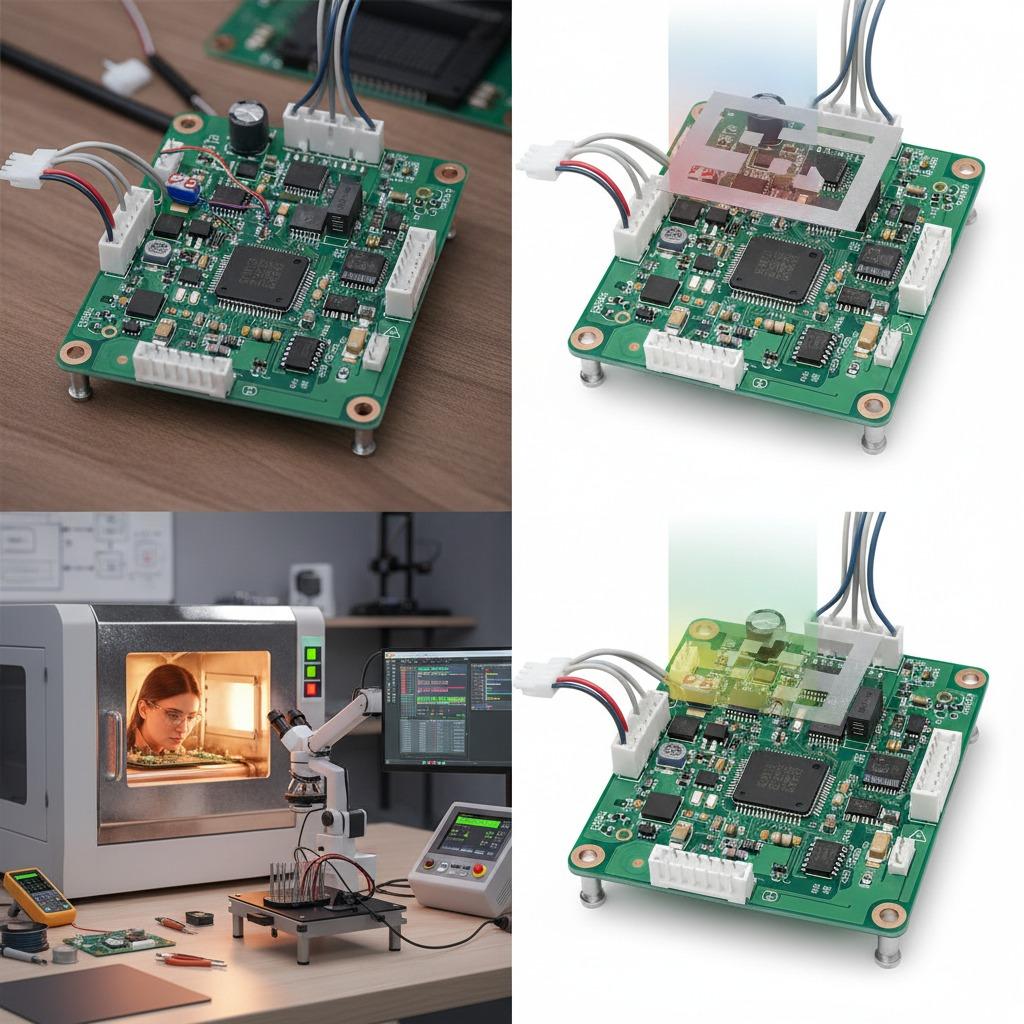
3. PCB Assembly and SMT Production
SMT assembly is one of the most important stages in PCBA manufacturing.
The process usually includes:
Solder Paste Printing
Solder paste is accurately applied to PCB pads.
Component Placement
High-speed SMT machines place electronic components onto the PCB.
Reflow Soldering
The PCB passes through a reflow oven to permanently connect components.
Inspection
The assembled board is inspected for:
- Missing components
- Incorrect placement
- Solder defects
- Component damage
A professional OEM PCBA manufacturer should have advanced SMT equipment and strict process control. HCDPCBA supports SMT assembly and PCBA production for prototype and volume manufacturing projects.
4. Testing and Quality Control
Testing ensures that assembled boards meet customer requirements.
Common testing methods include:
AOI Inspection
Automated Optical Inspection checks:
- Component placement
- Solder joints
- Missing parts
- Assembly defects
X-Ray Inspection
Used for hidden solder joints such as:
- BGA packages
- High-density components
ICT Testing
In-Circuit Testing checks:
- Electrical connections
- Component values
- Circuit performance
Functional Testing
Confirms the PCBA works correctly in the final application.
HCDPCBA integrates inspection and testing throughout the manufacturing process to improve product reliability.
What Products Need OEM PCBA Manufacturing?
OEM PCBA services support many industries.
| Industry | PCBA Application |
|---|---|
| Smart Home | Controllers, sensors, smart devices |
| Security | Camera boards, monitoring systems |
| Industrial Automation | Control boards, machine electronics |
| Automotive | Electronic control modules |
| Medical Equipment | Monitoring devices and instruments |
| IoT | Wireless connected devices |
| Consumer Electronics | Audio, display, smart hardware |
| Energy | Power control systems |
For camera-related products, HCDPCBA supports custom PCBA solutions for camera modules, security devices, smart hardware, and embedded electronics. Buyers can also explore HCDPCBA’s Camera Series for camera-related product applications.
How to Choose the Right OEM PCBA Manufacturer
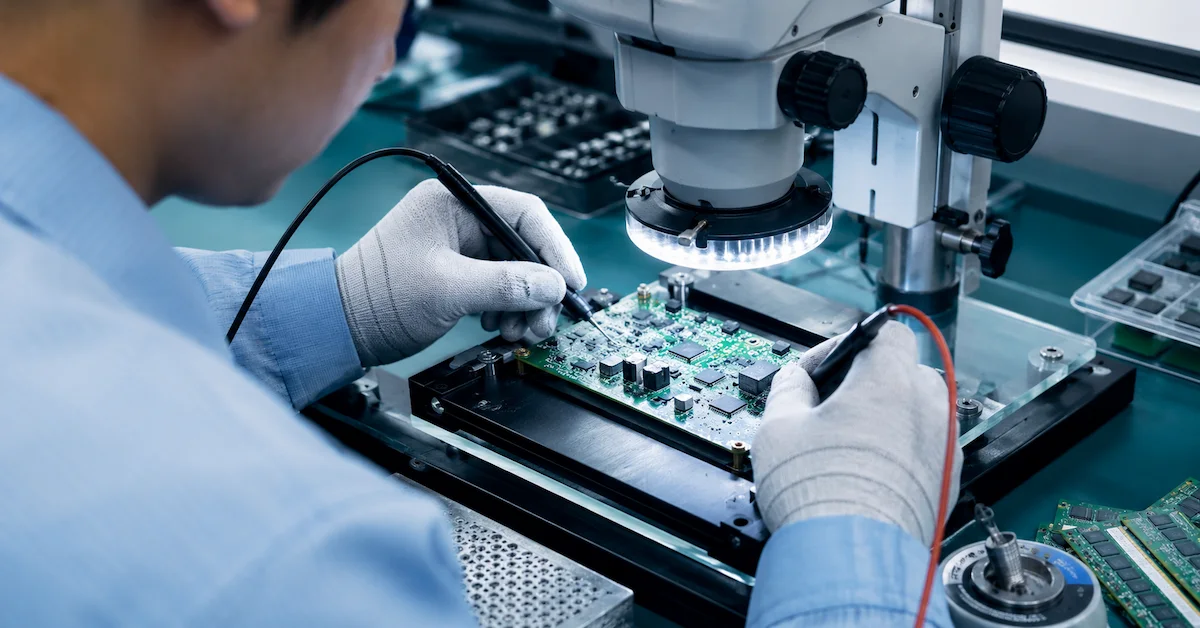
Before selecting a supplier, buyers should evaluate several important factors.
1. Manufacturing Capability
Check whether the manufacturer supports:
- PCB assembly
- SMT production
- Prototype manufacturing
- Mass production
- Component sourcing
- Testing services
A complete manufacturing capability reduces supplier coordination.
2. Engineering Support
A strong OEM PCBA manufacturer should provide engineering assistance, including:
- DFM review
- BOM optimization
- Production recommendations
- Manufacturing problem solving
- Prototype improvement
Engineering support is especially important for new electronic products.
3. Quality Management System
Buyers should evaluate:
- Quality inspection process
- Production control
- Testing capability
- Traceability system
- Certification requirements
A reliable quality system helps maintain stable production.
4. Production Capacity
For long-term cooperation, buyers should understand:
- Factory capability
- Equipment condition
- Production schedule
- Batch production ability
- Delivery reliability
5. Communication Ability
Effective communication is critical for OEM projects.
A good supplier should clearly communicate:
- Technical issues
- Production progress
- Component risks
- Testing results
- Delivery schedules
OEM PCBA Manufacturer vs PCB Supplier
Many buyers confuse PCB suppliers with PCBA manufacturers.
| PCB Supplier | OEM PCBA Manufacturer | |
|---|---|---|
| PCB fabrication | Yes | Yes |
| Component sourcing | Limited | Yes |
| SMT assembly | No | Yes |
| Testing | Limited | Yes |
| BOM management | Limited | Yes |
| Prototype support | Limited | Yes |
| Mass production | Limited | Yes |
| OEM customization | Limited | Yes |
For companies developing complete electronic products, an OEM PCBA manufacturer provides a more complete solution.
Common Mistakes When Selecting an OEM PCBA Manufacturer
Choosing Only Based on Price
The cheapest supplier may have:
- Lower component quality
- Limited testing
- Poor communication
- Unstable production
The lowest quotation does not always mean the lowest total cost.
Ignoring Engineering Capability
Without engineering support, manufacturing problems may appear later during production.
Skipping Prototype Testing
Prototype production helps identify:
- Design problems
- Component issues
- Assembly risks
- Testing requirements
Not Confirming Testing Standards
Buyers should define:
- Inspection methods
- Functional tests
- Acceptance criteria
- Quality requirements
Not Considering Long-Term Supply
A reliable partner should support:
- Stable components
- Continuous production
- Product upgrades
- Future revisions
Why Choose HCDPCBA as Your OEM PCBA Manufacturer?
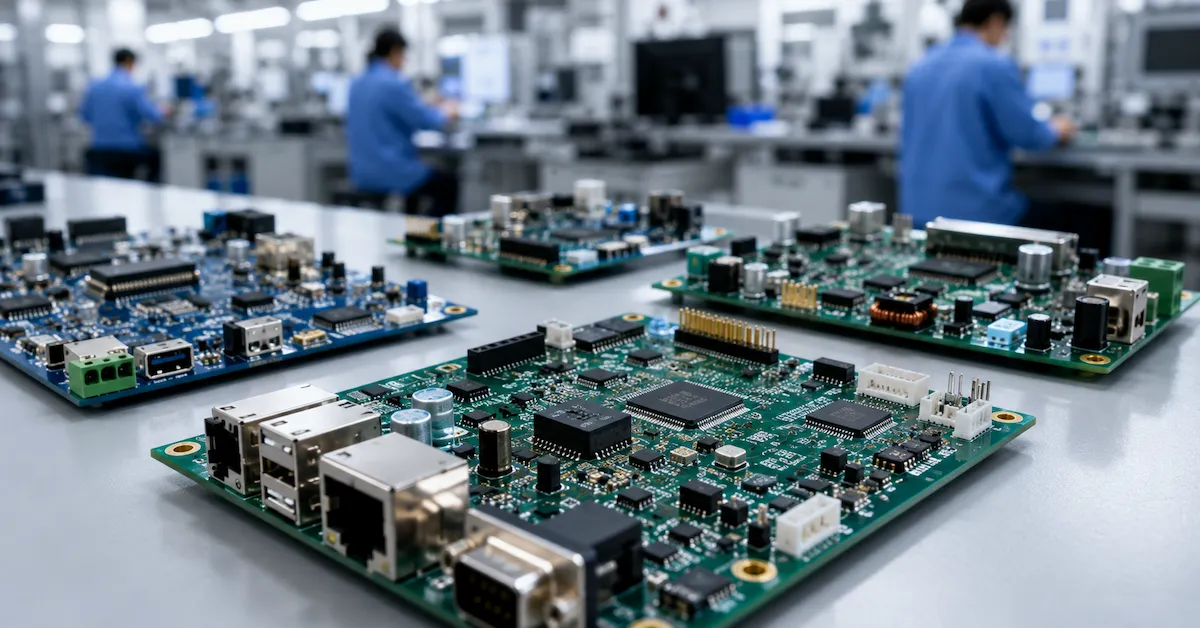
HCDPCBA provides complete electronics manufacturing services for companies that need reliable PCBA production. With engineering support, SMT assembly, component sourcing, testing, and OEM/ODM capabilities, HCDPCBA helps customers move from prototype validation to mass production.
Our capabilities include:
PCB Prototype Manufacturing
Supporting early-stage product validation and design testing.
SMT Assembly
Providing accurate component placement and reliable soldering processes.
Component Sourcing
Helping customers manage BOM purchasing and supply chain risks.
PCBA Testing
Supporting inspection and functional verification.
DFMA Engineering Support
Helping optimize designs for better manufacturability and cost control.
OEM/ODM Electronics Manufacturing
Supporting customized electronic products from prototype to mass production.
HCDPCBA works with customers in industries including industrial electronics, smart devices, security products, IoT, consumer electronics, and embedded systems.
FAQ
What does an OEM PCBA manufacturer do?
An OEM PCBA manufacturer produces customized PCB assemblies according to customer requirements, including PCB assembly, component sourcing, testing, and production support.
What files are needed for OEM PCBA production?
Common files include:
- Gerber files
- BOM
- Pick-and-place files
- PCB drawings
- Assembly instructions
- Testing requirements
Can OEM PCBA manufacturers support small quantities?
Yes. Many manufacturers support prototypes, small batches, and large-scale production.
What is the difference between OEM and ODM PCBA?
OEM means manufacturing according to customer designs. ODM includes additional design and development support from the manufacturer.
How can I reduce PCBA production costs?
Costs can be reduced through:
- BOM optimization
- Component alternatives
- DFM improvements
- Production process optimization
What industries use OEM PCBA services?
OEM PCBA services are widely used in:
- IoT
- Industrial control
- Medical devices
- Security systems
- Smart home products
- Consumer electronics
Does HCDPCBA provide testing services?
Yes. HCDPCBA supports PCBA inspection, functional testing, and quality control during production.
Conclusion
Choosing the right OEM PCBA manufacturer is essential for building reliable electronic products. A professional manufacturing partner should provide more than PCB assembly. It should offer engineering support, component sourcing, SMT manufacturing, testing, quality control, and long-term production capability.
For companies developing smart devices, industrial electronics, security products, IoT hardware, and consumer electronics, HCDPCBA provides a complete OEM PCBA manufacturing solution from prototype development to mass production.
By working with an experienced OEM PCBA manufacturer, businesses can reduce manufacturing risks, improve product quality, and accelerate time to market.