Electronics Assembly Service for Reliable Integration and Scalable Production
Electronic products rarely fail because of a single component.
Most failures occur at the integration stage, where multiple parts, boards, and systems must work together reliably. During early builds, assemblies often appear stable, but once production scales, integration issues begin to surface—loose connectors, inconsistent solder joints, or unstable system performance.
These problems are not random. They reflect gaps between design intent and assembly execution.
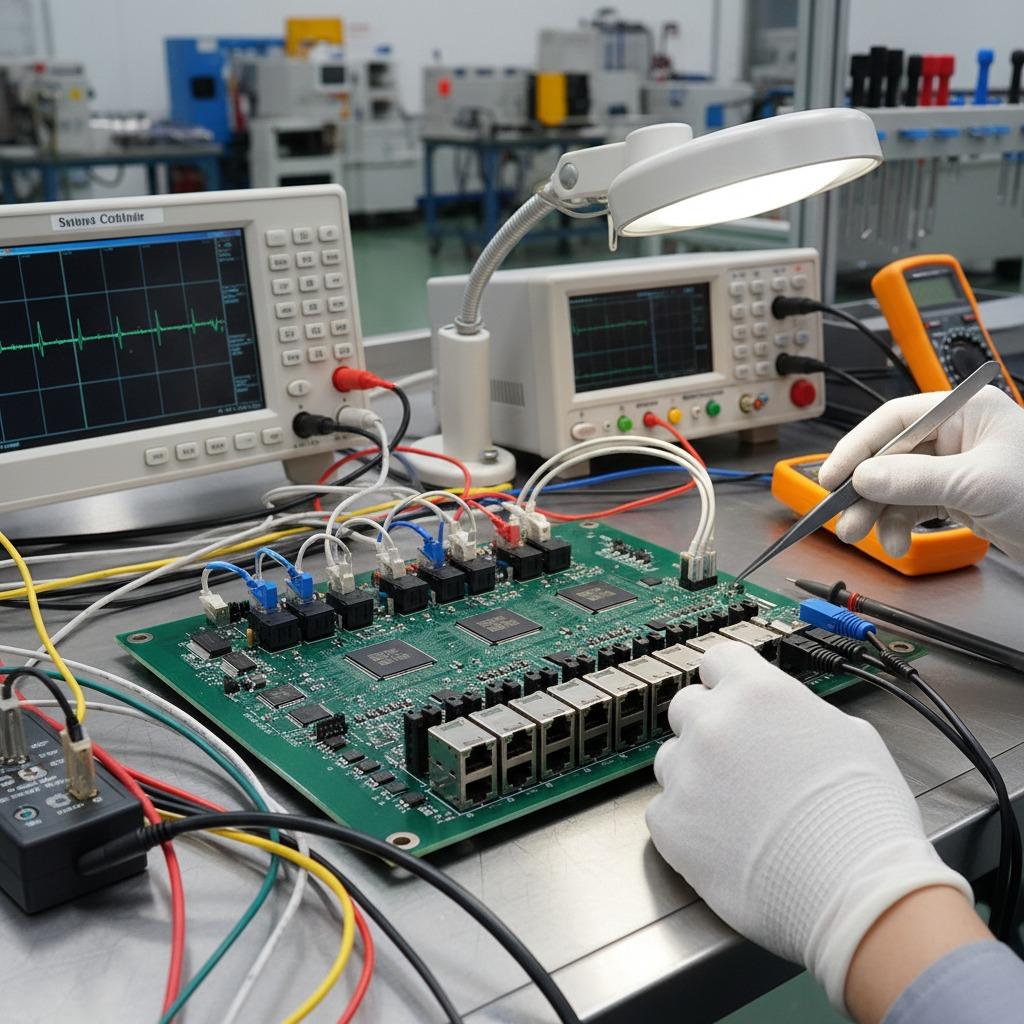
A structured electronics assembly service addresses this gap by managing the full integration process—from PCB assembly and mechanical assembly to testing and final system validation. Our engineering team focuses on ensuring that every component, connection, and interface works together consistently under real operating conditions.
Why Electronics Assembly Is More Than PCB Assembly
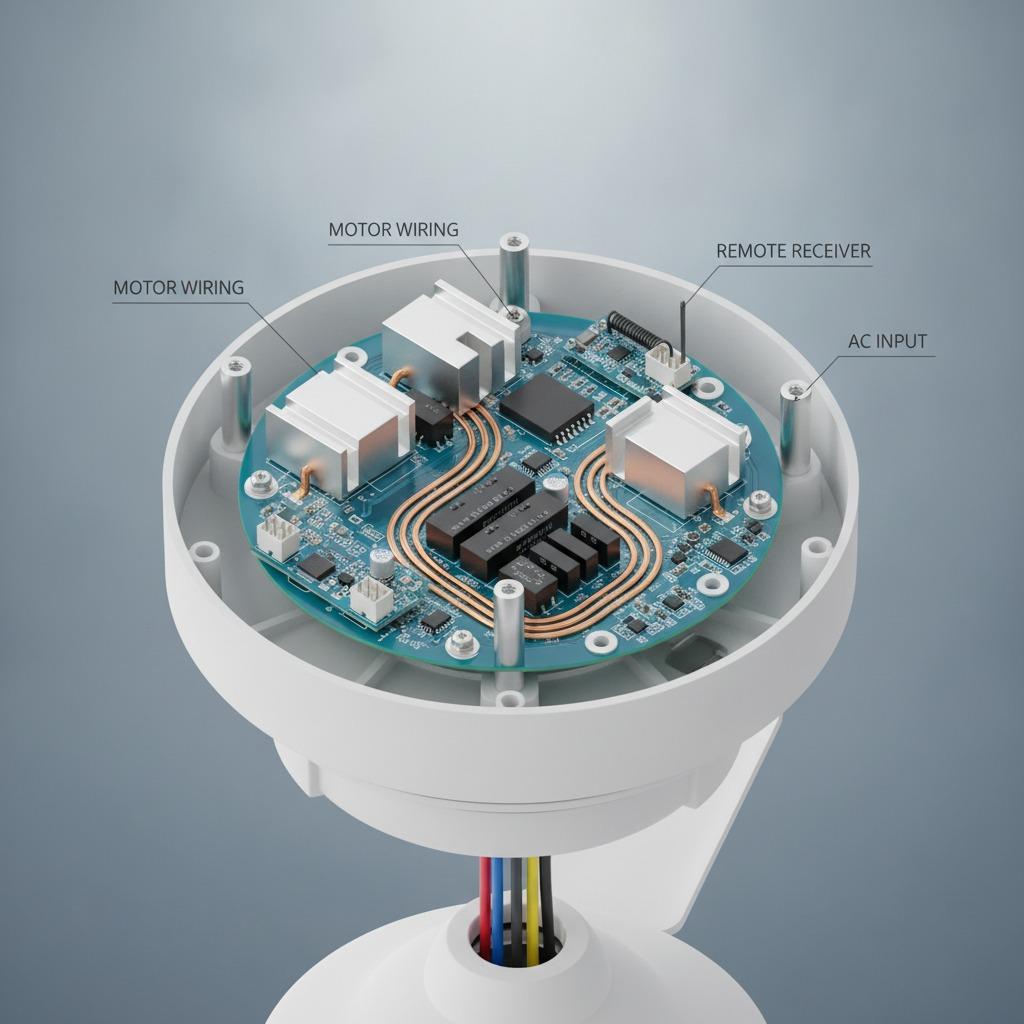
PCB assembly is only one part of the overall manufacturing process. Electronics assembly includes the integration of multiple subsystems, such as wiring, enclosures, connectors, and sometimes firmware validation.
For example, a board may function correctly in isolation, but once installed into a product enclosure, thermal conditions change and connectors experience mechanical stress. These factors can affect long-term reliability.
A reliable electronics assembly service considers:
- Mechanical fit and structural alignment
- Electrical connectivity across multiple modules
- Thermal behavior in real product configurations
Projects that integrate these factors early typically reduce post-production failures by 20–30%.
Material Control and Component Handling
Assembly quality depends heavily on how materials and components are handled before and during production.
In real manufacturing environments:
- Sensitive components must be stored under controlled humidity
- Connectors and cables must be verified for compatibility
- Mechanical parts must align precisely with PCB structures
Without strict control, even small inconsistencies can lead to system-level failures.
A disciplined electronics assembly service ensures:
- Consistent material sourcing and validation
- Controlled handling of sensitive components
- Alignment between mechanical and electronic parts
These practices often result in 5–10% improvement in overall assembly reliability.
Process Stability in System Integration
Integration processes must remain stable across all production runs. Unlike simple PCB assembly, electronics assembly involves multiple steps, each of which can introduce variation.
For instance, manual assembly steps—such as cable routing or connector installation—can vary between operators if not properly standardized.
A structured electronics assembly service addresses this by:
- Defining clear assembly instructions and workflows
- Standardizing manual and automated processes
- Monitoring production data to detect variation
When these controls are applied, manufacturers typically reduce integration-related defects by 25–40%.
Scaling Production Without Integration Issues
Scaling electronics assembly introduces additional challenges. As volume increases, small inconsistencies in assembly processes become more visible.
For example, slight variations in cable routing or fastening torque may not affect small batches, but can lead to failure patterns in larger production runs.
A capable electronics assembly service manages scaling by:
- Locking validated assembly procedures before ramp-up
- Training operators consistently across production lines
- Maintaining process documentation for repeatability
Factories with strong integration control often improve production consistency by 10–20% during scaling.
Assembly Factors and Their Impact
| Assembly Factor | Control Method | Typical Result |
|---|---|---|
| Component handling | Controlled storage conditions | Reduced material-related defects |
| Connector assembly | Precision alignment | Improved electrical stability |
| Mechanical integration | Standardized assembly process | Reduced structural variation |
| Functional testing | System-level validation | Early issue detection |
| Process monitoring | Data tracking and feedback | Prevents recurring defects |
These factors determine whether an assembly process is repeatable or unstable.
Compliance and Quality Assurance
Electronics assembly must meet various regulatory and quality requirements, especially for products used in industrial or commercial environments.
Key considerations include:
- Electrical safety standards
- EMC compliance for complete systems
- Quality management systems such as ISO
- Traceability for long-term support
A structured electronics assembly service integrates compliance into the assembly process, reducing the risk of certification delays.
Frequently Asked Questions
Q1: What is the difference between PCB assembly and electronics assembly?
PCB assembly focuses on the board, while electronics assembly includes full system integration.
Q2: Why do integration issues appear during scaling?
Because manual and multi-step processes are not fully standardized.
Q3: Can assembly service improve product reliability?
Yes. Proper integration ensures stable performance under real operating conditions.
Why Integration Defines Final Product Quality
A reliable electronics assembly service ensures that all parts of an electronic product—PCBs, connectors, mechanical structures, and systems—work together as a unified whole. When integration is controlled, products become more stable, easier to scale, and less prone to long-term failure.
If you want to evaluate how assembly capability impacts your product reliability and scalability, reviewing real integration processes is the best starting point. You can learn more about our electronics and PCBA expertise here:
👉 https://www.hcdpcba.com
For projects involving full system assembly, OEM production, or complex integration requirements, early technical discussion can significantly improve outcomes. You are welcome to contact our engineering team here:
👉 https://www.hcdpcba.com/en/contact-us