Water Pressure Controller PCB Overview
The Water Pressure Controller PCB is designed to solve a common problem in pump-driven systems: keeping water pressure within a usable range while avoiding unnecessary pump cycling, dry-running behavior, and unstable flow. In practical terms, it serves as the electronic control core for systems that need pressure monitoring and automatic start-stop decisions, whether the installation is a booster pump, a well pump, an irrigation line, or a compact fluid-handling unit.
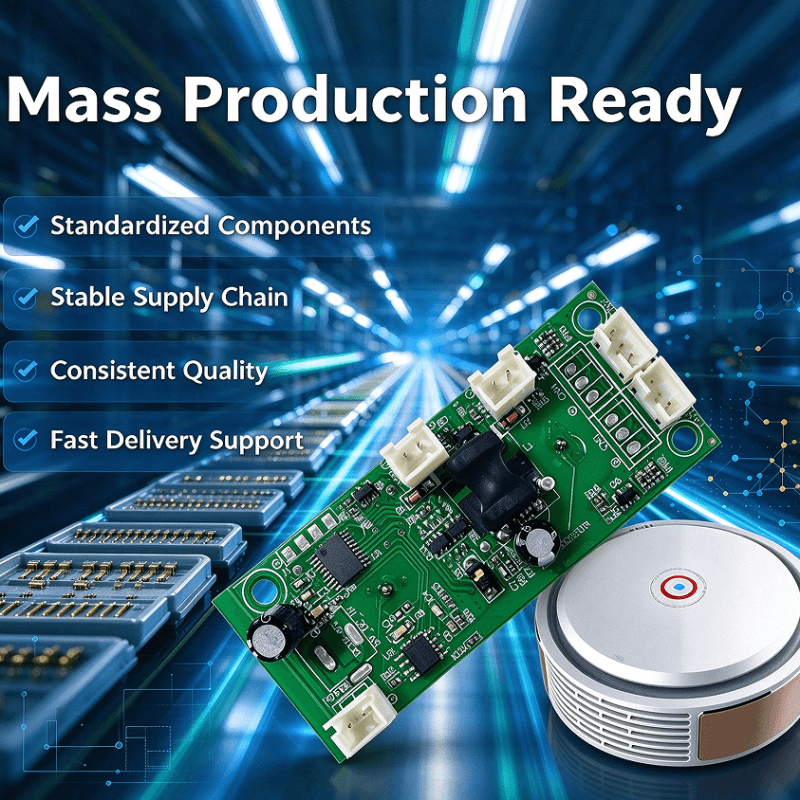
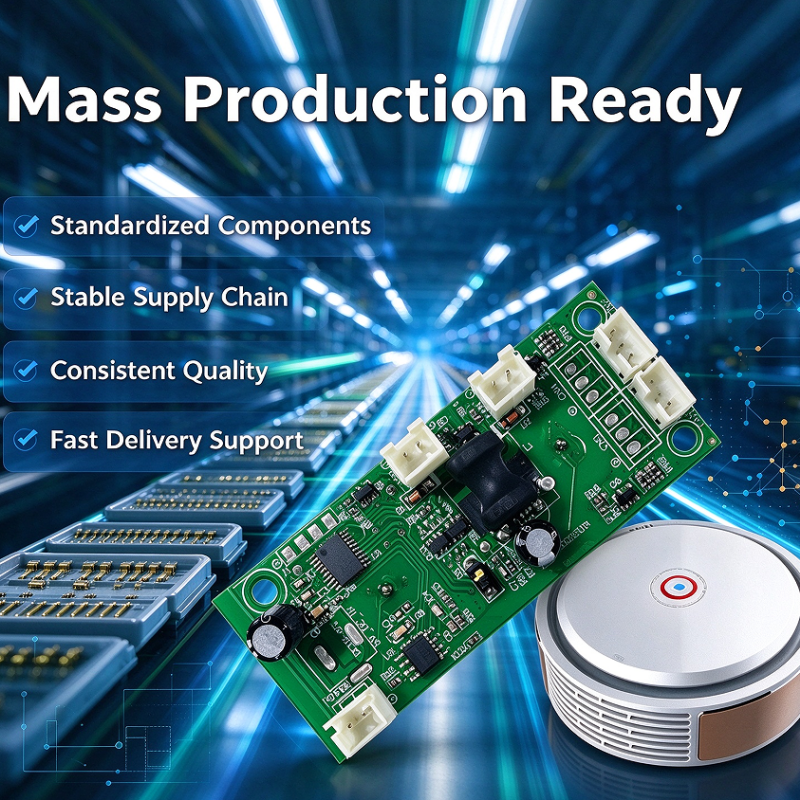
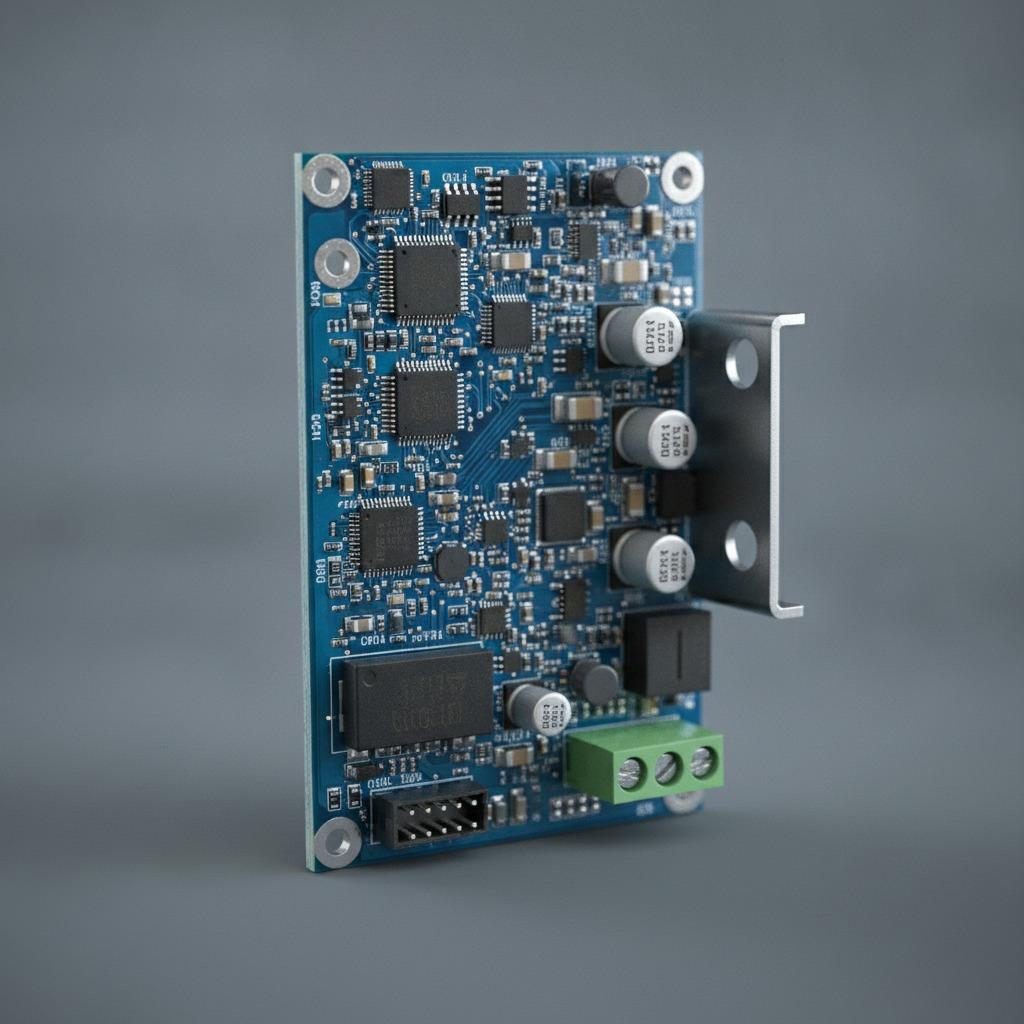
Based on the visible product structure, this board is a finished control module rather than a bare PCB. It combines a densely populated circuit board, connectors, mounting hardware, and in some versions a pressure-sensing/control component inside an enclosure. The layout suggests it is intended for embedded control where space is limited and wiring must be organized for serviceability.
Product Structure and Functional Role
The visible board uses a compact rectangular layout with surface-mount ICs, passives, terminal blocks, and edge connectors. Such a configuration is typical for a Water Pump Control PCB that must read pressure-related input signals, process logic, and drive relay or switch outputs. The image also shows labels such as pressure monitoring, smart start-stop, and multi-channel control, which point to a control module built for coordinated operation of pump and valve circuits.
In a water supply system controller PCBA, the board acts as the decision-making layer between sensors and the load. It receives feedback from the pressure path, applies internal control logic, and sends commands to connected equipment. This approach helps maintain consistent water delivery while reducing manual intervention.
Visible Capabilities
From the product images and supplied information, the module appears suited to:
pressure monitoring
automatic pump start and stop
multi-point or multi-channel control logic
embedded integration in pump cabinets or appliance housings
electrical connection to external terminals and sensor interfaces
Exact voltage, current, pressure range, and communication protocol are not visible, so these should be confirmed during engineering review.
Materials, Finish, and Board Construction
The PCB appears to use a standard FR-4 style rigid substrate with solder mask finish, shown in blue or green depending on the version. The assemblies include a mix of IC packages, resistors, capacitors, filters, and connector interfaces. In the panel-style assembly, the enclosure appears to be metal, with a powder-coated or painted finish, while the internal mounting plate looks like plated steel. Wiring is routed with insulated conductors and secured for cabinet installation.
These material choices are common in industrial control electronics because they support mechanical stability, electrical insulation, and manageable service access. The visible mounting screws and terminal spacing also suggest the unit is intended for repeatable assembly in production or OEM integration.
Manufacturing and Assembly Process
This type of automatic pump control board is typically produced through PCB fabrication followed by SMT assembly, selective through-hole insertion where needed, and final testing. The visible density of components indicates a mixed electronic assembly process, not a simple wiring harness. For systems like this, manufacturers often pay close attention to solder quality, connector retention, and trace routing because signal integrity and long-term reliability matter in wet or vibration-prone installations.
hcdpcba supports PCB prototype, SMT assembly, component sourcing, testing, OEM, and ODM work. For buyers, that means the board can be developed as a custom control platform or integrated into a larger equipment build with coordinated electronics manufacturing.
Application Scenarios
The Water Pressure Controller PCB fits equipment where pressure thresholds determine action. Common use cases include booster pumps, water tanks, household or commercial plumbing control, irrigation systems, industrial liquid transfer, and pressure-maintenance equipment. In automated systems, the board helps prevent frequent operator intervention and supports steadier output behavior.
For machine builders, the board can also serve as a base for a custom Automatic Pump Control Board or Automatic start stop pump control board inside a dedicated cabinet or appliance enclosure.
Quality Control and Buyer Considerations
When selecting a control board for water or pump automation, buyers should review several engineering factors before release to production: sensor compatibility, power interface design, relay or switching capacity, cabinet fit, thermal management, wiring access, and environmental protection requirements. If the board will be installed near moisture, enclosure sealing and connector selection become especially important.
In assembly production, quality control usually focuses on solder inspection, continuity checks, functional testing, and connector verification. For a Water Pressure Controller PCB, stable operation depends not only on the schematic design but also on assembly consistency and test coverage.
Customization and OEM/ODM Support
Because hcdpcba provides SMT, PCB assembly, sourcing, testing, DFMA support, OEM, and ODM services, the module can be adapted for different system requirements. Buyers may request changes in board size, connector layout, component selection, enclosure integration, or control logic implementation. For pump manufacturers and automation integrators, that flexibility is useful when building a product line around specific tank sizes, pipe configurations, or customer wiring standards.
If you are evaluating a Water Pressure Controller PCB for a new project, share your mechanical constraints, electrical interface needs, and target use scenario. A clear specification helps shorten development time and reduces rework during prototype or pilot builds.
Request a Custom Pump Control Solution
If you need a practical Water Pressure Controller PCB for water pumps, pressure systems, or automated liquid handling equipment, contact hcdpcba to discuss PCB fabrication, SMT assembly, component sourcing, and custom control-board integration. A well-defined control board can simplify system wiring, improve consistency, and support stable pump operation in production equipment.