Baby Nasal Aspirator PCBA Overview
Baby Nasal Aspirator PCBA is the control electronics behind a compact suction device used to clear nasal mucus in infant and toddler care. For buyers developing a handheld aspirator, the main problem is not the plastic shell alone, but how to coordinate the motor, buttons, charging interface, indicators, and safety logic in a small enclosure. A well-built Baby Nasal Aspirator PCBA helps solve that integration challenge by combining control, power management, and user-interface functions on one board.
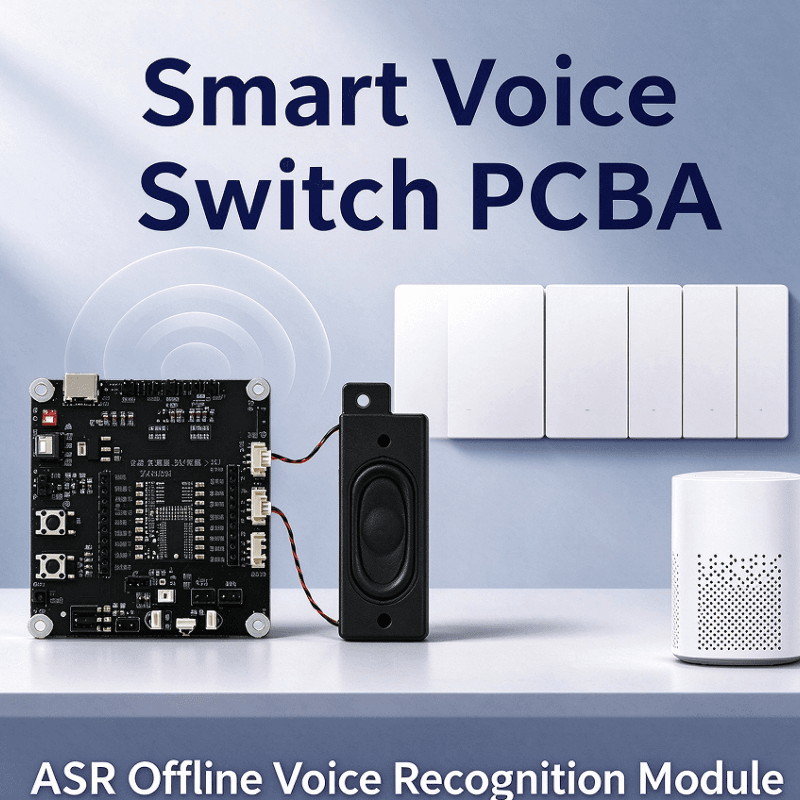
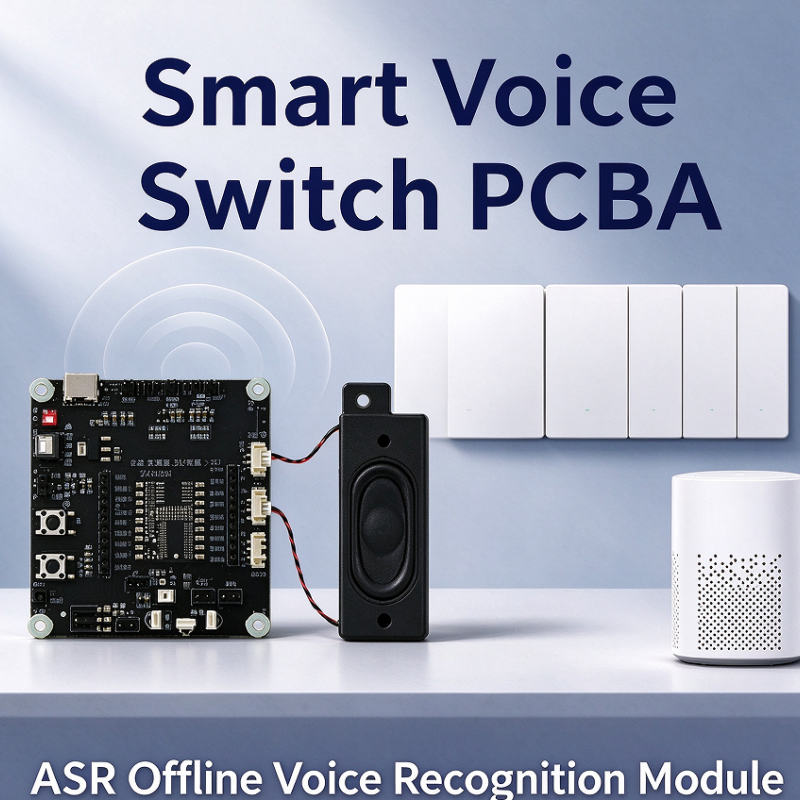
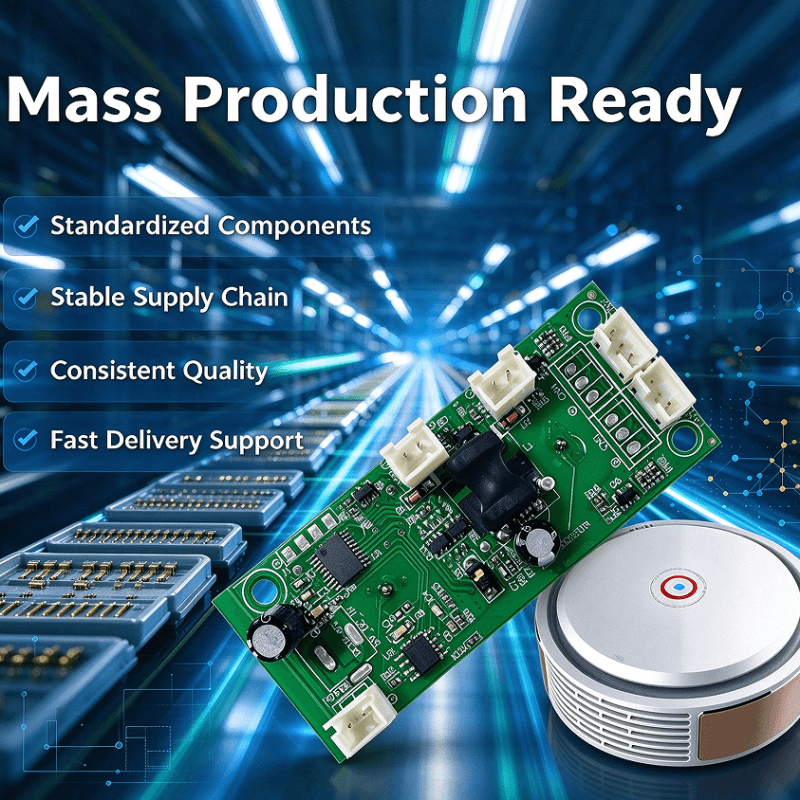
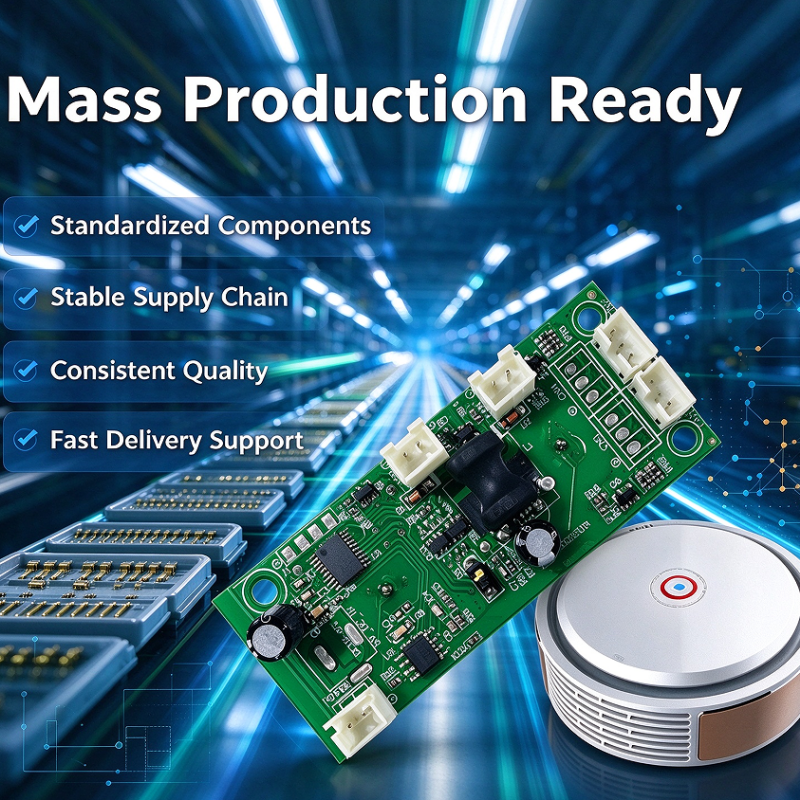
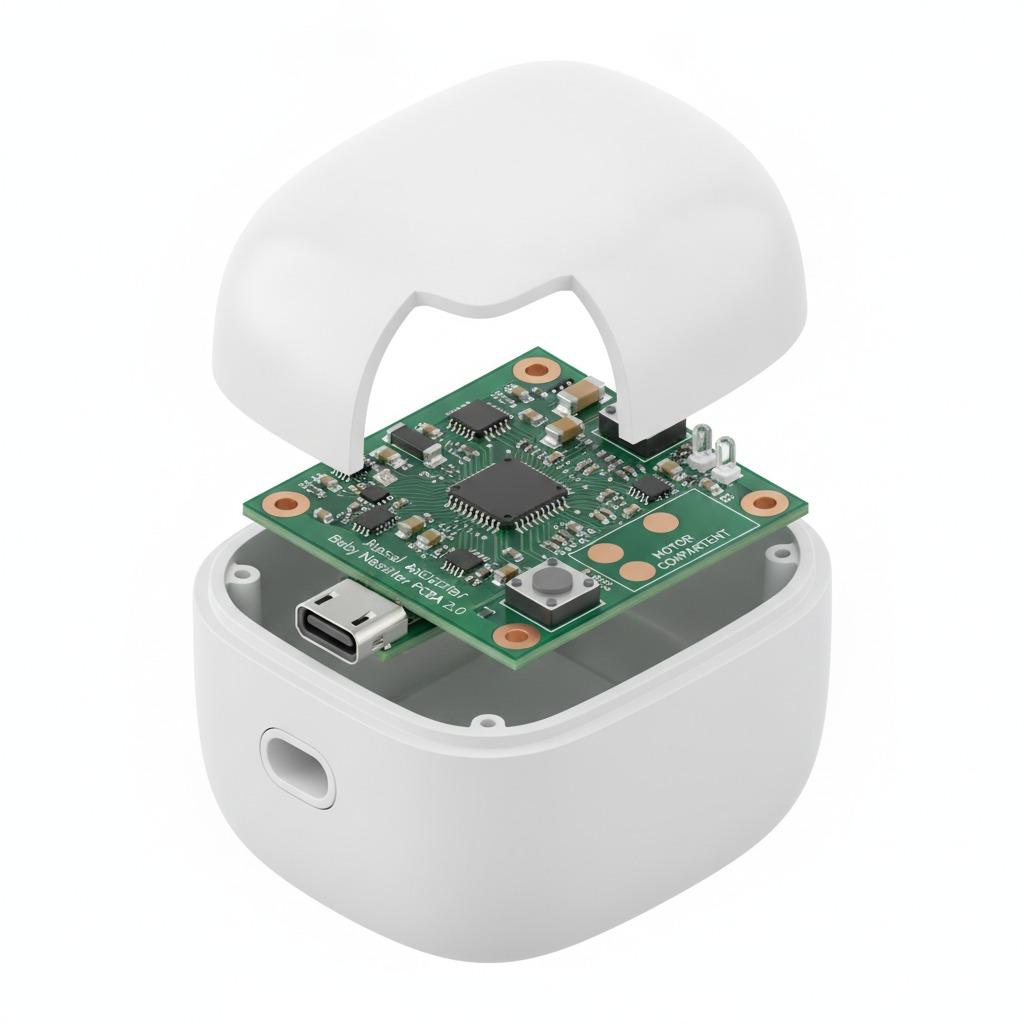
Based on the provided product information, this board is shown as a compact rigid PCB assembly with a central MCU, surface-mount parts, tactile switches, LEDs, and USB-style connectors. It is positioned for OEM and ODM development, prototype builds, and mass production of baby care appliances. The image also suggests services such as custom design, function development, and volume manufacturing, which are often required when turning a concept into a production-ready consumer device.
Product Reference and Functional Role
In a typical electric nasal aspirator, the PCBA acts as the command center. It can manage power on/off behavior, suction activation, status indication, and charging-related functions. The image indicates a compact layout suitable for a handheld device, with mounting holes for enclosure fixation and connectors for linking the board to a motor, battery, or interface module.
The board’s visible structure includes a main processor package, smaller ICs, passives, indicator LEDs, and a USB-C style power port in one version of the design. Another version shows multiple connectors and a pin header. These visible details support the idea that the board is intended for a portable, battery-powered appliance platform, although exact circuit performance is not stated.
Visible Specifications and Board Features
Board structure
The PCBA appears to use a rigid FR-4-type substrate with either green or blue solder mask depending on the version shown in the preparation data. White silkscreen markings, plated mounting holes, and exposed metal connector shells are visible. The layout is compact and rectangular, which is common in handheld consumer devices where internal space is limited.
Components seen on the board
Visible parts include a central MCU or controller chip, several small ICs, resistors, capacitors, two tactile button-like switches, indicator LEDs, a metal-can style component likely used for timing or signal support, and USB-style power or data connectors. These are useful indicators for buyers evaluating whether the board supports compact integration and basic user controls.
Materials and Finish Options
The PCB is described as standard FR-4-looking rigid material with solder mask and silkscreen. The assembly uses common electronic materials such as black molded IC packages, metal connector shells, and copper-plated pads. The enclosure parts shown in the imagery are translucent or clear molded plastic accessories, including a nozzle or cup-style attachment, which suggest the board is part of a complete suction appliance system.
For custom projects, finish options usually depend on the product’s design goals. Buyers may choose different solder mask colors, surface finish types, connector placements, or board outline shapes to fit the housing. If the aspirator must fit a narrow hand-held shell, component height and connector orientation become important design factors.
Manufacturing and Assembly Process
This type of product generally requires PCB fabrication, SMT assembly, soldering, inspection, and system integration. hcdpcba provides PCB prototyping, SMT贴片, component sourcing, assembly, and testing services, which fit the needs of a new baby care appliance platform. The company also offers DFMA support, which can help reduce assembly risk before moving to pilot production or mass production.
For a device like this, the build process usually includes board design review, component placement optimization, reflow soldering, connector soldering, functional test, and enclosure fit validation. Because portable aspirators often rely on compact packaging, design-for-manufacturing checks are especially useful when the battery, motor drive, charging port, and buttons must all fit inside the same shell.
Application Scenarios
This Baby Nasal Aspirator PCBA is suitable for OEM/ODM development of infant care suction devices, portable personal hygiene appliances, and private-label consumer medical-care products. It can also support replacement board development for an existing aspirator platform if the buyer needs a new control board with updated layout or functions.
Potential use cases include home care, pediatric product lines, portable suction units, and retail consumer health devices. The visible form factor suggests it is designed for handheld use rather than a large stationary system.
Quality Control and Buyer Considerations
Buyers should evaluate several factors before selecting a custom PCBA for a nasal aspirator: board size, connector compatibility, battery interface, motor control approach, button layout, and enclosure clearance. If the product will be branded for baby care, stable assembly quality and repeatable soldering are important because the device must operate consistently across production batches.
hcdpcba lists testing, assembly, and sourcing services, which can help support a controlled production workflow. However, exact safety approvals, suction performance, noise level, runtime, and waterproofing are not provided in the source data and should be confirmed separately during project development.
Customization Guidance
Custom PCBA for newborn nasal aspirator projects often start with a functional brief: desired power source, charging method, user interface, motor control needs, and enclosure dimensions. From there, the board can be adjusted to match the housing, battery compartment, and accessory layout.
When discussing a custom PCB Assembly Factory partner, it helps to share drawings, target BOM, interface requirements, and any preferred test plan. This improves the chance of getting a board that fits the mechanical structure and production process without repeated redesign cycles.
Why This Board Format Works for Baby Care Appliances
A compact Baby Care Appliance PCBA can reduce wiring complexity and make the final product easier to assemble. The visible mounting holes, integrated connectors, and dense SMT layout are practical for small consumer devices where every millimeter matters. For a portable aspirator, that means fewer loose wires, cleaner internal routing, and a more manageable assembly flow.
If your project is at the prototype stage or moving toward mass production, hcdpcba can support PCB打样, SMT assembly, component procurement, and OEM or ODM development. Share your product requirements, board outline, and expected function set to get a solution matched to your nasal aspirator platform.
Contact for Custom PCBA Support
For custom electronics assembly, prototype development, or production support for a baby nasal aspirator board, contact hcdpcba at +86 18924624188. Provide your mechanical drawings, functional goals, and target production volume so the engineering team can evaluate the best PCBA approach for your device.