Air Purifier PCBA for Smart Filtration Control
An Air Purifier PCBA is the electronic core that turns a fan, sensor, and display into a responsive air-cleaning system. For buyers building or repairing air purifiers, the main challenge is often not the plastic shell or the filter itself, but the control logic behind them: reading air-quality signals, switching fan speeds, showing filter status, and coordinating sleep mode without unstable behavior. This type of board is made to handle those tasks in a compact assembly, whether the goal is OEM production, retrofit replacement, or a customized appliance project.

Product Overview
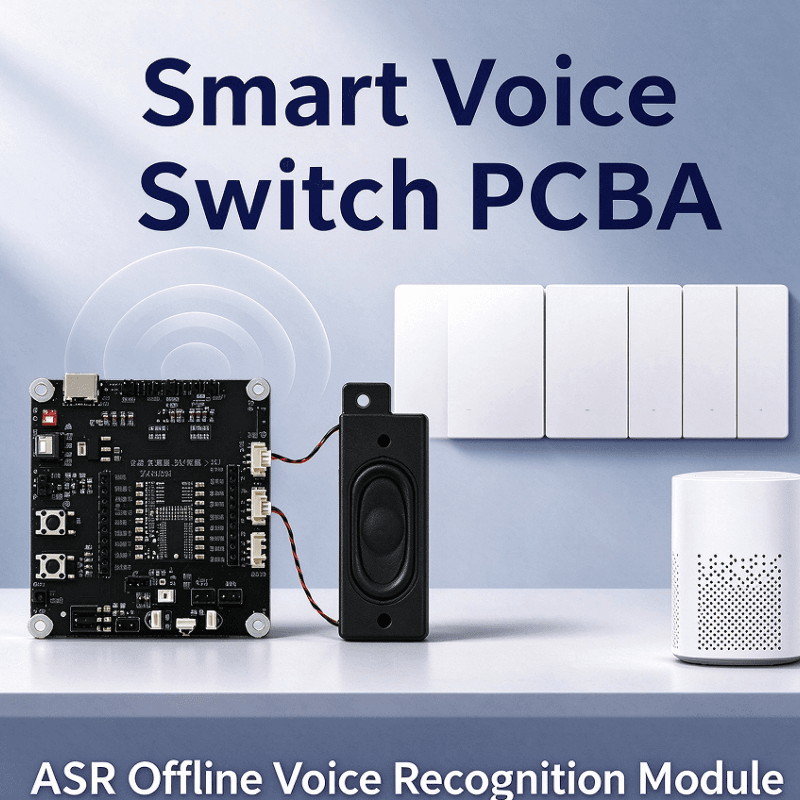
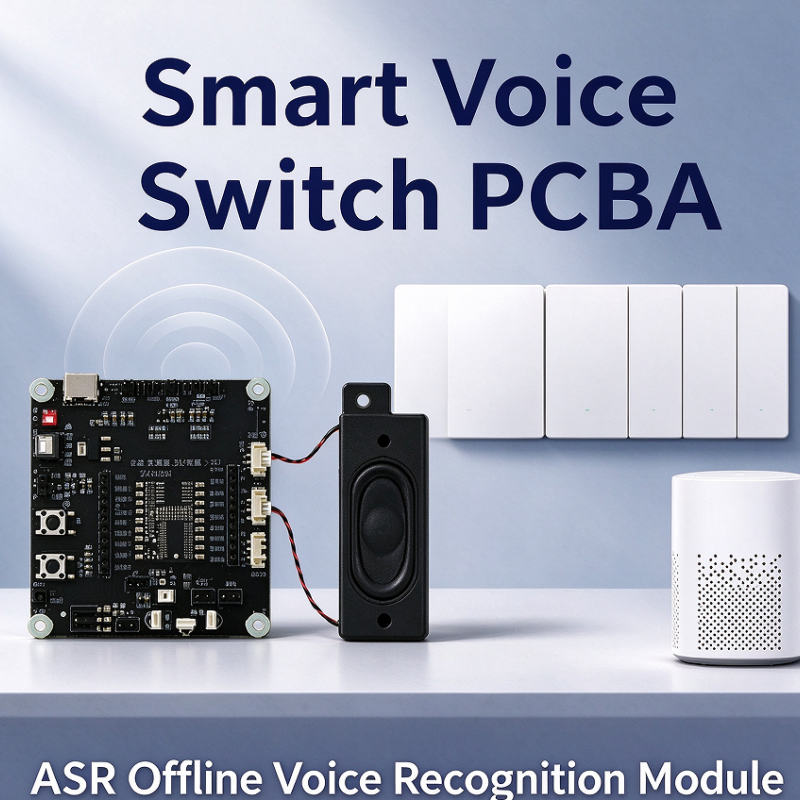
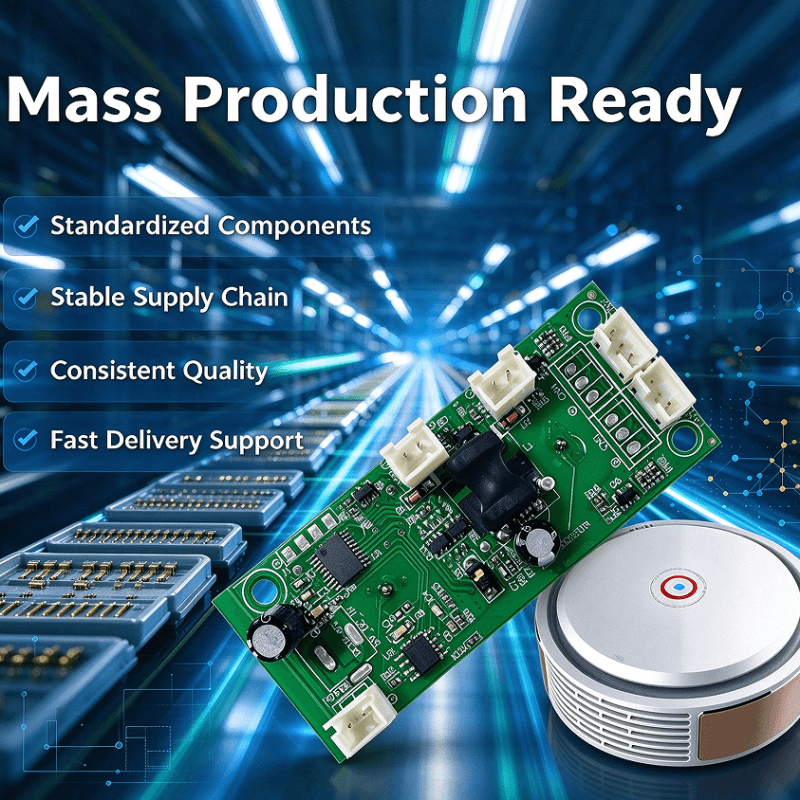
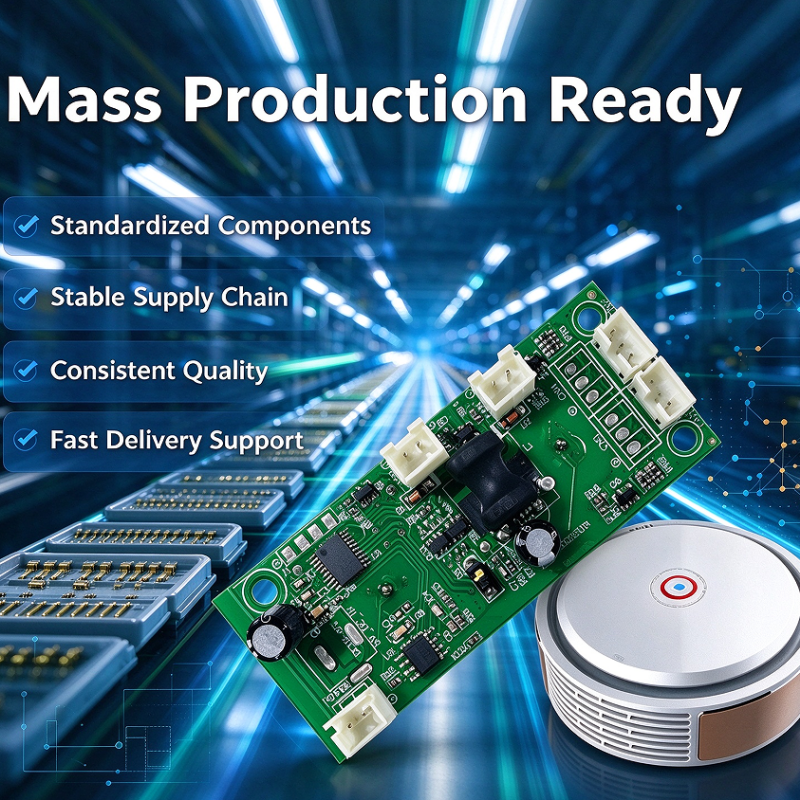
This product is best understood as a control PCBA for an air purifier system rather than a finished consumer appliance. The visible boards show a rectangular PCB with mounting holes, multiple connectors, a central controller IC, and several surface-mounted passive and active components. Some versions also appear to support PM2.5-related sensing, filter indication, and multi-speed fan control. Based on the provided imagery, the assembly is positioned as an internal control module that can connect to sensors, motors, indicators, and power lines inside a purifier chassis.
One of the displayed graphics suggests compatibility with “Mi purifier,” but that cannot be fully verified from the image alone. It should be treated as a visual cue, not a confirmed model match.
Key Capabilities and Board Features
Control and interface functions
The board is presented as an electronics control platform that may manage power input, user commands, sensor feedback, and output logic. The visible labeling and layout suggest support for air purifier operating modes such as fan speed adjustment, sleep mode, and filter-related status indication. In practical use, that means the board can serve as the decision layer between a sensor input and the purifier’s moving parts.
Visible hardware structure
The images show both blue and green solder mask variants, with white silkscreen markings and a standard FR-4-style PCB appearance. Observable elements include IC packages, resistors, capacitors, connectors, header pins, and at least one USB-like shielded connector. These are typical building blocks for embedded appliance control, where stable signal routing and compact component placement matter more than visual complexity.
Materials, Finish, and Assembly Style
The board appears to use a conventional fiberglass PCB substrate with solder mask finish. Blue and green solder mask options are shown in the supplied data, and the visible assemblies suggest a mixed process that combines surface-mount placement with through-hole connector installation. That combination is common in appliance control boards because SMT supports compact circuitry, while through-hole headers and ports provide stronger mechanical attachment for cables and external connections.
Because the exact layer count, copper thickness, coating, and electrical ratings are not provided, those details should be confirmed during inquiry or engineering review.
Manufacturing Process and Service Scope
hcdpcba provides PCB-related manufacturing and assembly services that fit this type of project: PCB prototype support, SMT processing, component sourcing, assembly, testing, DFMA review, and OEM/ODM service. For an Air Purifier PCBA, the workflow usually begins with circuit design or board adaptation, followed by component placement, soldering, inspection, and functional verification. When a customer needs a replacement board or a custom control module, the process may also include connector matching, enclosure fit checks, and signal-interface adjustment.
This is especially useful when a buyer needs a Smart Air Purifier Board with a specific connector layout or a PM2.5 Sensor PCBA integration point, but does not want to redesign the entire appliance platform from scratch.
Typical Application Scenarios
The board can be used in residential air purifiers, commercial purification units, replacement control modules, and appliance prototyping. It is also relevant for manufacturers developing filtration equipment that needs sensor-based automation, such as automatic fan response or filter-use reminders. In repair work, the board may help restore an existing purifier whose original controller has failed or become difficult to source.
Quality Control and Verification
The supplied graphic shows CE, RoHS, and ISO9001 marks, but those marks are presented in promotional material and should not be assumed to certify a specific pictured board unless documentation is provided. For any purchasing decision, it is sensible to request inspection records, assembly checks, and functional test criteria. A control board for an air purifier should be reviewed for connector integrity, solder quality, power stability, and I/O behavior under real operating conditions.
Customization Guidance for Buyers
When ordering an Air Purifier PCBA, the most important customization points are usually connector type, board shape, mounting hole position, sensor interface, fan control logic, and compatibility with the purifier enclosure. Buyers should also define whether the board is for replacement, prototype validation, or mass production. If the application needs a Smart Air Purifier Board with display interaction or a PM2.5 Sensor PCBA input path, those functions should be specified early so the assembly can be aligned with the target system architecture.
What to Confirm Before Purchase
Before placing an order, confirm the intended operating environment, required voltage range, connector map, sensor type, and firmware responsibility. It is also wise to clarify whether the board is a complete control module or only one part of the system, and whether matching cables, display panels, or sensor modules are included. For custom builds, provide mechanical drawings, sample photos, or a reference board to reduce integration risk.
Request Support from hcdpcba
hcdpcba supports SMT assembly, PCB prototyping, component sourcing, testing, and OEM/ODM manufacturing for appliance control electronics. If you need an Air Purifier PCBA tailored to your purifier platform, share your board requirements, connector layout, and control functions, and the team can help evaluate the most practical build path.
Phone: +86 18924624188