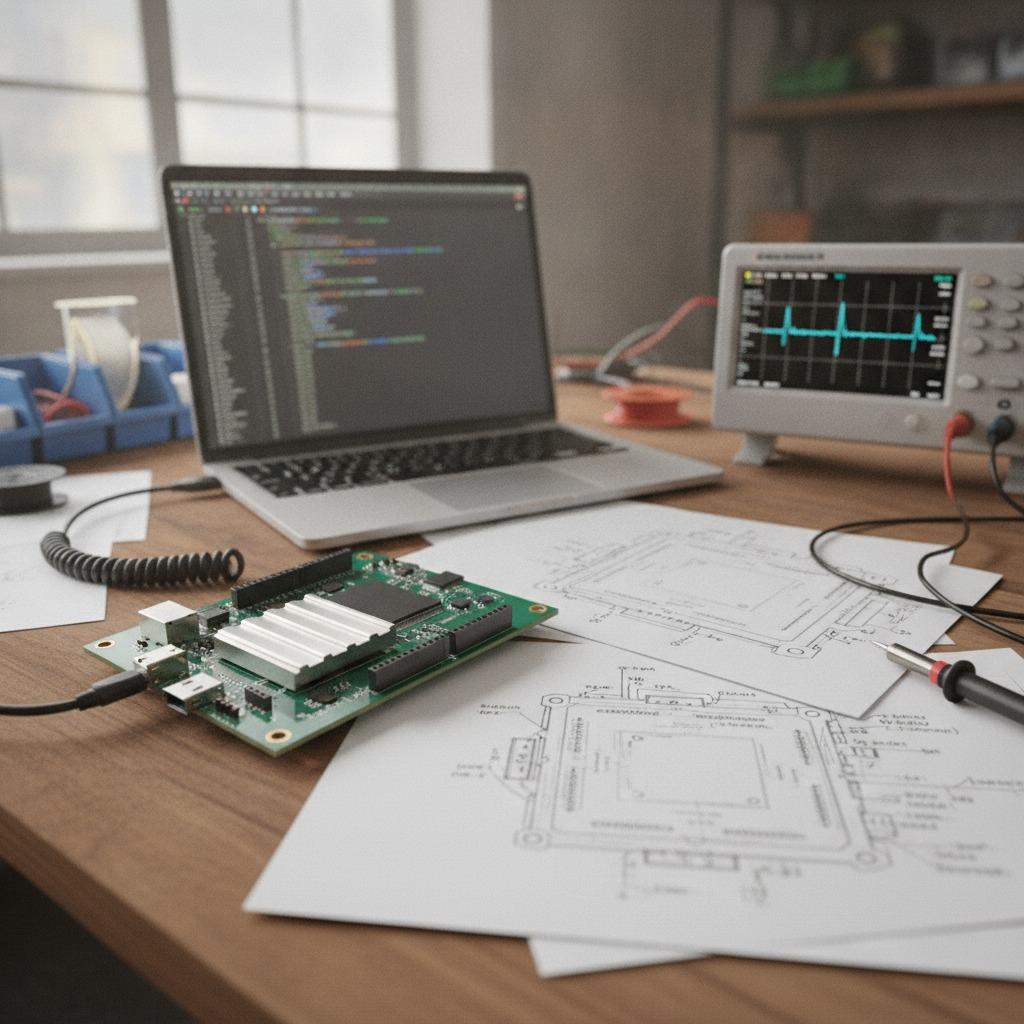
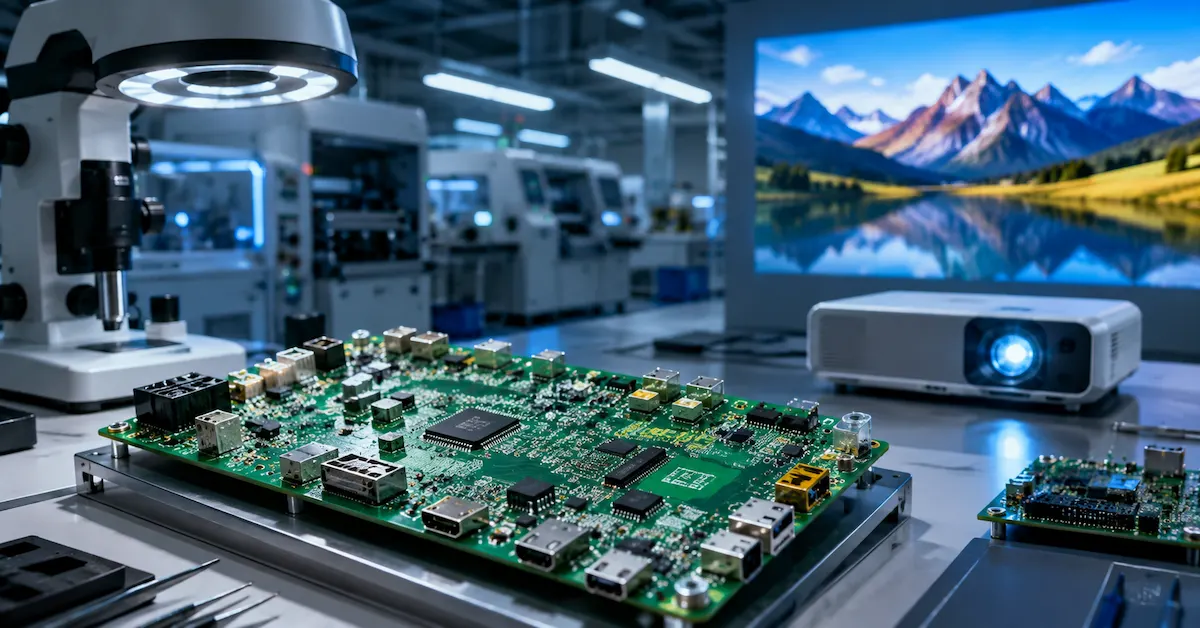
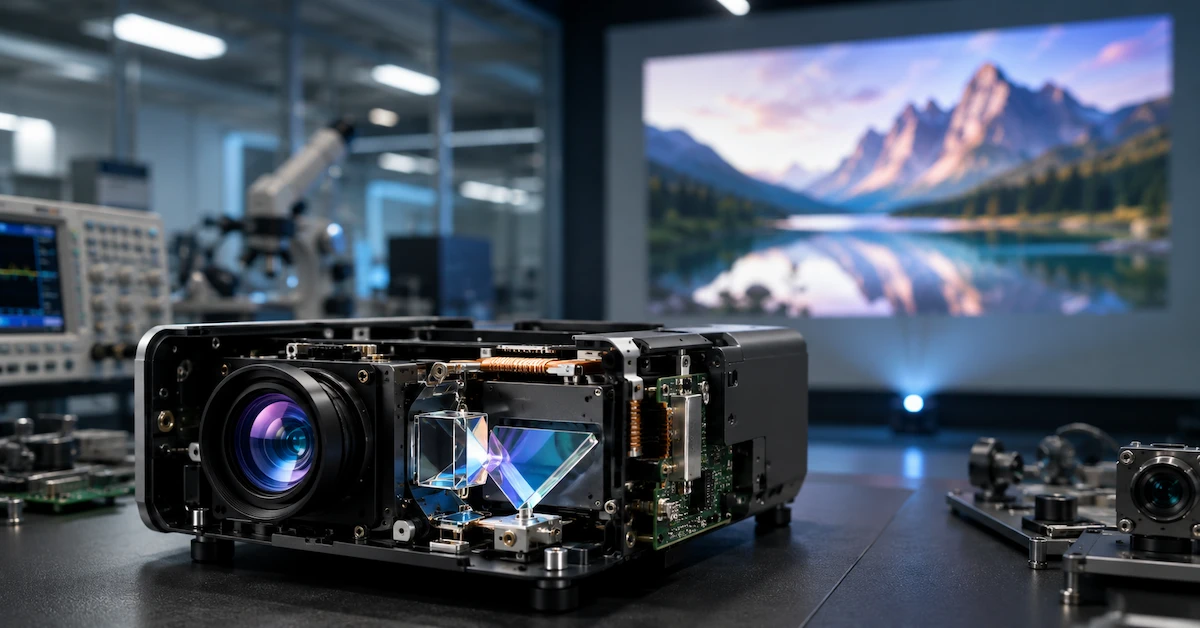
Choosing the right ISP tuning camera module service is important for buyers developing security cameras, smart locks, baby monitors, USB camera modules, industrial vision devices, smart home cameras, and IoT monitoring products. A camera module may use a good sensor and lens, but without proper ISP tuning, the final image may still look dark, noisy, overexposed, blurry, or inconsistent between batches.
ISP tuning is not only a software adjustment. It is closely related to sensor selection, lens matching, PCBA stability, power design, interface compatibility, and final product testing. For OEM buyers, the goal is to make the camera module perform well in the real application environment, not only in a short sample demo.
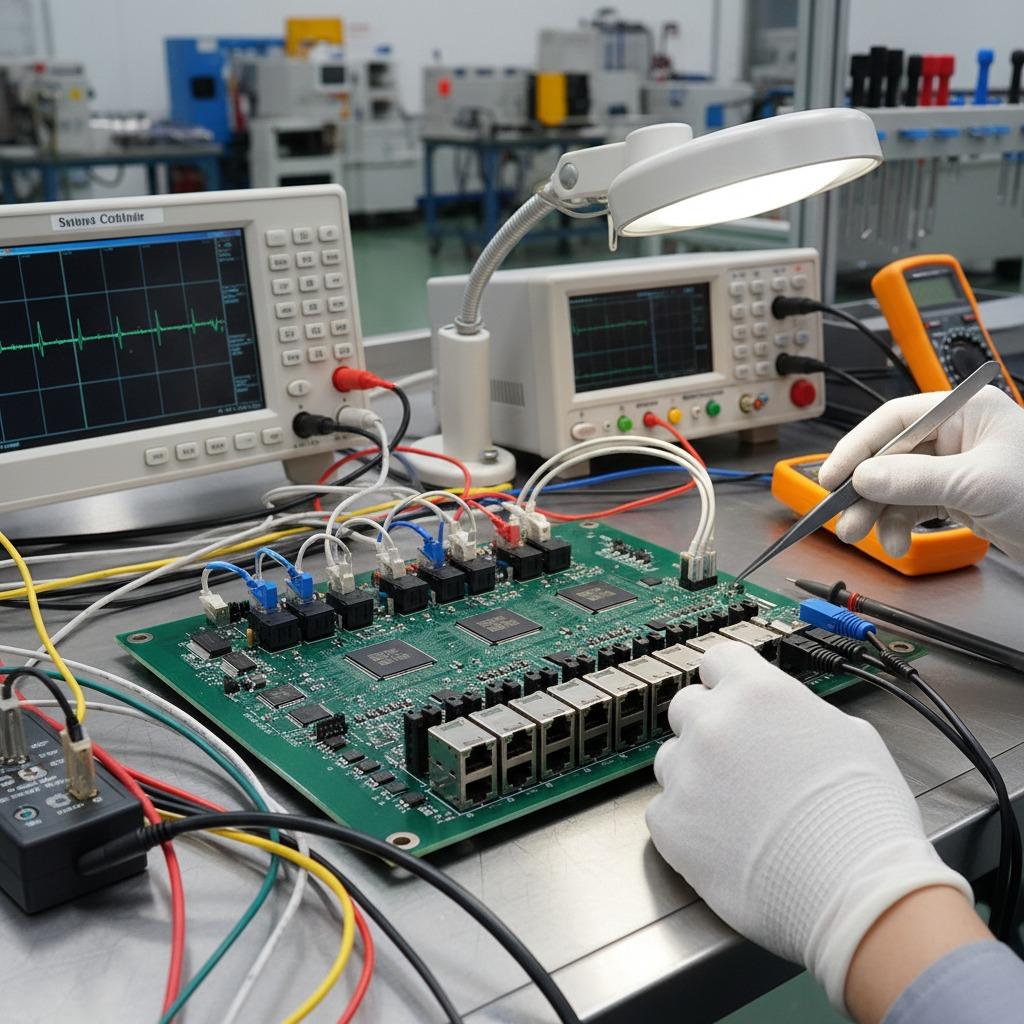
HCDPCBA supports camera-related electronic projects through one-stop electronics manufacturing services, including PCB prototyping, SMT assembly, PCBA manufacturing, component sourcing, DFMA review, testing, and OEM/ODM production.
What Is ISP Tuning for Camera Modules?
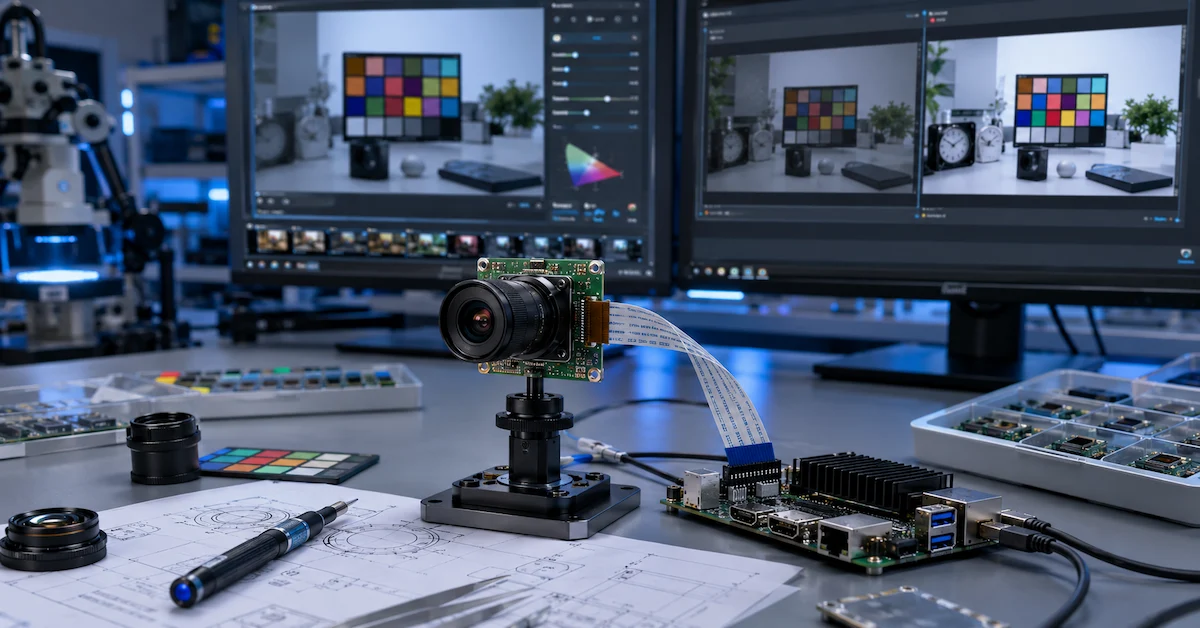
ISP means Image Signal Processor. ISP tuning is the process of adjusting how the camera module processes raw sensor data into a usable image or video output.
A camera module captures light through the lens and sensor. The ISP then helps adjust image parameters such as color, brightness, contrast, sharpness, exposure, noise reduction, white balance, dynamic range, and low-light performance.
In OEM camera module projects, ISP tuning may involve:
- Auto exposure adjustment
- Auto white balance tuning
- Color correction
- Sharpness optimization
- Noise reduction
- Low-light image improvement
- Backlight compensation
- Lens shading correction
- Gamma adjustment
- Saturation and contrast tuning
- Day/night mode switching
- IR or night vision optimization
- Motion or frame stability adjustment
For buyers, ISP tuning can make the difference between a camera module that technically works and a camera module that delivers a professional user experience.
Why ISP Tuning Matters for OEM Camera Module Projects
Many buyers compare camera modules by resolution, sensor model, or price. However, image quality is not determined by resolution alone. A 2MP camera module with good ISP tuning may look better in real use than a higher-resolution module with poor tuning.
Poor ISP tuning can cause:
- Overexposed faces
- Dark indoor images
- Strong image noise at night
- Wrong color tone
- Blurry edge detail
- Unstable brightness changes
- Poor backlight handling
- Weak night vision
- Inconsistent image quality across batches
- Poor recognition accuracy in smart devices
For security cameras, baby monitors, smart locks, and industrial vision systems, these issues can directly affect user satisfaction and product reliability.
Main Applications That Need ISP Tuning
Different camera applications require different tuning priorities.
| Application | ISP Tuning Priority | Typical Buyer |
|---|---|---|
| Outdoor surveillance cameras | Night vision, backlight control, motion clarity | Security camera brands |
| Baby monitors | Soft low-light image, safe indoor viewing, stable color | Smart nursery brands |
| Smart locks | Face clarity, backlight control, fast exposure | Smart lock manufacturers |
| Industrial vision | Sharp detail, stable brightness, low distortion impact | Automation equipment suppliers |
| USB camera modules | Plug-and-play image quality, color balance, frame stability | Embedded device developers |
| Doorbell cameras | Wide dynamic range, face visibility, night mode | Smart home brands |
| AI vision devices | Clean image input, stable recognition conditions | AI hardware companies |
| Medical or lab devices | Clear detail, controlled color, consistent imaging | Device developers |
HCDPCBA’s Camera Series covers camera-related product directions, while its PCBA manufacturing category supports customized electronic board production for camera modules and smart electronics.
What Buyers Should Check Before Choosing an ISP Tuning Camera Module Service
1. Real Application Environment
ISP tuning should be based on where the camera module will actually be used. A module tuned only under bright office lighting may fail in outdoor, night, or backlit environments.
Buyers should define:
- Indoor or outdoor use
- Day and night operation
- Low-light requirement
- Backlight condition
- Viewing distance
- Face or object recognition need
- Fixed camera or moving camera
- Continuous operation time
- Lighting source type
- Final housing structure
For example, a baby monitor needs soft and stable low-light image quality, while an outdoor surveillance camera needs stronger night vision and backlight handling.
2. Sensor and Lens Matching
ISP tuning cannot fully fix a poor sensor and lens combination. The sensor, lens, and ISP must be evaluated together.
Buyers should confirm:
- Sensor resolution
- Sensor size
- Low-light sensitivity
- Frame rate
- Lens angle
- Focus distance
- Aperture
- Lens distortion
- IR compatibility
- Filter requirements
If the lens has strong distortion or weak edge clarity, ISP tuning may improve the image but cannot completely replace proper optical matching.
3. Camera PCBA Stability
Camera image quality is also affected by the PCBA. Power noise, unstable signal routing, poor connector contact, or EMI issues can affect video output and image stability.
A reliable camera module project should check:
- Camera PCBA layout
- Sensor interface matching
- USB, MIPI, DVP, or custom signal routing
- Power supply stability
- EMI control
- FPC connector placement
- Heat control
- Testing point design
- SMT assembly quality
HCDPCBA supports PCB prototyping, SMT assembly, PCBA manufacturing, component sourcing, testing, and OEM/ODM production, which helps buyers connect ISP tuning requirements with stable electronics manufacturing.
4. Low-Light and Night Vision Tuning
Many camera modules are used in low-light or night environments. This is where ISP tuning becomes especially important.
Buyers should check:
- Low-light image noise
- IR night vision clarity
- Day/night switching
- Exposure control
- Black-and-white night mode quality
- Face visibility in dim light
- Image brightness stability
- Heat behavior during night mode
For baby monitors, smart locks, and security cameras, night image quality is often one of the most important user experience factors.
5. Color and White Balance Performance
Incorrect white balance can make images look too blue, yellow, red, or green. For consumer products, this can make the device feel low quality. For industrial or medical products, color accuracy may affect interpretation and recognition.
Buyers should confirm tuning under different lighting sources, such as:
- Natural daylight
- Warm indoor light
- Cool white LED light
- Low-light room
- Backlit entrance
- Mixed lighting environment
- IR night mode
Good ISP tuning should make image color stable and natural under the target environment.
6. Testing and Golden Sample Approval
ISP tuning should be validated before batch production. Buyers should request sample testing and golden sample approval.
Testing should include:
- Image clarity test
- Color test
- Exposure test
- Low-light test
- Night vision test
- Interface stability test
- Power and heat test
- Functional test in final device
- Batch consistency review
A golden sample helps lock the accepted image standard before mass production.
ISP Tuning Camera Module Specification Checklist
Before requesting a quotation, buyers should prepare clear project requirements.
| Item | What to Confirm |
| Application | Security camera, smart lock, baby monitor, industrial vision, USB camera |
| Sensor | Resolution, sensor size, frame rate, low-light performance |
| Lens | Viewing angle, focus distance, aperture, distortion requirement |
| Interface | USB, MIPI, DVP, FPC, board-to-board, custom connector |
| ISP target | Color, exposure, sharpness, noise reduction, night vision |
| Environment | Indoor, outdoor, low light, backlight, controlled lighting |
| PCBA | Board size, power design, connector position, heat control |
| Testing | Image test, low-light test, interface test, PCBA inspection |
| OEM needs | Logo, packaging, private label, custom board |
| Quantity | Prototype, pilot run, batch production |
| Files | Gerber, BOM, drawings, samples, product photos |
The clearer the requirements, the easier it is for the supplier to evaluate image performance, hardware compatibility, and production risk.
ISP Tuning Priorities by Product Type
Different products need different tuning strategies.
| Product Type | Main Tuning Focus | Common Risk |
| Baby monitor | Soft low-light image, stable color, low noise | Harsh night image or overheating |
| Smart lock | Face clarity, backlight control, fast exposure | Poor face capture at entrance |
| Outdoor security camera | Night vision, motion clarity, wide dynamic range | Overexposure or weak IR image |
| Industrial vision | Detail sharpness, stable brightness, low noise | Inconsistent recognition |
| USB camera module | Plug-and-play image quality, frame stability | Color shift or frame drop |
| Doorbell camera | Wide angle, face visibility, backlight handling | Dark faces against bright background |
This is why buyers should not use one standard tuning plan for every camera module project.
OEM vs ODM ISP Tuning Camera Module Projects
Buyers should choose the right cooperation model based on project maturity.
| Project Type | Meaning | Best For |
| Standard camera module | Use an existing module with default tuning | Fast testing or simple products |
| OEM ISP tuning service | Tune image based on buyer’s product requirements | Branded camera device projects |
| ODM camera module development | Supplier supports module design and tuning | Buyers needing a complete solution |
| Camera PCBA manufacturing | Build the electronic board inside the module | Hardware developers |
| Turnkey electronics manufacturing | PCB, SMT, BOM sourcing, assembly, testing, and delivery | Buyers needing supply chain control |
For buyers with specific image requirements, OEM ISP tuning is usually more valuable than selecting an off-the-shelf module.
Common Mistakes Buyers Should Avoid
Choosing only by sensor model
A good sensor does not guarantee good final image quality. Lens matching, ISP tuning, PCBA stability, and testing are equally important.
Testing only in one lighting condition
Camera modules should be tested under real use conditions, including low light, backlight, indoor lighting, and night mode if required.
Ignoring PCBA influence
Power noise, heat, EMI, or weak connectors can affect image stability even when the ISP tuning is good.
Not defining image quality standards
If the buyer does not define acceptable color, brightness, night vision, and clarity standards, production approval becomes subjective.
Skipping golden sample approval
A golden sample helps prevent image differences between sample approval and mass production.
Not considering long-term component supply
Changing sensors, lenses, or key ICs may require retuning. Buyers should confirm component availability before production.
How HCDPCBA Supports ISP Tuning Camera Module Projects
HCDPCBA can support buyers from prototype to production by combining camera module electronics manufacturing with testing and OEM/ODM support.
PCB prototyping
Prototype production helps verify PCBA layout, sensor connection, interface compatibility, and image output before mass production.
SMT assembly
SMT assembly supports compact camera PCBA production with controlled soldering and component placement.
Component sourcing
HCDPCBA can help buyers manage BOM sourcing for sensors, ICs, connectors, FPCs, power components, and other camera module parts.
DFMA review
DFMA review helps identify design risks before production, such as difficult assembly, weak connector placement, insufficient testing access, or unnecessary cost.
Testing support
Testing can include PCBA inspection, power-on testing, image function testing, interface testing, low-light testing, and final functional verification.
OEM/ODM manufacturing
HCDPCBA can support customized camera module electronics, board-level changes, private label needs, and long-term manufacturing cooperation.
Buyers can learn more about HCDPCBA’s company capabilities through the About Us page.
Quality Control Points for ISP Tuned Camera Modules
A reliable camera module project should check both image performance and electronic stability.
| QC Point | Purpose |
| BOM review | Confirm sensor, lens, connector, and component accuracy |
| Incoming inspection | Check PCBs, sensors, lenses, FPCs, ICs, and connectors |
| SMT inspection | Verify placement, soldering, and missing parts |
| AOI inspection | Detect visible PCBA defects |
| Image output test | Check clarity, color, exposure, frame rate, and noise |
| Low-light test | Verify night or dim environment performance |
| Interface test | Confirm USB, MIPI, DVP, or custom signal stability |
| Power test | Verify voltage, current, and heat behavior |
| Connector test | Confirm FPC or board-to-board reliability |
| Golden sample approval | Lock image standard before batch production |
For ISP tuned modules, image quality testing should be part of the production approval process.
What Information Should Buyers Provide for a Fast Quote?
To receive a faster and more accurate quotation, buyers should prepare:
- Product application
- Target resolution
- Sensor preference
- Lens angle and focus distance
- Interface type
- PCBA size requirement
- Power requirements
- Low-light or night vision requirement
- Desired image style
- Testing requirements
- Quantity estimate
- Existing sample or reference image
- Gerber files or BOM if available
- OEM/ODM customization needs
If buyers already have a reference image standard, they should share it during the early communication stage.
Why Work with HCDPCBA?
HCDPCBA is suitable for buyers who need more than a basic camera module supplier. For ISP tuning camera module projects, buyers often need coordination between sensor selection, lens matching, PCBA manufacturing, SMT assembly, testing, and OEM/ODM production.
By working with HCDPCBA, buyers can reduce supplier coordination, improve development speed, and control production risk.
For brands developing security cameras, baby monitors, smart locks, industrial vision devices, USB camera modules, IoT products, or embedded vision hardware, HCDPCBA can support camera-related electronics from prototype to production.
FAQ
1. What is ISP tuning camera module service?
ISP tuning camera module service adjusts image processing parameters such as exposure, white balance, color, sharpness, noise reduction, and low-light performance for camera modules.
2. Why is ISP tuning important?
ISP tuning improves real image quality and helps the camera module perform better in target environments such as low light, backlight, outdoor scenes, or indoor monitoring.
3. Can ISP tuning fix all image problems?
No. ISP tuning can improve image performance, but sensor selection, lens matching, PCBA design, power stability, and testing also affect final quality.
4. Which products need ISP tuning?
Security cameras, baby monitors, smart locks, USB camera modules, industrial vision devices, AI cameras, doorbell cameras, and IoT monitoring products may all need ISP tuning.
5. What should I provide for an ISP tuning project?
You should provide application, sensor requirement, lens angle, interface, target image style, lighting environment, PCBA requirements, testing needs, and quantity.
6. Can HCDPCBA support camera module PCBA production?
Yes. HCDPCBA supports PCB prototyping, SMT assembly, PCBA manufacturing, component sourcing, testing, and OEM/ODM production for camera-related electronic projects.
7. Is sample testing necessary before mass production?
Yes. Samples should be tested in the final device environment to confirm image quality, low-light performance, power behavior, and interface stability.
8. Does changing the sensor require retuning?
Usually yes. If the sensor, lens, or key image processing hardware changes, ISP parameters may need to be adjusted again.
Conclusion
Choosing an ISP tuning camera module service requires more than adjusting image parameters. Buyers need to evaluate sensor selection, lens matching, camera PCBA design, SMT assembly quality, interface stability, low-light testing, and OEM/ODM support.
For security camera brands, baby monitor companies, smart lock manufacturers, industrial vision equipment suppliers, USB camera module buyers, and IoT hardware developers, good ISP tuning can improve image quality, reduce user complaints, and increase product competitiveness.
HCDPCBA supports ISP tuning camera module projects through PCB prototyping, SMT assembly, PCBA manufacturing, component sourcing, testing, and OEM/ODM electronics manufacturing. If you are developing a custom camera module or camera PCBA project, you can explore HCDPCBA’s Camera Series or PCBA manufacturing services to plan your next OEM project.