What a 12-24V vehicle reverse voice prompt PCBA is meant to solve
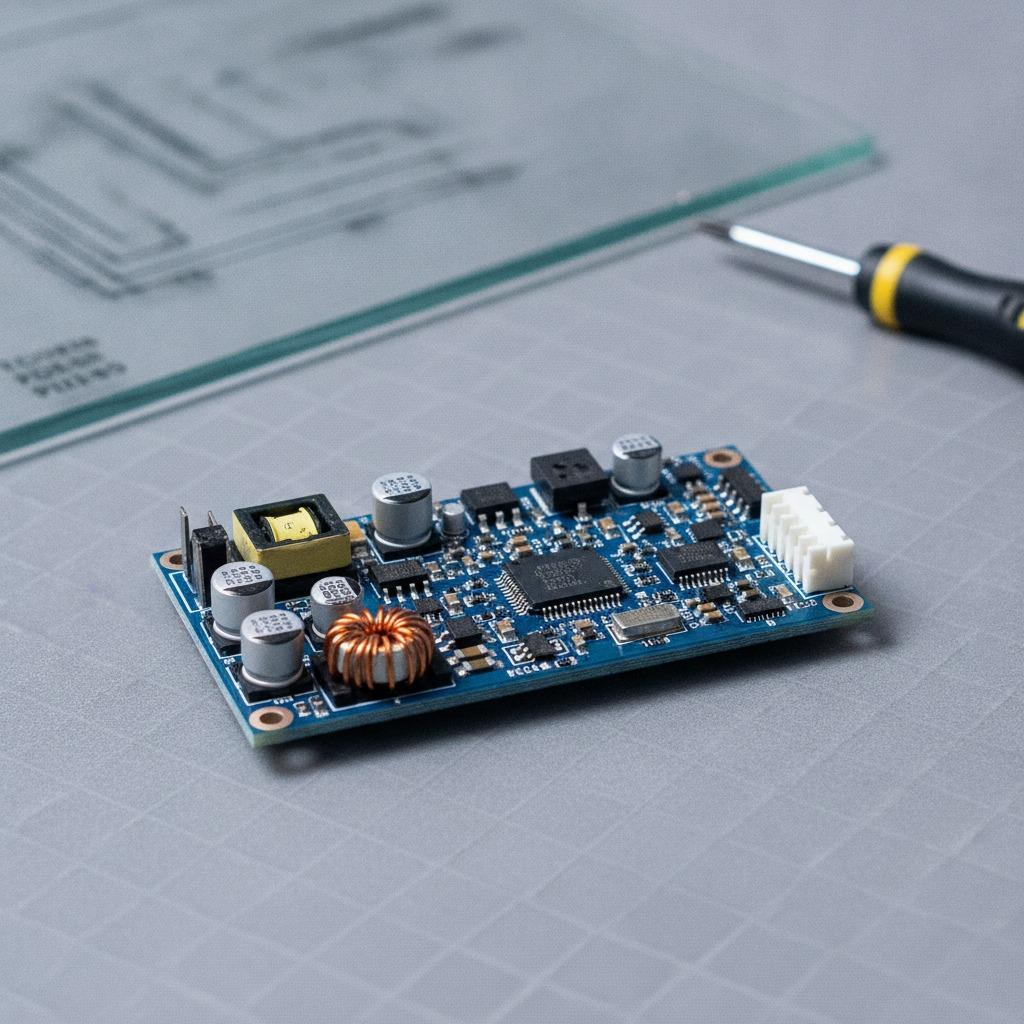
A 12-24V vehicle reverse voice prompt PCBA is one of those small assemblies that can prevent a very expensive mistake. In plain terms, it is the electronics behind a reverse warning voice prompt used in vehicles that run on 12V or 24V electrical systems. The board receives power from the vehicle, drives the alert logic, and triggers an audible reverse message or warning when the system is engaged. For fleet managers, vehicle OEMs, retrofit teams, and product engineers, the real question is not whether the alert is useful. It is how to build it so it is reliable, audible in the right environment, and practical to manufacture at scale.
That matters because reverse alerts are not just a comfort feature. They are part of the wider safety picture in work vehicles, service trucks, utility vehicles, buses, forklifts, and other equipment where visibility behind the vehicle can be limited. A weak speaker, unstable power design, or poorly assembled board can turn a simple warning system into a maintenance issue.
Quick reference: what buyers usually compare
When teams evaluate an Automotive Voice Alarm Module or similar reverse warning board, they usually compare a few things first: power range, noise tolerance, packaging, assembly quality, and whether the design fits OEM or ODM requirements. For a 12-24V vehicle reverse voice prompt PCBA, the broader voltage compatibility is important because it covers both common light-vehicle and commercial-vehicle platforms.
They also look at whether the board is designed as a simple alarm circuit or as part of a more customized assembly. Some buyers need a straightforward Automotive back-up voice alarm PCB assembly board. Others want an OEM ODM reverse voice PCBA circuit board customization project that can match a specific enclosure, message, connector layout, or installation method.
Why the board design matters more than people expect
A reverse voice board sits in a harsh environment. It may face vibration, temperature swings, electrical noise, dust, and intermittent loads. None of those conditions are exotic in vehicle electronics, but all of them expose weak manufacturing choices.
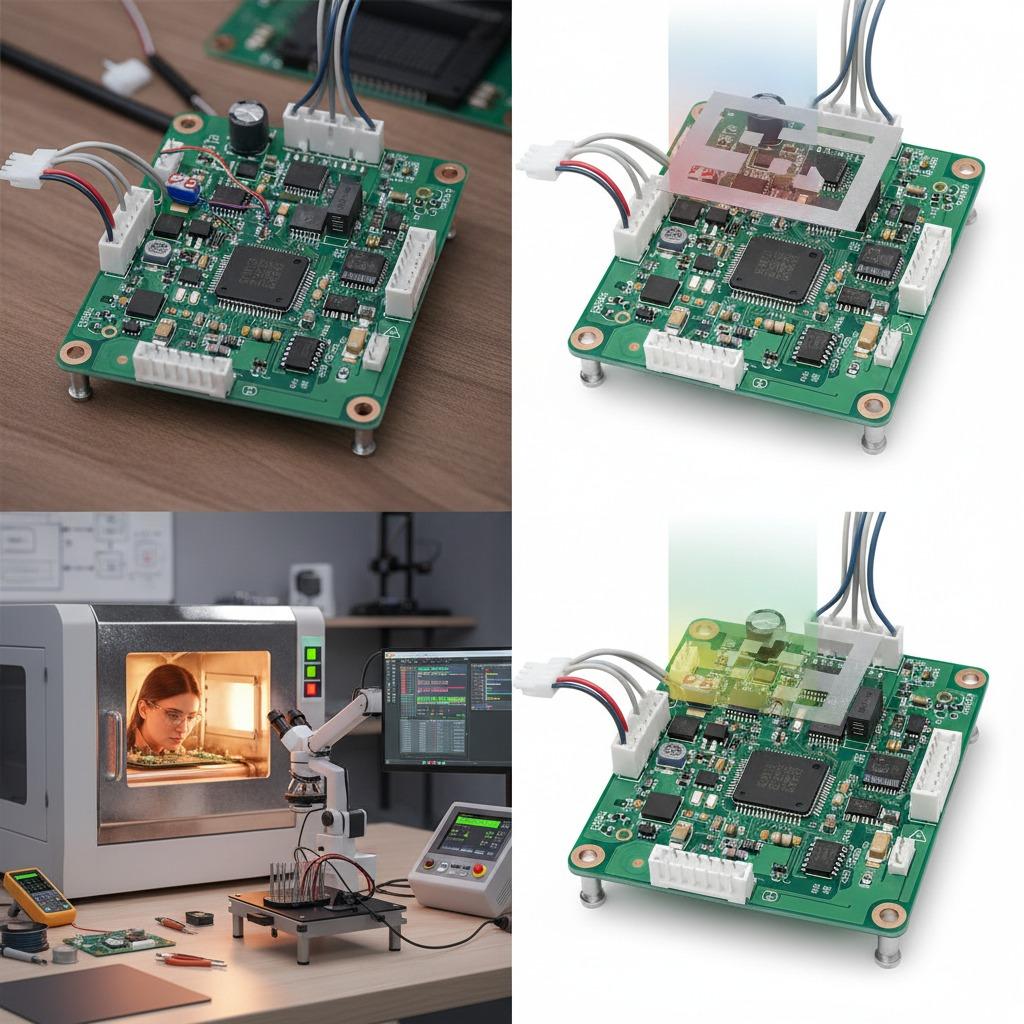
The PCB itself is only part of the story. SMT placement quality, solder reliability, component sourcing, and functional testing all affect whether the finished unit survives real use. That is why many buyers now treat Automotive Electronics PCBA as a manufacturing discipline rather than a simple board-assembly task. A low-cost board that fails after installation is usually far more expensive than a properly built one.
Common architecture and build considerations
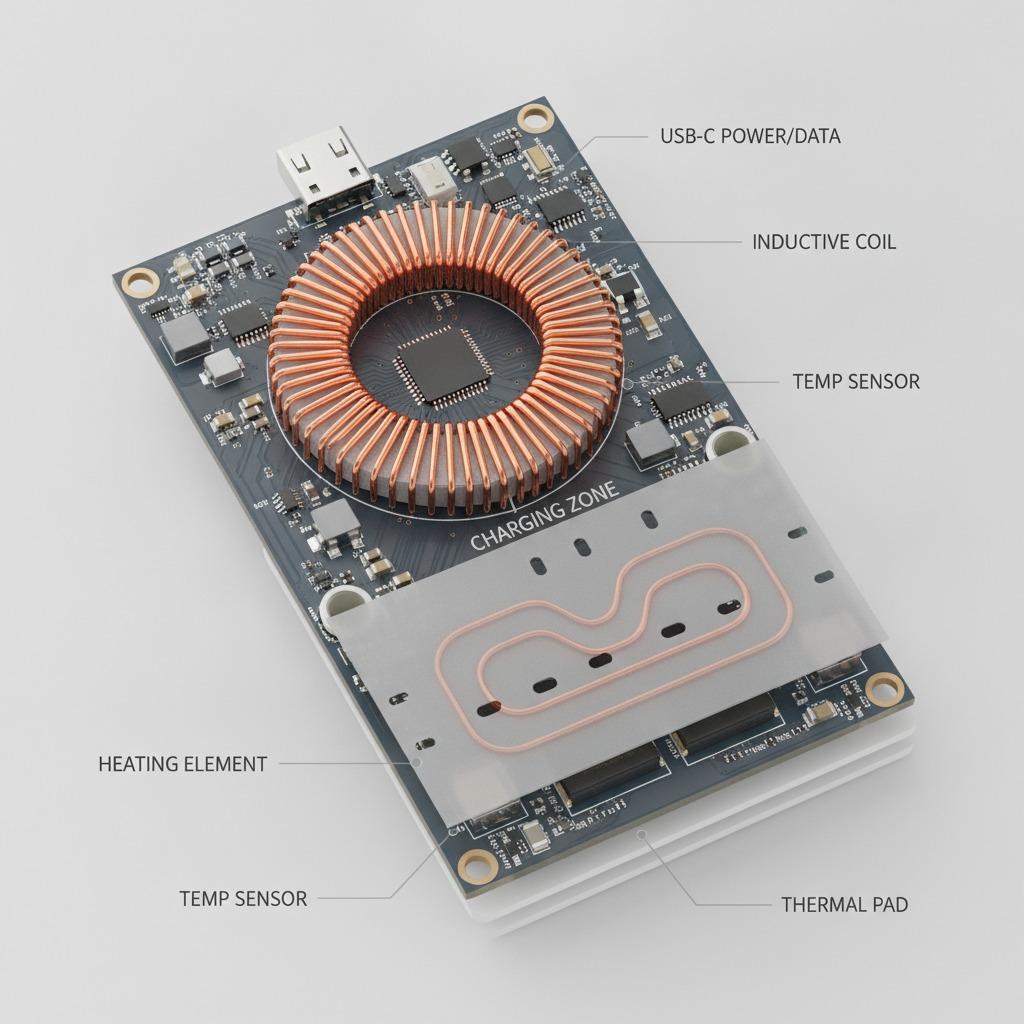
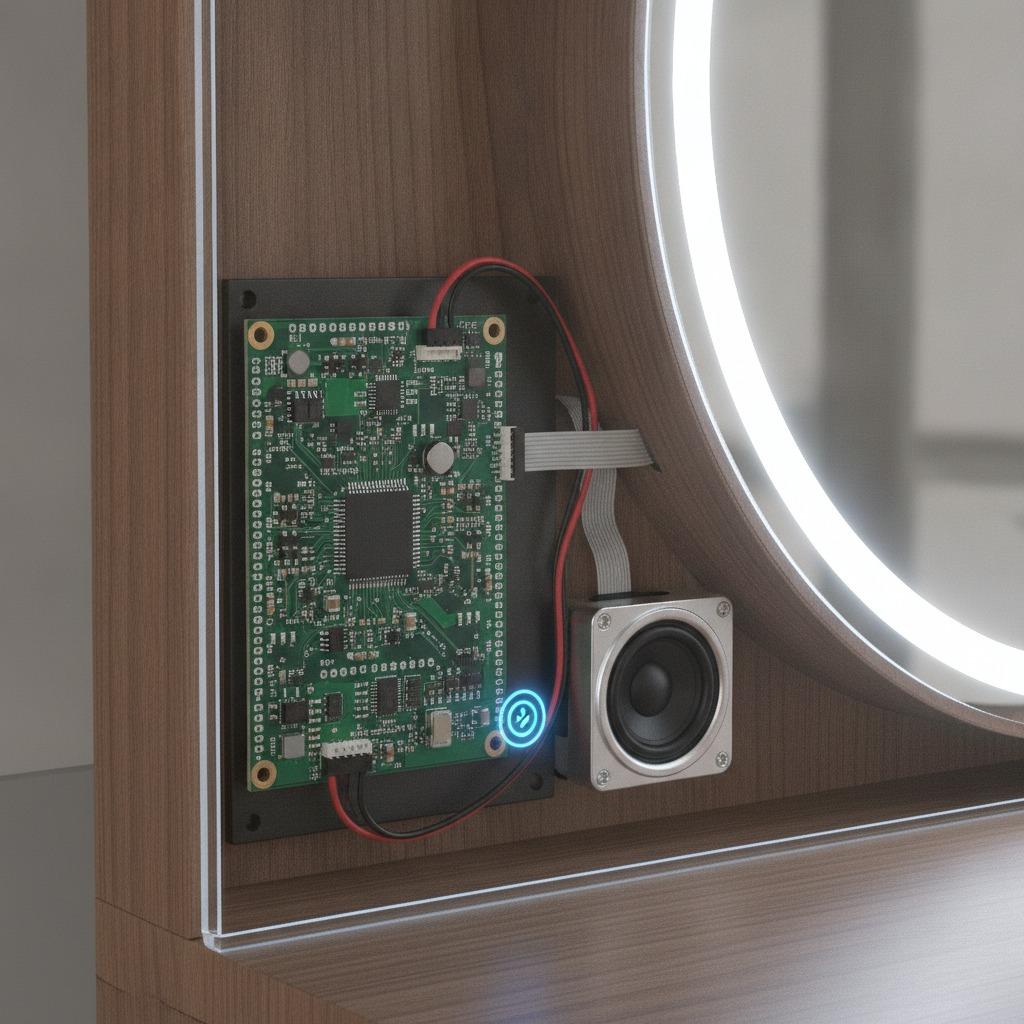
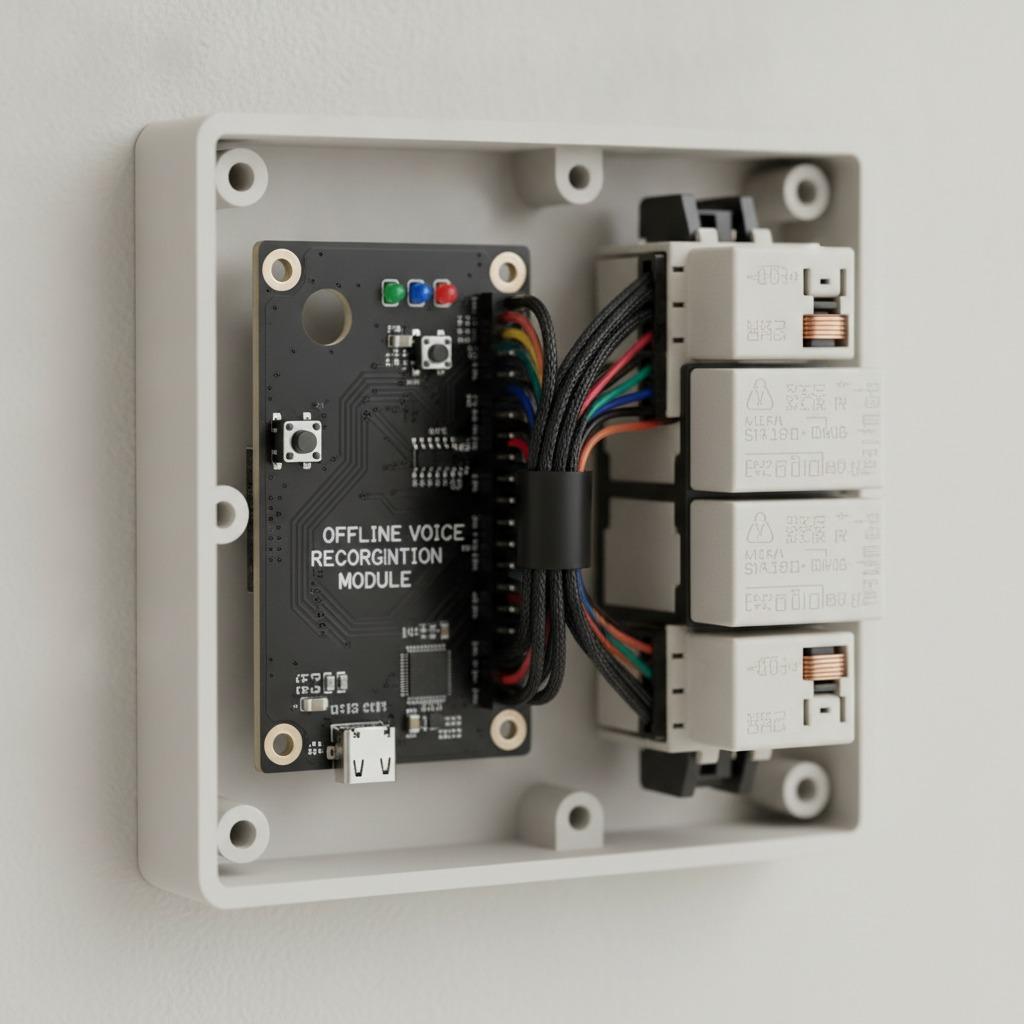
A reverse voice prompt PCBA typically includes power conditioning, control circuitry, an audio section, and connector interfaces. Depending on the design, it may also include protection against reverse polarity, transient spikes, or other vehicle-side electrical disturbances. The exact circuit will vary by project, but buyers should ask how the board is protected and how it behaves across the intended voltage range.
12V and 24V system compatibility
This is one of the first specification checks. A board advertised for 12-24V use should be designed to handle both system types without unstable audio output or premature component stress. If the design is only marginally compliant, it may work on the bench and misbehave in the vehicle.
Assembly and sourcing discipline
hcdpcba offers SMT贴片, PCBA board production, component procurement, assembly, testing, and DFMA support. That combination is useful for vehicle electronics projects because it lets the manufacturer look at the board as a production system, not just a schematic. For OEM and ODM buyers, that can reduce back-and-forth between design intent and manufacturability.
What to ask before you release the design
A few questions save time later. Can the supplier support multi-layer boards if the layout needs tighter routing? Is the assembly suitable for small pilot runs as well as larger volumes? Will the supplier provide testing and feedback if the first build shows issues? Are they able to support customization without forcing a complete redesign?
For vehicle warning products, a practical buyer should also ask about acoustic performance in the target environment. A voice prompt that sounds clear in a quiet workshop may become hard to hear in a noisy yard. That is not a board defect, exactly, but it is a system-level problem that belongs in the early discussion.
Typical mistakes in reverse voice board projects
One common mistake is treating the audio warning as an afterthought. Another is choosing components purely on price and then discovering that the assembly is fragile under vibration. A third mistake is skipping manufacturability reviews. DFMA matters here because a design that is difficult to assemble cleanly can create avoidable defects, especially in repeat production.
Buyers also sometimes forget the full product context. A reverse voice board may be a small item in the bill of materials, but it still has to fit the vehicle system, the housing, the wiring harness, and the service process. If replacement in the field is awkward, the maintenance cost rises quickly.
Where customization usually makes sense
Customization is most useful when the alert wording, connector layout, board dimensions, or mounting arrangement must match a particular vehicle line or equipment platform. In those cases, OEM ODM reverse voice PCBA circuit board customization can be the difference between a workable product and a messy retrofit.
hcdpcba’s service model also fits teams that want a single partner for PCB prototyping, SMT, assembly, testing, and confidential development support. That can be especially valuable for product teams balancing speed, cost, and IP protection.
Buyer guidance for moving from concept to production
If you are sourcing a 12-24V vehicle reverse voice prompt PCBA, start with the operating environment, then define the audio behavior, then lock down the mechanical constraints. After that, review the assembly process and test strategy. It is easy to focus only on the sound file or warning phrase, but the board must still survive vehicle power conditions and production realities.
A good supplier should help you narrow the design, not just build what is drawn on paper. If you are still shaping the product, ask for a prototype path that includes manufacturing feedback early. That tends to expose problems while they are still cheap to fix.
Next step for sourcing teams and engineers
If your project involves vehicle electronics, commercial equipment, or a custom reverse warning module, the safest move is to align electrical requirements, assembly method, and field environment before volume production. hcdpcba supports SMT, PCBA, component sourcing, assembly, testing, DFMA, OEM, and ODM services, which makes it a relevant starting point for teams evaluating a reverse voice alarm build.
For project discussion or technical coordination, contact hcdpcba at +86 18924624188.